Travel tips
Slow Thames: An Unhurried Thames-side Route Linking South Bank Galleries, Bankside Calm and Greenwich Hill Views
Follow London’s Thames as it connects the South Bank’s creative energy, Bankside’s walkable culture, and Greenwich’s serene parkland. Plan a day that avoids travel rush and overfilling by using official walking maps, river transfers, and smart pacing advice for a relaxed, focused experience.
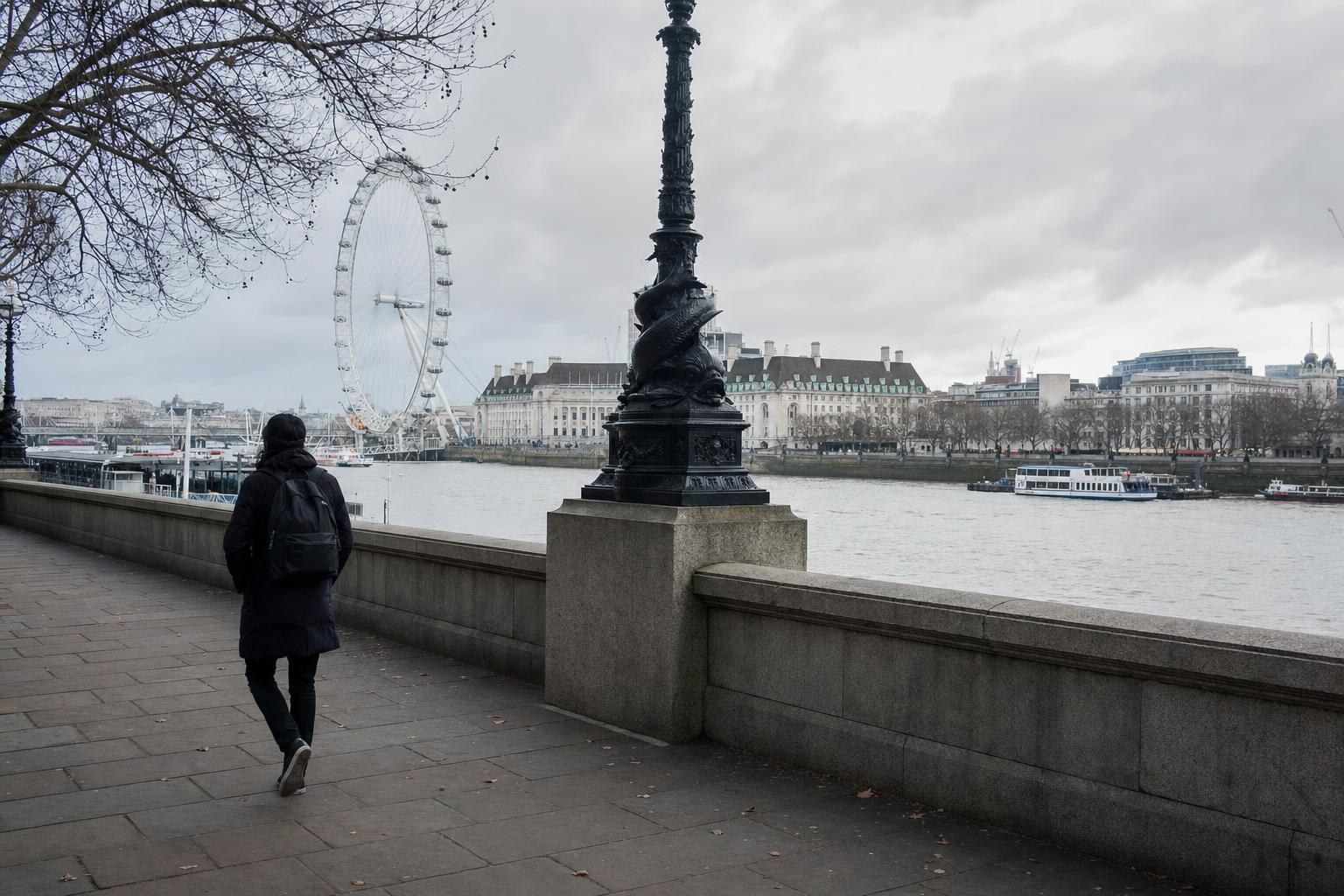
AI illustration · Wardhead AI · AI-generated illustration
Planning a visit to the Thames riverside in London, United Kingdom offers a chance to experience world-class culture, sweeping park views, and memorable encounters with city history — all without the pressure to rush. A deliberately slow Thames-side route connects the South Bank, Bankside, and Greenwich, using walking paths and smart transit tips to help travellers enjoy fewer, deeper experiences instead of overfilled days and stressful transfers.
Why Choose a Slow Thames-side Itinerary?
London’s Thames corridor is uniquely suited to unhurried exploration. Official walking maps and river services show that key areas—South Bank, Bankside, and Greenwich—are directly linked by maintained riverside paths, frequent boats, and gentle rail connections. By grouping visits within these natural clusters and relying on a single relaxed transfer rather than multiple Underground changes, you swap the stress of crammed itineraries for a more enjoyable, in-depth experience.
South Bank: Walkable Cultural Cluster
Start your journey at the South Bank, a creative hub stretching from Waterloo to Blackfriars. TfL officially recommends a dedicated South Bank walking route, making it simple to stay on pedestrian-friendly paths and set your own pace. Landmarks such as Royal Festival Hall and the Hayward Gallery sit within minutes of each other, connected by tree-lined promenades and riverfront seating areas.
Rather than aiming to fit every nearby sight in, use walking maps from Transport for London to estimate walking times and select just one or two key stops to linger in. This could mean enjoying the dynamic Royal Festival Hall for music or exhibitions, then relaxing on the riverside or exploring the nearby National Theatre, all within an easy stroll. Limiting your focus helps you resist the urge to overpack your schedule.
Bankside: Quiet Creativity Beside the Water
Continue to Bankside by following the Thames path east. This area, centered around Shakespeare’s Globe and Tate Modern, forms a compact, well-mapped cluster of cultural attractions. Both sites are recommended in official tourist material for their proximity and walkability—crossing from one to the other can take less than ten minutes on foot, giving you license to spend longer in galleries or pause by the riverside gardens.
TfL and VisitBritain walking guides emphasize that Bankside rewards a focused pace. Instead of jumping between multiple major museums and venues, sink into Bankside’s atmosphere: tour the reconstructed Globe Theatre, pause at riverside cafes, or enjoy the modern art at Tate Modern, ideally selecting just one institution for an immersive, relaxed visit. The route is consistently walkable, encouraging short, meaningful stops paired with riverside reflection.
River or Rail: The Value of One Planned, Relaxed Transfer
Moving onward to Greenwich, official advice supports using a single, planned river service or Overground/DLR transfer. TfL’s river and walking maps show that direct riverboats connect Blackfriars, Bankside, and Greenwich with no need for stressful Underground interchanges, a strategy that minimizes surprises and busy platform manoeuvres.
For visitors arriving by mainline train, National Rail notes that choosing a terminal close to the Thames route (e.g., Waterloo or London Bridge) can help you start your journey straight onto riverside paths, sidestepping the need for cross-city Underground rides. Live train boards and station guides from National Rail let you check for quieter arrival stations and plan accordingly, reducing transfer congestion.
Greenwich: End at London’s Maritime Green
Greenwich marks a fittingly tranquil conclusion to an unhurried Thames walk. Known for its maritime heritage and open green spaces, it’s highlighted in official TfL guides as a clear, relax-and-linger endpoint. Climb the hill in Greenwich Park for panoramic city views, or stroll through the riverside market and Royal Naval College area.
Walking maps from TfL show simple connections between the Greenwich boat pier, station, and park, meaning you can end your day with a final short walk up to the observatory or through the leafy grounds. By planning Greenwich as your terminus—and not forcing a packed museum or sights itinerary—you give yourself time to appreciate one of London’s greatest vantage points in full.
Practical Planning Tips to Keep Your Day Unrushed
- Use TfL’s official walking and river maps to plan direct, riverside routes and estimate walking times between clusters. This helps set realistic expectations.
- Consult National Rail’s arrival station guides to select a terminal close to your starting point. Arriving at Waterloo or London Bridge simplifies onward movement without the need for cross-town transfers.
- Adopt the ‘one transfer’ rule: plan to use only one boat or rail transfer in your day. This reduces rushed transitions and lets you maximize time on foot or at your chosen site.
- Allow for deep visits: limit your day to one main visit in each cluster, such as a focused gallery or theatre tour, instead of cycling quickly through every sight.
- Use live travel info. National Rail’s real-time departure/arrival boards and TfL’s live updates help you adjust plans, skip crowded connections, or take a slower, less-busy route as needed. Some alerts may require UK mobile activation.
- Don’t overfill. Official tourist guides note that London’s best experiences often come from spending more time in fewer places, rather than ticking off a rapid list.
Some Aspects Not Universally Verifiable
While official sources offer excellent mapping and transfer advice, they do not publish definitive ‘least-busy’ or ‘slowest’ times for individual London attractions, nor do they set strict rules on which cluster is always quietest. For day-specific crowding, rely on TfL and National Rail’s real-time info, and trust in the greater calm found at riverside routes and green spaces over central transport interchanges.
Key Transport and Operator Resources
- TfL (Transport for London) – walking, river, tube, DLR and visitor information
- National Rail – arrival station selection, live train/departure info, alerts services
By combining official walking maps, a deliberate one-transfer strategy, and a focus on riverside clusters, you can experience London’s Thames in a way that privileges relaxed discovery. Unhurried days yield the greatest rewards—both in views and in memory.
Key takeaways
- London’s Thames-side is ideal for unhurried routes, with well-defined clusters between South Bank, Bankside, and Greenwich.
- TfL’s official walking maps support planning slow, walkable days with estimated times between key riverside sites.
- Grouping visits within a single cluster like South Bank or Bankside helps resist overfilling itineraries.
- Plan for only one river or rail transfer to minimize rushed moments and avoid busy station interchanges.
- National Rail guidance can help choose less-crowded terminal stations close to the Thames, supporting a calmer start.
- Greenwich offers a natural, relaxed endpoint—plan to enjoy its parks and riverfront at leisure.
- Use real-time travel info from TfL and National Rail to adjust and maintain a relaxed pace on the day.
Comparisons & planning
| Cluster | Main Attractions | Walkability | Official Resource |
|---|---|---|---|
| South Bank | Royal Festival Hall, Hayward Gallery, National Theatre | Pedestrian promenades, short distances | TfL Visitor Guide |
| Bankside | Shakespeare’s Globe, Tate Modern | Compact, riverside paths | TfL Walking Map |
| Greenwich | Greenwich Park, Royal Naval College | Easy transition from pier/station to hilltop | TfL Maps |
Travel checklist
- Select starting terminal (Waterloo or London Bridge) near the Thames for easy arrival.
- Download or access TfL walking maps for estimated walking times and riverside routes.
- Limit plan to one main visit per cluster (e.g., Royal Festival Hall, Shakespeare's Globe, or Greenwich Park).
- Use one boat or rail transfer only (Thames Clippers or DLR) to reduce rushed interchanges.
- Consult live updates from TfL and National Rail for travel info and adapt plans on the go.
- Finish at Greenwich, using its riverside and hilltop walks as a relaxing conclusion.
Frequently asked questions
How do I avoid overfilling my day on the Thames route?
Focus on just one or two key attractions per cluster (e.g., South Bank, Bankside), build in time for riverside walks, and use only one river or rail transfer. Official walking maps from TfL help you estimate realistic walking times and spacing.
What’s the best way to move from Bankside to Greenwich without using multiple Underground changes?
Use Thames river services, such as the commuter or sightseeing boats, or connect by DLR from nearby stations if needed. This avoids central Tube congestion and offers a scenic, stress-free transfer.
Can I walk the entire way from South Bank to Greenwich?
While the Thames Path does allow for a continuous walk, the distance may be more than most would choose for one day. Official advice encourages combining riverside walking with a single boat or railway leg for a balanced, unhurried experience.
How can I check station and transfer crowding on the day?
National Rail and TfL both offer live travel updates, including station crowding and service alerts. Real-time info lets you reroute or pause, supporting a slower pace and avoiding rush hour bottlenecks.
Sources and research notes 4 sources
Based on official source material. Check provider websites for changing visitor details.
Conversation
Sign in or create an account to join the conversation.