Travel tips
Bangkok Temple-to-Chinatown Riverwalk: Etiquette, Transfers, and Cultural Tips for the Chao Phraya to Yaowarat Route
Explore the essential etiquette, dress codes, transport tips, and cultural practices for navigating Bangkok’s iconic riverfront—linking renowned temple districts with the bustling energy of Yaowarat (Chinatown). This practical guide is your fact-checked reference for a seamless journey from sacred spaces to vibrant markets, rooted in official guidance for visitors to Bangkok, Thailand.
AI illustration · Wardhead AI · AI-generated illustration
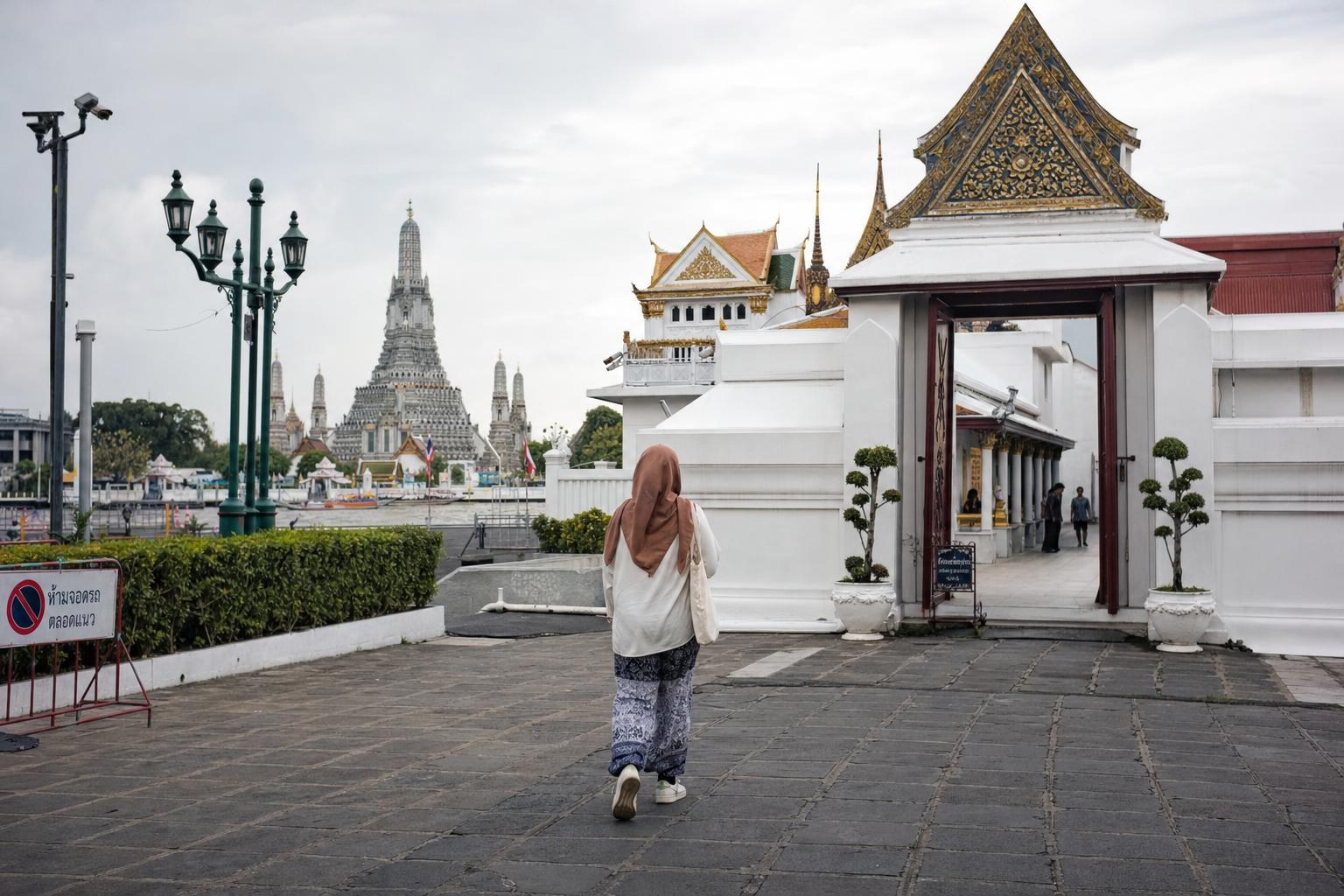
Bangkok, Thailand’s energetic capital, offers a memorable experience for travellers who explore its historic riverside—where dazzling royal temples meet the vibrant heart of Yaowarat (Chinatown). Walking or transferring between these distinct areas can involve both cultural depth and lively street life. To make this journey smooth and respectful, it’s essential to understand and prepare for the etiquette, dress, and customs expected along the way, especially at the sacred sites and when transitioning into the markets and food scenes just steps beyond the Chao Phraya River.
Overview: Sacred Sites Meet Street Culture
A riverwalk itinerary in Bangkok commonly strings together three adjacent yet distinct spaces:
- The Rattanakosin/Grand Palace precinct, home to Thailand’s royal heritage.
- The riverside cluster of iconic temples, like Wat Pho and other sacred spaces along the east bank.
- Yaowarat (Bangkok’s Chinatown), a commercial district famed for its bustling markets and culinary delights.
Each zone brings its own etiquette expectations, clothing requirements, and social customs, many of which are different from each other. Please note that while practical information about behaviour and dress is well documented in official guidance, operational specifics about changing rooms or exact riverboat lines are not, and thus not all planning details can be fully verified in advance.
1. Rattanakosin and the Grand Palace Precinct
Bangkok’s historic core is anchored by the Grand Palace, a symbol of royal grandeur and religious significance. According to official visitor guidance, the palace precinct and neighbouring grounds are considered formal royal property. All visitors are required to wear very modest clothing: both men and women must ensure shoulders are fully covered and clothing extends to below the knees. Tight, sheer, or sleeveless attire is specifically discouraged. Take care to follow on-site guidance on behaviour—maintaining respectful silence, following staff instructions, and being restrained in photography. ([Tourism Authority of Thailand])
2. Wat Pho and Riverside Temples
Just south of the Grand Palace area, the riverside hosts renowned Buddhist temples such as Wat Pho, known for its Reclining Buddha. Here, official guidance reaffirms the universal rules for temple visits: wear clothes that cover your shoulders and knees, be ready to remove shoes before entering temple interiors, and behave quietly with reverence. Shoes should be easily removable as you may need to carry them or place them in designated racks. Never touch Buddha images, and avoid placing yourself (sitting or standing) higher than religious figures or monks. Monks, in particular, should never be touched—this is especially strict for women. ([TAT Newsroom])
Photography inside sacred spaces should be discreet and respectful. Do not turn your back to Buddha images or disturb worshippers. Carrying a light shawl or an extra cover can help ensure respectful coverage, especially if moving directly from less formal public areas. ([TAT Newsroom])
3. Yaowarat: Chinatown’s Market and Food Quarter
A short walk or transfer from the riverfront, Yaowarat contrasts sharply with the formality of temple zones. Here, street food, market stalls, and lively interaction dominate. Bangkok city guidance explains that market etiquette is different: modest dress is still appreciated, but streetwear is widely accepted. Bargaining is expected at many stalls, but always keep the tone friendly and fair—smiling, showing patience, and avoiding confrontational haggling are the norms. Use polite greetings such as the wai (hands together, slight bow) and address people as "Khun" followed by their name when possible. Avoid rude gestures, touching people’s heads, or pointing feet at others or at sacred items. ([Invest Bangkok])
Navigating Transfers: River, Road, and Pedestrian Links
Moving between temples and Chinatown can be done via riverboats, tuk-tuks, local taxis, or on foot, depending on your comfort and interest. While the official visitor channels highlight the presence of riverboats and ferries serving the main piers along the Chao Phraya and connecting to nearby neighborhoods, they do not publish detailed route lists or guarantee exact pairings of piers and temple entrances. It is best to confirm specific routes, piers, and schedules upon arrival, using signage or official tourist information booths at piers or main visitor entrances. ([TAT Newsroom])
Dress and Footwear Planning for Seamless Transitions
When your day includes both sacred sites and the casual market scene of Yaowarat, choosing layered clothing and shoes that are quick to remove can greatly ease these transitions. Official sources recommend modesty at temples and royal properties; for markets, you can remove shawls or outer layers if you wish, but bringing them along can be useful if you re-enter sacred spaces. Plan for convenience—carry a small bag for your shoes or shawl, since public storage may not be provided at temple gates and changing facilities are not officially documented. ([TAT Newsroom, Invest Bangkok])
Social Customs and Behaviour on the Move
Thai public courtesy goes beyond clothing. The wai greeting is widely recognised: use it especially in more formal or sacred settings. General city cultural guidance recommends lowering your voice, avoiding boisterous behaviour, and showing respect to elders, monks, and uniformed personnel. In all settings, avoid pointing your feet at people or sacred objects, and never touch someone’s head. If walking with children, teach them to observe these customs as well. ([Invest Bangkok])
Bargaining and Interacting in Yaowarat
In Chinatown and market areas, bargaining is a local custom—try it with a friendly demeanour, and accept the outcome with grace if negotiations don’t go your way. Stallholders expect a smile and politeness. Official guidance emphasises that, even in busy areas, patience and good humour are essential for positive interactions. ([Invest Bangkok, TAT Newsroom])
What Remains Unverified: Operational Notes
While all etiquette and cultural advice above is well supported by official sources, some operational details cannot be completely confirmed from current government or tourist websites. Information such as the precise locations of changing rooms or shoe storage facilities, or detailed riverboat operator names and timetables for each pier, is either unavailable or explicitly requires on-site verification. Travellers are advised to ask at official points of entry, piers, or visitor information desks to clarify these logistics during their visit.
Summary Tips for Your Riverfront Journey
- Dress with temple-appropriate coverage (shoulders and knees), especially in royal precincts. Layer for comfort.
- Footwear should be suitable for removal at temples; sandals or slip-ons are practical. Carry a bag or covering.
- Be aware of sacred-site etiquette: quiet, reverent, no touching of monks/Buddha images, no sitting/standing above them.
- For market and Yaowarat visits, bargaining is expected but should always be polite and friendly.
- Plan transfer routes in the city by referring to official signage or information points—do not rely solely on pre-trip research for riverboat or ferry logistics.
- Practise citywide courtesy: wai greeting, polite address, avoid public confrontation, and mind respectful gestures at all times.
By following this evidence-based guidance, visitors can enjoy a seamless, culturally respectful experience—moving from the tranquil grandeur of Bangkok’s river temples to the bustling delight of Yaowarat, truly embracing the city’s signature riverwalk encounter.
Key takeaways
- Dress conservatively for all temple and royal palace visits—shoulders and knees must be covered.
- Footwear that is easy to remove and carry is ideal for temple visits.
- Market and street scenes in Yaowarat allow for more casual attire, but polite behaviour remains important.
- Use the wai greeting and address people respectfully (Khun).
- Bargaining is normal in markets—keep it friendly and avoid hostility.
- Always check on-site or at official information desks for current transport and operational details.
- Be respectful toward monks and sacred images: never touch, sit, or stand above them.
- General public courtesy in Bangkok emphasizes quiet, respectful interaction and avoidance of confrontational gestures.
Comparisons & planning
| Area | Dress Code | Footwear | Behaviour | Photography | Other Notes |
|---|---|---|---|---|---|
| Grand Palace/Royal Precinct | Shoulders/knees covered; no tight/sheer wear | Keep on outdoors; remove indoors | Formal, quiet, follow staff guidance | Permitted with restrictions | Be respectful at all times |
| Wat Pho and Riverside Temples | Modest: shoulders/knees covered | Remove at temple interiors | Quiet, reverent, no loud voices | No flash, discreet only | Do not touch monks/Buddha images |
| Yaowarat/Chinatown | Casual, modest appreciated | Normal streetwear | Polite, patient bargaining | Allowed freely | Smile, use wai, no rude gestures |
Travel checklist
- Before entering the Grand Palace or any royal grounds, ensure your clothing covers shoulders and knees.
- Bring a light shawl or scarf for adaptable coverage between temple and market settings.
- Wear shoes that can be easily removed at temple entrances.
- Do not touch monks or Buddha images—show reverence with slight bows and polite gestures.
- Use the wai (palms together, slight bow) when greeting people in temples or formal settings.
- Address vendors and locals politely; use Khun before names if known.
- Engage in bargaining in markets with a smile and patience.
- Check official signage or ask staff for specific transport and access details at piers and temples.
Frequently asked questions
What should I wear to visit Bangkok's Grand Palace and river temples?
Wear clothing that covers your shoulders and knees. Avoid tight, see-through, or sleeveless clothing. Bring a shawl or extra layer to adapt between sacred sites and more casual areas like markets. Footwear should be easy to remove for temple interiors.
What are the main etiquette rules for visiting temples in Bangkok?
Dress modestly, remove your shoes in temple interiors, behave quietly and respectfully, do not touch monks or Buddha images, and avoid sitting or standing above sacred images. Use the wai gesture when greeting in formal or religious settings.
Is bargaining acceptable in Yaowarat (Chinatown)?
Yes, polite bargaining is common at markets and independent stalls in Yaowarat. Always bargain with a smile and a friendly attitude, and be prepared to accept the outcome graciously.
How do I transfer between river temples and Chinatown in Bangkok?
Riverboats, tuk-tuks, taxis, and walking are all viable. Exact routes, schedules, or pier-to-temple transfer details should be confirmed on site at official information desks or via current signage, as official sources do not specify updated timetables or operator names.
Sources and research notes 3 sources
Based on official source material. Check provider websites for changing visitor details.
Conversation
Sign in or create an account to join the conversation.