Travel tips
Speaking Metro & Museum: Essential French Phrases and Communication for Navigating Paris’s Transport and Major Sights
A practical guide to easing your way through Paris, France's metro, RER, and museum entrances using place-specific French phrases, communication strategies, and on-the-ground cues at transport hubs, the Louvre, and the Eiffel Tower area.
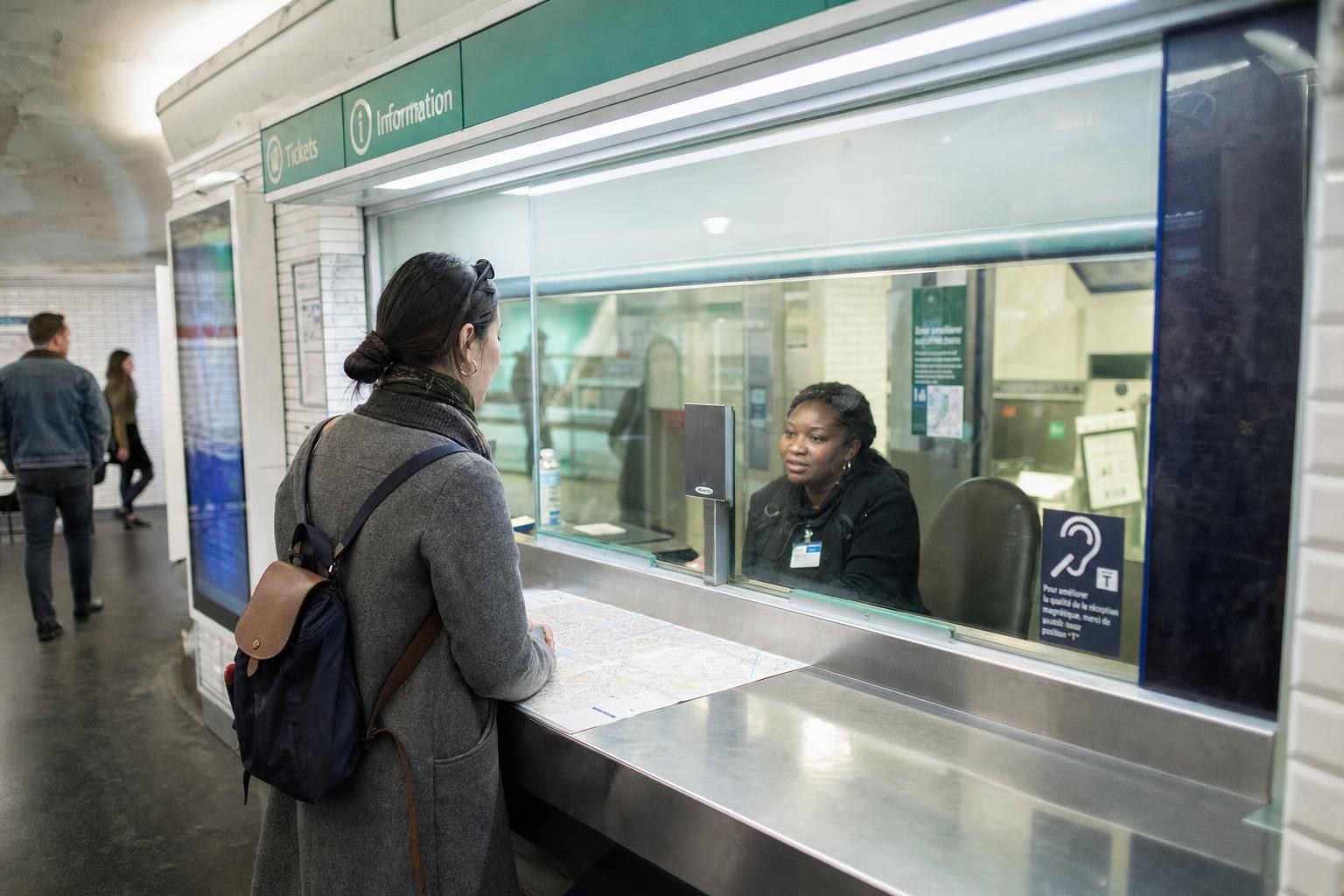
AI illustration · Wardhead AI · AI-generated illustration
Navigating Paris, France, is easier—and a lot more pleasant—when you can communicate confidently at the city’s transport hubs and key attractions. While many staff speak English at major sites and RATP stations, even a handful of well-chosen French phrases can smooth your journey through ticket machines, metro gates, information desks, and museum entrances. This guide covers essential language and proven communication tips using examples from Paris metro/RER stations, the Musée du Louvre, and the Eiffel Tower/Champ de Mars area.
Why Short French Phrases Matter in Paris
France’s official tourism authority states that even basic French greetings and questions are warmly received at stations, museums, and visitor desks. Local public transport operator RATP notes that staff are available at major metro/RER interchanges and that multilingual printed guides exist, but initial interactions—especially over the ticket window, validator, or help counter—are much smoother with a little French. Using French can help you get clear answers, avoid misunderstandings at busy gates, and show respect for local customs.
Transport and Museum Situations Where Language Matters Most
Paris’s transport system and cultural attractions present a few common friction points for travelers:
- Buying and validating tickets at machines or counters
- Asking for directions, network maps, or route planning help
- Requesting accessibility info or mobility assistance
- Finding the correct entrance or desk at a large site (e.g., the Louvre's Pyramid entrance)
For each scenario, knowing a polite greeting, the right location-specific term (e.g., "billet" for ticket, "plan" for map), and a clear question or request helps streamline the encounter—and often earns a smile from the staff.
Metro, RER, Bus, and Tram: Ticketing, Validation, and Staff Interactions
The RATP network is Paris's backbone for local travel. Nearly every journey begins with acquiring and validating a ticket or travel card. Here’s how your language and approach can make the process easier:
At Ticket Machines (Borne/Billet Automate):
- "Bonjour." (Hello.)
- "Je voudrais acheter un ticket, s’il vous plaît." (I would like to buy a ticket, please.)
- "Un carnet de tickets, s’il vous plaît." (A book of tickets, please.)
- "Une carte Navigo Easy, s’il vous plaît." (A Navigo Easy card, please.)
Tip: RATP encourages using their mobile apps (Bonjour RATP, Île-de-France Mobilités) for itinerary planning and ticket purchasing. To ask for app help:
- "Pouvez-vous m’aider avec l’application?" (Can you help me with the app?)
Validating Your Ticket:
- "Où se trouve le composteur?" (Where is the ticket validator?)
At Ticket Counters/Agent Desks:
- "Bonjour, pouvez-vous m’aider avec mon parcours?" (Hello, can you help me with my route?)
- "Où est la correspondance pour [ligne/ligne RER]?" (Where is the transfer to [line/RER line]?)
Travelers are also advised to keep their validated ticket/card until the journey ends and to show it if asked by RATP staff.
Maps, Directions, and Station Help
Every major interchange in Paris provides printed network maps and staffed help desks. If you need planning support:
- "Avez-vous un plan du réseau?" (Do you have a network map?)
- "Quelle est la meilleure correspondance pour aller à [destination]?" (What’s the best transfer to [destination]?)
For accessibility or mobility requests at stations:
- "Bonjour, j’ai besoin d’une entrée accessible/sans escalier." (Hello, I need an accessible entrance/no stairs.)
- "Où est l’ascenseur?" (Where is the elevator?)
Musée du Louvre: Entrances, Information, and Accessibility
The Louvre is one of Paris’s most-visited sites, with multiple entrances and a central help point under the Pyramid. Official visitor pages confirm that multilingual staff and printed maps are available at the Pyramid information desk. Situational French can help you get what you need fast:
At the Information Desk (Accueil/Information):
- "Bonjour, où est le bureau d’information?" (Hello, where is the information desk?)
- "Puis-je avoir un plan du musée?" (May I have a museum map?)
- "Avez-vous le programme/les fermetures d’aujourd’hui?" (Do you have today’s program/closures?)
Accessibility or Special Assistance:
- "J’ai besoin d’un itinéraire accessible, s’il vous plaît." (I need an accessible route, please.)
- "Où puis-je trouver l’ascenseur?" (Where can I find the elevator?)
- "Comment accéder à l’entrée Pyramid?" (How do I access the Pyramid entrance?)
For in-depth accessibility planning, the museum offers a contact form and on-site assistance area—official channels designed for visitors to request support in advance or upon arrival.
Eiffel Tower / Champ de Mars: Approaches and Staff Points
At the Eiffel Tower and its surrounding grounds, signage is present in multiple languages, but entry gates and ticket checkpoints often have staff who appreciate simple French greetings and clarity:
- "Bonjour, où est l’entrée principale?" (Hello, where is the main entrance?)
- "Pouvez-vous m’indiquer la billetterie?" (Can you show me the ticket office?)
- "Cette entrée est-elle accessible?" (Is this entrance accessible?)
Tips for Engaging With Staff and Locals
Politeness and a smile are valued in France. Open every exchange with “Bonjour” and close with “Merci.” If the conversation continues in French and you’re lost, it’s polite to ask, "Parlez-vous anglais?" (Do you speak English?)—but only after your French greeting.
Use RATP and museum apps or paper maps as conversation aids: sometimes pointing to your intended stop on a map or on your phone helps staff understand your needs more quickly.
Digital and Multilingual Resources
The RATP and museum information desks offer printed materials and maps in English as well as other languages. Download the official RATP app or the Louvre’s maps on your phone before heading out, and don’t hesitate to show these to staff with a polite “Pouvez-vous m’aider?”
Planning Reminders
- Each traveler must have their own validated travel ticket/card for Paris metro, RER, bus, and tram.
- Many stations and major museums offer real-time electronic information, but staff help remains fastest in person for accessibility or complex route planning.
- For specialist questions (detailed accessibility, special group visits), use official contact forms or helplines in advance—staff are accustomed to such requests and official support channels exist.
Final Word: A Little French Goes Far
While Paris is multilingual, proven planning advice remains: opening with basic French, using location-specific terms, and knowing where to direct your question are the surest ways to navigate the city’s famous hubs and cultural icons confidently.
Key takeaways
- Using even basic French greetings can smooth interactions in Paris, especially at metro stations and major museums.
- RATP station staff and museum information desks are equipped to support route planning and accessibility needs.
- Each traveler must obtain and validate their own ticket or card for Paris metro, RER, bus, and tram journeys.
- Printed and digital network maps are available at major stations and museum desks; asking for them in French is appreciated.
- Always start encounters with 'Bonjour' and end with 'Merci' for best results; ask politely if staff speak English if needed.
Comparisons & planning
| English | French Phrase | Where to Use It |
|---|---|---|
| Hello | Bonjour | Any encounter |
| Thank you | Merci | After any help |
| Where is the ticket machine? | Où est le distributeur de billets? | Metro/RER station |
| I’d like a Navigo Easy card, please. | Je voudrais une carte Navigo Easy, s’il vous plaît. | Ticket counter |
| Where is the information desk? | Où est le bureau d’information? | Museum, major station |
| May I have a map? | Puis-je avoir un plan? | Museum, station |
| Is this entrance accessible? | Cette entrée est-elle accessible? | Museum, Eiffel Tower |
Travel checklist
- Learn basic French greetings and key transit/museum terms.
- Download the Bonjour RATP and Louvre museum apps or maps.
- Keep your ticket/card validated through each journey segment.
- Locate and use information desks for maps and assistance.
- Plan accessibility needs in advance using official contact forms.
Frequently asked questions
Do I need to speak fluent French to use the Paris Metro or visit major museums?
No, but using basic greetings and key phrases greatly eases communication. Most staff speak some English, especially at major attractions and transport hubs.
Where can I find official maps or journey planners for Paris?
Printed network maps are available at major RATP metro/RER stations and museum desks. Official journey planning apps include Bonjour RATP and Île-de-France Mobilités.
How do I request accessibility support in Paris’s transport or museums?
At metro stations or the Louvre, politely ask staff for accessible routes or elevators using French if possible. For complex needs, use official contact forms in advance.
Are tickets for Paris metro and RER the same? How do I validate them?
Each traveler needs their own ticket or card. Tickets must be validated at gates or on buses/trams when boarding. Ask staff for help if you’re unsure how to validate.
Sources and research notes 4 sources
Based on official source material. Check provider websites for changing visitor details.
Conversation
Sign in or create an account to join the conversation.