Travel tips
Kyoto’s Morning-to-Evening Temple Corridor: Navigating Fushimi Inari, Kiyomizu-dera, and Kinkaku-ji
A practical guide to planning a one-day route through Kyoto’s three landmark religious sites—Fushimi Inari Taisha, Kiyomizu-dera, and Kinkaku-ji—covering access logistics, booking procedures, and how to check for site closures using official resources.
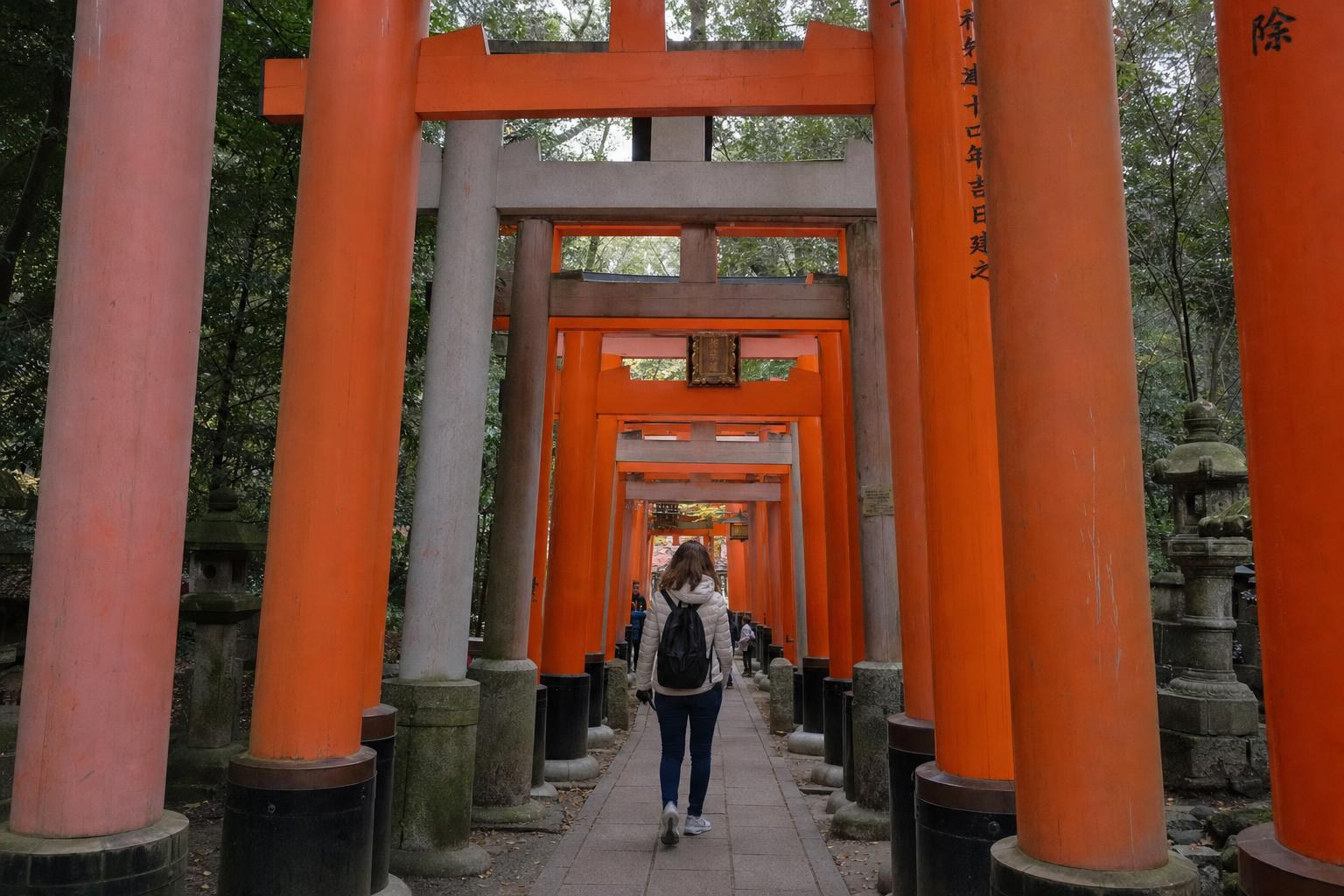
AI illustration · Wardhead AI · AI-generated illustration
Introduction
Kyoto, Japan is home to many of the country’s most iconic religious sites, with three—in particular—standing out on any short itinerary: Fushimi Inari Taisha, Kiyomizu-dera, and Kinkaku-ji (the Golden Pavilion). For travelers aiming to experience each in a single day, understanding patterns of access, closure risks, and official booking recommendations is essential. This guide distills official city and tourism organization guidance to help you confidently navigate Kyoto’s temple corridor, making the most of your visit while avoiding common frictions.
Fushimi Inari Taisha: The Flexible Southern Gateway
Situated in southern Kyoto’s Fushimi ward, Fushimi Inari Taisha is renowned for its seemingly endless mountain path of brilliant red Senbon Torii gates. According to official Kyoto tourism sources, the main shrine precinct is accessible throughout the day and into the evening, allowing for flexible arrival times. Key shrine services, such as the prayer office and the counters for amulets (omamori) and seals (goshuin), follow set operation times which are published on the Japanese-language tourism pages for the shrine.
Practical Access:
- Rail: Direct access from JR Inari Station (Nara Line) or a short walk from the Keihan Fushimi Inari Station, both clearly marked on Kyoto city and Japan national tourism maps.
- On-site services: The shrine grounds themselves are open; for rituals or obtaining official shrine stamps, verify current counter/service hours on the official site or recommended DMO (Destination Management Organization) page before visiting.
- Guided Tours: Kyoto’s DMO lists official guided tours which operate daily except during major shrine events or festivals. Tours require pre-booking via the specified reservation portal. For blackout dates or special access, consult the city’s official booking platform.
Planning Suggestion: Arriving early allows you to enjoy the quieter atmosphere. If interested in a specific shrine service or guided experience, review the latest schedule and secure reservations using the official booking link provided by Kyoto’s DMO.
Kiyomizu-dera and the Higashiyama Slope: Iconic Scenery and Living Culture
From Fushimi Inari, head northeast toward Kiyomizu-dera, perched on the wooded slopes of Higashiyama with panoramic views over central Kyoto. Approaching via narrow, shop-lined pedestrian streets is itself a highlight. According to the city’s official travel guide, these streets, as well as the open temple grounds, are generally accessible, although certain buildings and exhibition spaces within Kiyomizu-dera may restrict access (for example, during seasonal events or renovations).
Practical Access:
- The closest rail and city bus stops require a moderate walk—often up steep approaches—through lively, pedestrian-centric lanes. Maps and access instructions are available on the Kyoto city website.
- Certain sub-areas (such as interior halls or paid gardens) may require separate admission or have distinct operating schedules. These details are updated on the temple’s own homepage and sometimes on the city’s event pages.
- Visitor facilities, including rest areas and information counters, are mapped by the city’s tourist information service.
Planning Suggestion: If your interest is in viewing specific rooms or exhibitions within Kiyomizu-dera, check the temple’s official website or the Kyoto DMO event calendar on the morning of your visit for any temporary closures or admission policies. For general precinct wandering, advance tickets are typically not necessary.
Kinkaku-ji (Golden Pavilion): Formally Managed Site in the North
The day route culminates at Kinkaku-ji in northern Kyoto (Kita Ward)—one of the city’s best-known heritage sites. The Golden Pavilion is approached via a single, managed visitor circuit that leads through gardens to the famous gold-leaf clad main building. According to the city’s official Kyoto travel guide, access is through a dedicated entry and the flow of visitors is structured. Kinkaku-ji is operated as a heritage site with clearly posted hours and entry points. Information on closures for special events or maintenance is posted in advance, either on the city tourism page or, in some cases, the temple’s official homepage.
Practical Access:
- City bus service is the most direct approach (stop: Kinkakuji-michi), with routes listed on Kyoto’s official travel map.
- Entry is through a single gate, with a managed visitor flow and designated garden path. Be aware that certain buildings or interior areas, including those within the main Golden Pavilion itself, are not typically open for interior entry, and photography restrictions may apply in some zones.
- Any changes to access or visitor flow are noted by the DMO and can be checked via the city’s official event and news sections.
Planning Suggestion: Kinkaku-ji tends to operate on set visiting hours and manages crowd flow; check ahead to confirm any maintenance or special event closures. For a stress-free visit, plan to arrive before the final posted admission slot.
Booking Experiences and Navigating Reservations
Japan’s national tourism guidance strongly encourages travelers to secure reservations in advance for guided tours, certain temple stays (shukubo), and special exhibitions—especially during peak travel periods. Official recommendation is to always review reservation and cancellation rules, as each site may have distinctive payment requirements or refund policies. Specific advice includes checking the terms for deposits, acceptable payment methods, and seasonal exclusions. The Japan National Tourism Organization highlights these rules on its responsible travel pages.
For temple stays in particular, the policies regarding payments and etiquette may vary; some lodgings accept only cash while others may permit online transactions. Always confirm directly with the temple or listed official provider.
Practical Planning Checklist:
- Identify which sites on your route require advance reservations, especially if joining guided tours or staying overnight at temple lodgings.
- Use the official city and temple event calendars for any updates about closures or festival interruptions.
- For routine visits to major temple/shrine precincts, tickets are not always needed, but access to some interior spaces or special events may require booking.
- Allow sufficient transfer time when using local trains and city buses between Fushimi Inari (south), Kiyomizu-dera (east), and Kinkaku-ji (north).
Limitations and Unverified Details
While the official resources referenced provide detailed instructions on access, visitor management, and booking requirements for Kyoto’s primary religious sites, certain details—especially live or real-time closure updates, capacity restrictions, or ticketing mechanisms for internal sub-facilities—are only available via the temple or shrine’s own homepages and reservation portals. If your itinerary depends on attending a particular ceremony, viewing a specific room, or accessing seasonal programs, consult the respective temple’s site or call ahead for assurance. Official DMO and national tourism guidance explicitly recommend this for up-to-date information.
Key takeaways
- Kyoto’s Fushimi Inari Taisha, Kiyomizu-dera, and Kinkaku-ji can be visited in a thoughtfully planned one-day route.
- Fushimi Inari offers flexible access via JR and Keihan lines, with shrine grounds open daily and special services during office hours.
- Kiyomizu-dera is approached through pedestrian-friendly streets; check for building closures or special exhibitions on the temple’s official page.
- Kinkaku-ji operates a managed visitor circuit with set entry; confirm hours and restrictions with Kyoto’s DMO or the temple homepage before visiting.
- Advance reservations are advised for guided tours or temple stays; booking terms differ between sites.
- Festival dates and ceremonies may cause temporary closures or restrict access, always check official calendars for updates.
Comparisons & planning
| Site | Access Mode | General Entry | Guided Tours | Special Booking Required | Official Info Source |
|---|---|---|---|---|---|
| Fushimi Inari Taisha | JR Inari / Keihan / City Bus | Open all day (precincts); office/goshuin hours posted | Yes, via official DMO; check blackout dates | For guided tours only | Kyoto City DMO, Shrine Homepage |
| Kiyomizu-dera | Walk from bus/train stops | Open precincts; indoor/exhibitions may vary | Not routinely offered at DMO | For special exhibitions/interior access | Temple Homepage, Kyoto Tourist Info |
| Kinkaku-ji | City Bus (Kinkakuji-michi) | Set visiting hours; managed entry | Not routinely offered at DMO | For events/special areas | Kyoto City DMO, Temple Homepage |
Travel checklist
- Confirm the individual site access and service hours for Fushimi Inari and Kiyomizu-dera via official city/temple websites.
- Book guided tours only through the links provided by Kyoto’s Destination Management Organization.
- Double-check Kiyomizu-dera’s and Kinkaku-ji’s official event pages for seasonal or maintenance-related closures.
- Allow time for public transit transfers: JR for Fushimi Inari, city bus for Kinkaku-ji, walking approach for Kiyomizu-dera.
- Review booking policies and payment requirements if planning to stay in temple lodging (shukubo).
- Consult live updates on temple or shrine homepages for ceremony or festival delays impacting site access.
Frequently asked questions
Do I need to pre-book tickets to visit Fushimi Inari Taisha, Kiyomizu-dera, or Kinkaku-ji?
Generally, main shrine or temple grounds do not require advance tickets. However, guided tours (mainly at Fushimi Inari Taisha) and some special exhibitions or lodgings may require reservations. Always check the site’s official page for specifics.
How do I check for temporary closures or festival interruptions?
Use the official temple or shrine homepages and the Kyoto City DMO event calendar. Closure notices for ceremonies, renovations, or festivals are posted in advance when possible.
What’s the best transport mode between these major sites?
JR trains and Keihan lines provide access to Fushimi Inari Taisha, city buses serve Kinkaku-ji, and Kiyomizu-dera is reached via a scenic walk from local bus or train stops. Check local operator maps for up-to-date route details.
Can I pay for temple stays by card?
Not always; some temple lodgings (shukubo) accept only cash. Review payment policies on the Japan National Tourism Organization’s official accommodation guide or the temple’s reservation page.
Has anything here changed?
Help us keep these practical details accurate.
Sources and research notes 4 sources
Based on official source material. Check provider websites for changing visitor details.
Conversation
Sign in or create an account to join the conversation.