Itineraries
Rome, Italy: How to See the Highlights in One Day
Plan a practical one-day itinerary in Rome, Italy, covering iconic ancient sites, Baroque city-center highlights, and options for local neighborhood exploration, with realistic walking routes and transfer advice based solely on official guidance.
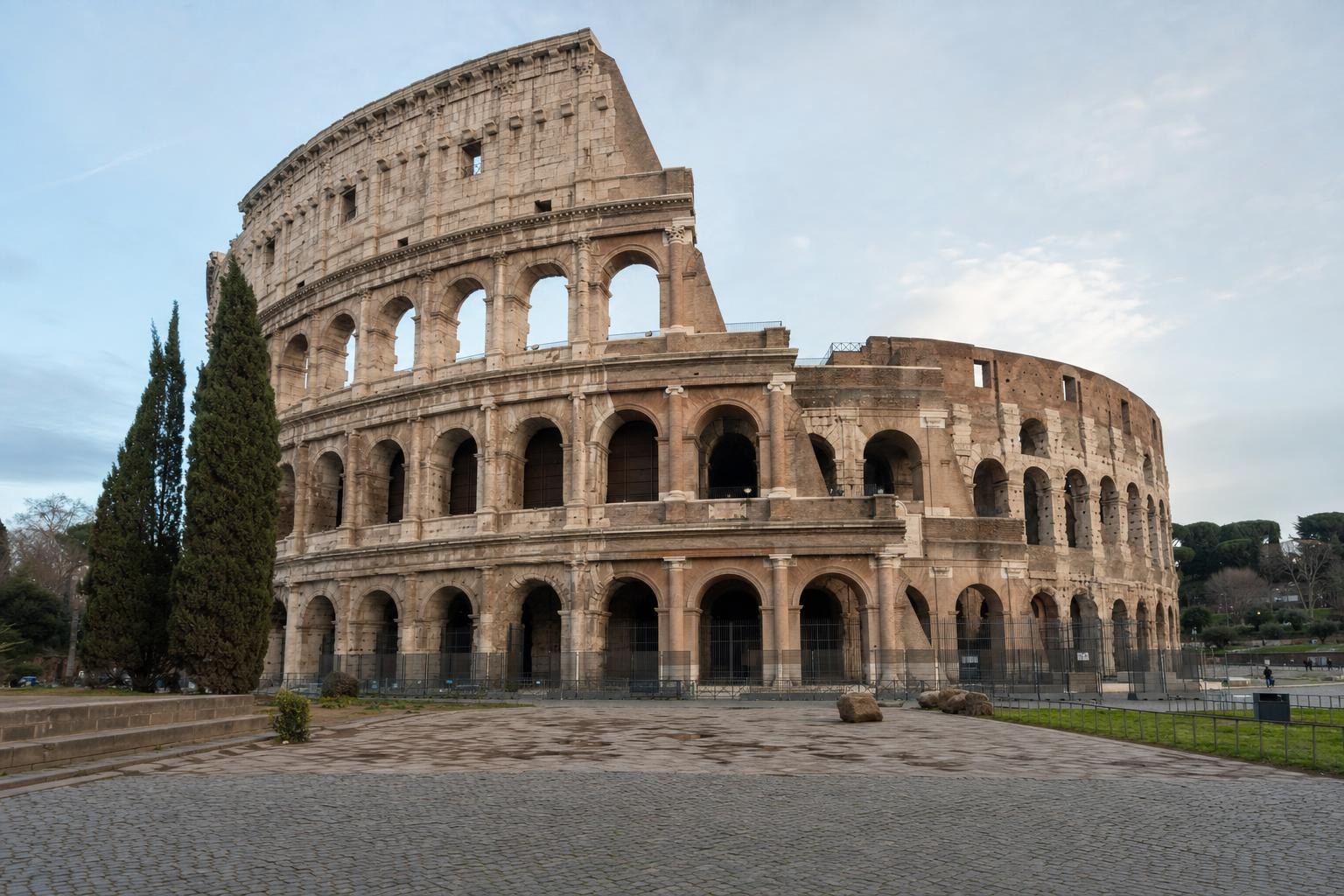
AI illustration · Wardhead AI · AI-generated illustration
Rome—Italy’s legendary capital—is dense with iconic landmarks, but even with a single day available, it’s possible to experience an astonishing sweep of the city’s history. This guide outlines how to see the best of Rome in one day, relying on official city itineraries and realities of walking and public transport, so you cover maximum highlights with minimum time lost in transit.
Getting Started: Geographic Clusters and Walking Logic
Rome’s core attractions fall into compact, walkable clusters. Official tourism sources and city itineraries emphasize grouping your day by geography. This both minimizes time spent transferring and allows you to immerse yourself in layers of Roman history. The classic groupings are:
- **Imperial Rome**: Colosseum, Roman Forum, and Palatine Hill
- **Historic-Baroque Center**: Pantheon, Trevi Fountain, Piazza Navona, Spanish Steps
- **Vatican Area**: St Peter’s Basilica and the Vatican Museums
Select two of these clusters for a full but do-able single-day plan, or add a distinctive neighborhood (such as Testaccio or Trastevere) to experience daily Roman life and food.
Morning: Imperial Rome Walking Loop
Start your day at the Colosseum, Rome’s most recognizable monument. This ancient amphitheater, alongside the Roman Forum and Palatine Hill nearby, forms the heart of the city’s archaeological zone. Official city itineraries recommend visiting these sites together, as they are directly adjacent and commonly ticketed as a single archaeological complex.
Next, follow Via dei Fori Imperiali. This dramatic avenue links the Colosseum with the Capitoline Hill, passing the valley of the Roman Forum. Continue to the Capitoline Hill and head towards Piazza Venezia, a major city center hub. This uninterrupted sequence introduces you to the ancient and Renaissance faces of Rome, all within an accessible walking path. (Source: turismoroma.it)
Alternate Imperial–Papal Route: If you want to blend ancient and papal Rome, official Italia.it itineraries describe an easy, approximately 1.5-kilometer route: Colosseum → Basilica of San Clemente (medieval mosaics, church built on top of ancient temples) → Santi Quattro Coronati (fortified medieval basilica) → San Giovanni in Laterano, the city’s oldest papal basilica. This entire walk is sequential, staged, and intended as a relaxed stroll with culturally rich stops. (Source: italia.it)
Midday: From Monuments to City-Center Squares
With ancient Rome covered, turn your focus to the historic and Baroque heart. Walk or take a short public transit ride (‘B’ metro line or city bus) toward the Pantheon district. Official city routes highlight these destinations as forming a tight circuit:
- Pantheon (spectacular ancient temple, now a church)
- Trevi Fountain (Rome’s most famous fountain)
- Piazza Navona (expansive Baroque square, lively atmosphere)
These are all within easy walking distance of each other. Piazza di Spagna and the Spanish Steps are also nearby—perfect if you wish to add a short detour for a classic snapshot and people-watching.
Try to enjoy lunch in this area. While official pages do not specify restaurants, the streets around the Pantheon and Piazza Navona are filled with trattorie, cafes, and gelaterie, offering a range of Roman fare and quick bites. (Source: turismoroma.it)
Afternoon Options: Vatican or a Local Neighborhood
**Option 1: Vatican Cluster**
If you’ve never been to Rome, crossing to the west bank of the Tiber to visit the Vatican is unforgettable. Official guides recommend starting at St Peter’s Square, absorbing the monumental scope of the Basilica and (with time permitting) the Vatican Museums—which includes the Sistine Chapel. The basilica and museums are adjacent.
Access from the historic center is straightforward, with both riverbank walking routes and several bus or metro options (Roma Pass is referenced as an optional ticketing convenience for such runs, though it is not required). A riverside walk via Via dei Coronari or across the Ponte Sant’Angelo makes for a picturesque transfer. (Source: turismoroma.it)
**Option 2: Neighbourhood Life – Testaccio or Trastevere**
For a taste of Rome’s everyday atmosphere, official itineraries also suggest devoting an afternoon to vibrant local districts:
- **Testaccio**: Known for its food market and Roman street food scene, as well as contemporary cultural venues. The neighborhood is south of the historic center and has a distinct, less-touristed vibe.
- **Trastevere**: Renowned for narrow lanes, lively piazze, and authentic Roman dining, Trastevere is easily reached from central Rome or the Vatican.
Swap this neighbourhood exploration in place of the Vatican for a more local, culinary, or relaxing finish, especially if you’ve already visited the main churches. (Sources: italia.it)
Parks and City Views
If seeking a pause or a moment away from crowds, the official city materials recommend the Villa Borghese park, one of the city’s largest green areas. It’s ideal for a relaxed stroll or, if reserved, a visit to the Galleria Borghese. Alternatively, the Capitoline Hill and Castel Sant’Angelo offer classic Rome roofscape views—these can be slotted in as short stops if your route passes nearby. (Source: turismoroma.it)
Getting Around: Walk First, Transit as Needed
Rome’s central clusters are notably walkable, especially within and between ancient and Baroque areas (Colosseum, Forum, Pantheon, Trevi, Navona, Spanish Steps). For longer crossings—such as Historic Center to Vatican, or to reach Testaccio—a mix of short metro or bus rides is efficient. The Roma Pass, mentioned on official pages, can facilitate visitor access to transit and some museums, but it remains optional and best consulted directly for details and updates. (Source: turismoroma.it)
What Not to Worry About
Official tourist information does not provide live ticket prices, opening hours for attractions, or detailed transport schedules in city itineraries—they recommend consulting official venue or operator pages for the most up-to-date arrival, booking, or access details. Skip these specifics in your plan until immediately before you travel.
Extensions for the Inspired
If you find yourself with more than one day, or wish to swap a city landmark for a distinctive side trip, official guides highlight nearby heritage sites such as Ostia Antica. But for a true one-day highlight tour, focus on the city’s ancient and historic heart.
Key takeaways
- Rome’s highlights are grouped in compact, walkable clusters: the ancient core, central Baroque squares, and the Vatican area.
- Official city itineraries recommend starting at the Colosseum and moving in logical walking sequences to minimize backtracking.
- For a one-day trip, pair the ancient core with the historic center, or substitute time in a neighborhood like Testaccio or Trastevere to experience local food and atmosphere.
- Many key sites are reachable on foot; public transport helps for longer crossings or if you wish to add the Vatican or Testaccio.
- Live prices, opening hours, and ticket details are not covered here; consult operators directly for up-to-date information.
- Parks like Villa Borghese and city viewpoints from the Capitoline add options for relaxation in between sightseeing.
Comparisons & planning
| Cluster | Key Sights | Recommended Route | Practical Note |
|---|---|---|---|
| Imperial Core | Colosseum, Roman Forum, Palatine Hill | Start at Colosseum, walk Via dei Fori Imperiali toward Piazza Venezia | Sites clustered; can cover in morning block |
| Baroque Center | Pantheon, Trevi Fountain, Piazza Navona, Spanish Steps | Walk circuit from Pantheon to Trevi to Navona | All within easy walking distance |
| Vatican Area | St Peter’s Basilica, Vatican Museums | Cross Tiber via Ponte Sant’Angelo or nearby bridges | Clustered on west bank; public transport or riverside walk from center |
| Local Neighborhood | Testaccio or Trastevere | Reach from center by bus/metro or by foot along Tiber | Half-day option for atmosphere, food |
| Parks/Viewpoints | Villa Borghese, Capitoline, Castel Sant’Angelo | Slot in as a pause between clusters or as final stop | Ideal for breaks or panoramic views |
Travel checklist
- Group your sightseeing by area to maximize time: Ancient, Baroque, Vatican, or neighbourhood.
- Wear comfortable walking shoes, as central Rome’s streets and archaeological sites are best explored on foot.
- Consider using public transport for crossings between distant clusters (Vatican/Testaccio).
- Consult official venue or transport operator pages for current times and ticket access.
- Sample Roman street food or local trattoria cuisine in central or neighborhood districts.
- If time allows, pause at a viewpoint (Capitoline Hill, Castel Sant’Angelo) or relax in Villa Borghese.
Frequently asked questions
What’s the best way to get around Rome in one day?
Most of Rome’s highlights are grouped in the central area and can be reached on foot. Use public transport such as metro or local buses for longer transfers—for example, between the historic center and the Vatican or Testaccio. The Roma Pass offers visitor convenience but is optional.
Can I see the Colosseum, Roman Forum, and Vatican in one day?
Yes, but it requires an efficient route and realistic pacing. Cover the Colosseum and Forum in the morning, use public transport or a direct walk to the Vatican area, and reserve time for queuing and security. Alternatively, swap the Vatican for the Baroque piazzas to avoid long transfers.
Are the Pantheon, Trevi Fountain, and Piazza Navona close to each other?
Yes, these iconic landmarks are all situated in Rome’s historic center and are grouped conveniently for easy walking. City itineraries commonly cover them as a single circuit.
What are good alternatives to the main tourist sites?
Official sources highlight Testaccio and Trastevere as vibrant neighborhoods where you can experience Roman food culture and everyday life. These areas can be slotted into your day in place of, or alongside, major monuments depending on your interests.
Sources and research notes 2 sources
Based on official source material. Check provider websites for changing visitor details.
Conversation
Sign in or create an account to join the conversation.