Itineraries
Coastal Nature & Lido Route: One Day Exploring Ostia Lido, Castel Fusano Pine Forest and Capocotta Dunes from Rome, Italy
Experience Rome’s local coastline in a single day: stroll the Ostia Lido promenade, walk through the vast pine forests of Castel Fusano, and discover the wild dunes of Capocotta. This itinerary balances managed beaches, natural parks, and unspoiled Mediterranean environments—all accessible from central Rome.
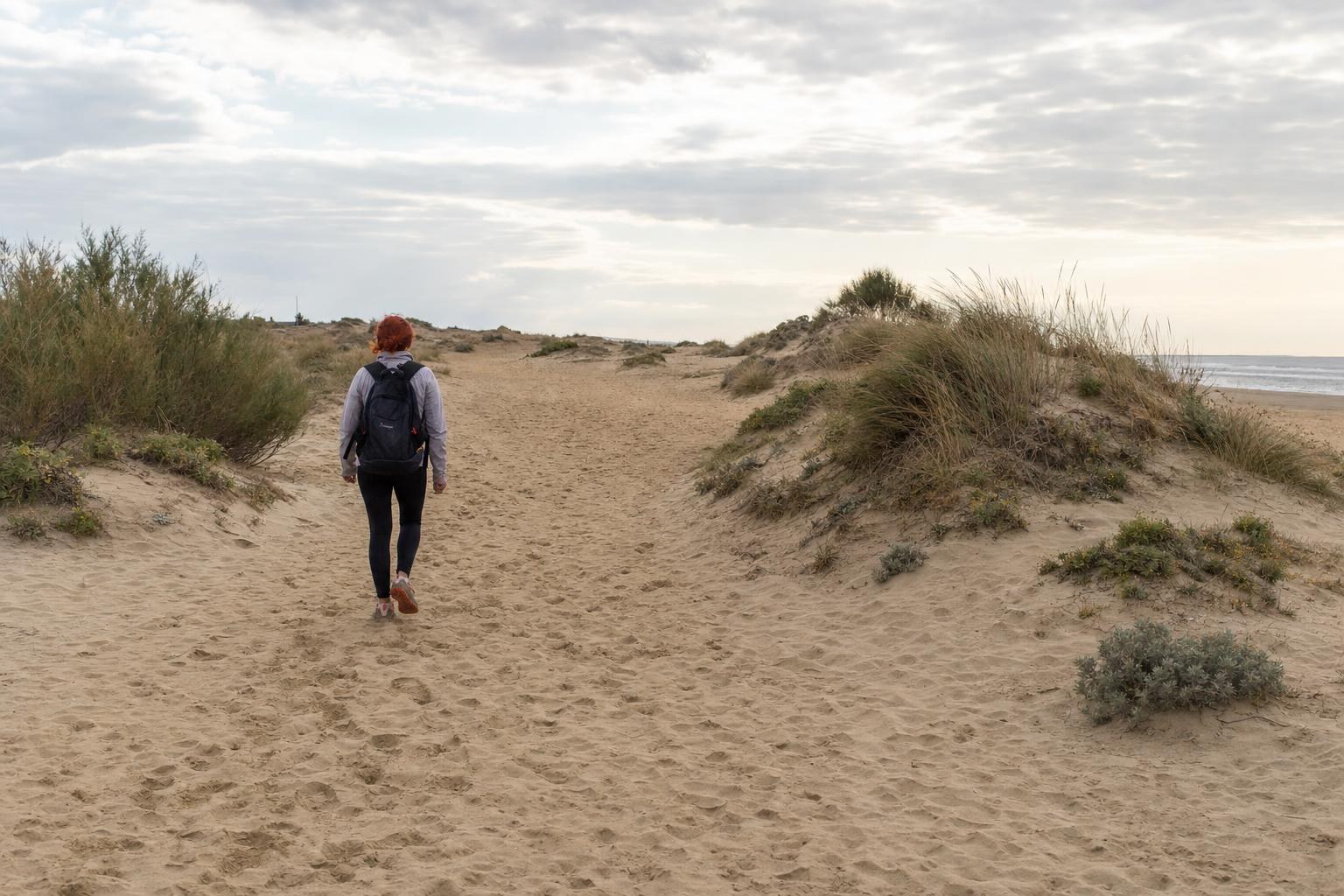
AI illustration · Wardhead AI · AI-generated illustration
Rome is world-famous for its art, architecture, and ancient history, but it also claims its own seafront just a short trip from the city center. For visitors looking to swap Renaissance stones for sand, pines and dunes, Rome’s coastline offers a unique blend of urban lido, protected forest, and semi-wild nature—most accessibly grouped in the contiguous areas of Ostia Lido, Pineta di Castel Fusano, and the Capocotta dunes. This one-day itinerary highlights practical planning and nature immersion, grounded in official tourism sources.
Getting There: From Rome to Ostia Lido
Rome’s Lido di Ostia is the city’s principal seaside borough. Well connected from central Rome by the Roma–Lido railway (buses and major roadways are also available), this maritime district welcomes residents and international visitors alike. Trains from the Piramide metro/rail interchange (Metro B) provide a consistent link to Ostia, terminating near the seaside promenade. Upon arrival, you’ll find yourself a few steps from the promenade (officially Lungomare Paolo Toscanelli) and Ostia’s mix of managed and open-access beaches. Transport planning is straightforward, though you should always check official rail or public transit sources for current schedules.
Morning: Urban Beach Life at Lido di Ostia
Begin your day with a stroll along the Lungomare Paolo Toscanelli, Ostia Lido’s classic seafront promenade. According to Italy’s main tourism sites, this area blends broad sandy beaches, a bustling promenade, a yacht harbor, and several noted historic landmarks like the 1950s Kursaal. What sets Ostia apart is its mixture of beach experiences: you’ll find both "stabilimenti balneari" (managed beach establishments, offering amenities like umbrellas, loungers, changing rooms, and sometimes restaurants) and "spiagge libere" (free or public access stretches, where you can lay your towel on the sand at no cost).
For many, the first stop is to take in the sea air, grab a coffee, and orient yourself at the promenade. The "lungomare" is lined with both historic and contemporary bars, snack spots, and beach entrances—look for official signage indicating public accesses. Swimming and sunbathing are popular from spring to autumn, and the open walkway is pleasant year-round. Remember, by law the shoreline (battigia) is free for public use even in concessioned areas, and there are clearly marked public access passages. If you want a traditional lido experience, you can opt for a stabilimento for the day, but don’t feel obliged—public stretches are always available.
Late Morning: Into Pineta di Castel Fusano
Not far from the urban coast, the landscape shifts dramatically. The Pineta di Castel Fusano, officially part of the Riserva Naturale Statale del Litorale Romano, extends inland and aligns parallel to the beach. It’s reached by foot, bicycle, or local buses from the Lido area—consult public maps for precise pedestrian or cycling routes. This large pinewood is Rome’s principal coastal green lung, distinguished by its macchia mediterranea (Mediterranean scrubland), old-growth pines, and biodiversity that gives refuge to birds and wildlife uncommon within city limits.
Pineta di Castel Fusano’s walking and cycling trails are shaded and tranquil, providing respite from the summer heat and a strong contrast to the busy promenade. The forest covers a significant area (one of the largest urban pinewoods in Italy), and is ideal for walking, picnicking, or a quiet moment in nature. Official signage at entrances explains the park’s boundaries and conservation measures, and paths are maintained for both short and longer walks. Keep your eyes open for Mediterranean flora and, depending on the season, a chorus of cicadas or the scent of resin.
Lunch Option: Consider packing a picnic to enjoy within designated rest areas in the park, or return to Ostia’s beachfront cafés and trattorias for local seafood and Roman coastal fare.
Afternoon: Coastal Cycle or Ride Down the Via Litoranea
From the southern edge of Castel Fusano, the Via Litoranea road runs parallel to the sea, continuing toward the wilder, less developed stretches of the coast. If you’re cycling (rentals are possible in Ostia), this stretch is especially rewarding, connecting directly to the Capocotta dune system, approximately 6 km south of Ostia Lido.
Alternatively, local buses ply the Via Litoranea with stops at key beach segments. Information about specific stops and services should be confirmed on official transport maps at Ostia or Castel Fusano stations before setting out. The further you travel, the more the built environment yields to open sand and scrub.
Late Afternoon: Capocotta Dunes — Rome’s Wild Beach
The Capocotta dunes, as identified by official municipal sources, are among the most renowned and protected natural beach environments on the Lazio coast. This sector, part of the continuous Litorale Romano reserve, is defined by a landscape of tall sand dunes, Mediterranean shrubs, and a dynamic coastal ecosystem not seen in the more urban lido. Management of this area emphasizes conservation, though portions of the beach are accessible via both managed entries (including basic facilities) and unmarked free stretches.
Trails cross patches of macchia, connecting access paths and viewpoints sandwiched between the road and dunes. While bathing and relaxation remain possible, the Capocotta area is known for a more natural beach experience, where dune protection and biodiversity come first. Official guidance includes staying on marked paths, respecting the natural flora and fauna, and ensuring any litter is carried out.
Practical Tips for the Day
- Arrive early during high season: Lido di Ostia’s promenade and main beaches fill up quickly, especially on summer weekends.
- Check official tourism and local transport sites for up-to-date Roma–Lido train or bus schedules, as well as seasonal access updates for forest and beach areas.
- Bring sun protection, refillable water bottles, and any picnic supplies, especially if aiming to enjoy the wilder southern beaches or forest clearings.
- Cycling expands your range on the coastal route, especially between Lido, Castel Fusano, and Capocotta, but walking and public bus hops also work for a slower pace.
- Respect nature reserve rules: remain on trails in Castell Fusano and Capocotta, and never disturb dune vegetation.
Return Option: The Roma–Lido railway at Castel Fusano station makes for a convenient return point to central Rome. You may also backtrack to Ostia Lido using local transport or, if cycling, retrace the Via Litoranea north.
Why Choose This Route?
Rome’s coastal cluster of Ostia Lido, Pineta di Castel Fusano and Capocotta dunes uniquely blends urban seaside tradition, eco-conscious recreation, and protected natural beauty—just a short ride from downtown Rome. It’s a day for slowing down, exploring natural and managed beaches side by side, and experiencing a lesser-known but authentic face of the capital. From the bustling promenade to quiet pine forest trails and wild dunes, this is Rome’s Mediterranean alternative—officially recognized, easy to reach, and ideal for nature-minded day-trippers.
Key takeaways
- Rome’s coastline near Ostia offers a unique mix of urban beaches, protected pine forests, and wild dune landscapes—all accessible by public transport.
- Lido di Ostia is Rome’s main seaside district, combining lively promenades, managed beach clubs, and public access to sand and sea.
- Pineta di Castel Fusano is a vast, protected pine forest ideal for walks and cycling, directly adjoining the urban seafront.
- Capocotta dune system is a notable stretch of Rome’s coast, featuring unspoiled sand dunes and Mediterranean vegetation under legal protection.
- Visitor access is clearly marked along the coast, with both paid establishments and public/free beach stretches.
- The entire itinerary falls within the officially designated Riserva Naturale Statale del Litorale Romano, ensuring both recreation and conservation.
Comparisons & planning
| Area | Features | Type of Access | Main Activities | Natural Setting | Officially Protected? |
|---|---|---|---|---|---|
| Lido di Ostia | Urban promenade, beach clubs, marina, historic buildings | Stabilimenti (managed) and spiagge libere (public/free) | Swimming, sunbathing, dining, strolling | Urban sandy beach | Partial (adjacent to reserve) |
| Pineta di Castel Fusano | Extensive pine forest, shaded trails, Mediterranean scrub | Multiple public entrances, pedestrian/cycle paths | Walking, cycling, picnicking, wildlife viewing | Protected pinewood, green belt | Yes (within state reserve) |
| Capocotta Dunes | Tall sand dunes, natural vegetation, beach | Marked paths, mixed managed and wild sectors | Nature walks, beach time, birdwatching | Dune coast, macchia mediterranea | Yes (legally designated area) |
Travel checklist
- Check latest Roma–Lido train and local bus schedules before starting your day.
- Bring sun protection, water, and a picnic if you plan to relax in natural areas or dune sectors.
- Pack swimwear and towels for Lido di Ostia beaches or Capocotta’s public stretches.
- If cycling, look for rental options in Ostia or transport your own bike via train (confirm train bike policy).
- Stay on marked trails in Castel Fusano and Capocotta to respect conservation measures.
- Carry essential supplies if visiting unmanaged or less serviced parts of the dunes and forest.
Frequently asked questions
How do I reach Lido di Ostia from central Rome?
You can reach Lido di Ostia by taking the Roma–Lido railway from the Piramide metro station (Metro B). The railway terminates near Ostia’s seafront, giving direct access to the promenade and beach areas. Official tourism maps display route details and connections.
Are there both public and paid beach sections along the Lido di Ostia?
Yes, Ostia features a mix of 'stabilimenti balneari' (paid, managed beach establishments with amenities) and 'spiagge libere' (free/public stretches). Official listings and signage make these distinctions clear on-site.
Is swimming permitted in the Capocotta dune area?
Swimming is possible along designated public stretches of the Capocotta dunes, but visitors must respect conservation signs and stay on marked access paths to protect the environment. Always consult on-site notices for any access restrictions.
Can I cycle the entire itinerary from Ostia Lido through Castel Fusano to Capocotta?
Yes, cycling is possible and can connect all three areas. Designated cycle paths run through Pineta di Castel Fusano and along coastal roads, making it a practical way to explore the route, especially for covering longer distances between Ostia and Capocotta.
Sources and research notes 2 sources
Based on official source material. Check provider websites for changing visitor details.
Conversation
Sign in or create an account to join the conversation.