Itineraries
Paris in One Day: Essential Highlights & Realistic Travel Planning
Explore Paris' major highlights in a single day with a practical route built around official guidance. This itinerary focuses on the Louvre area, the historic Île de la Cité and Seine promenade, and the Eiffel Tower, using proven public transport and walking connections. All planning advice and transfer options are grounded in municipal and site operator sources, so you can maximize your Paris experience without guesswork.
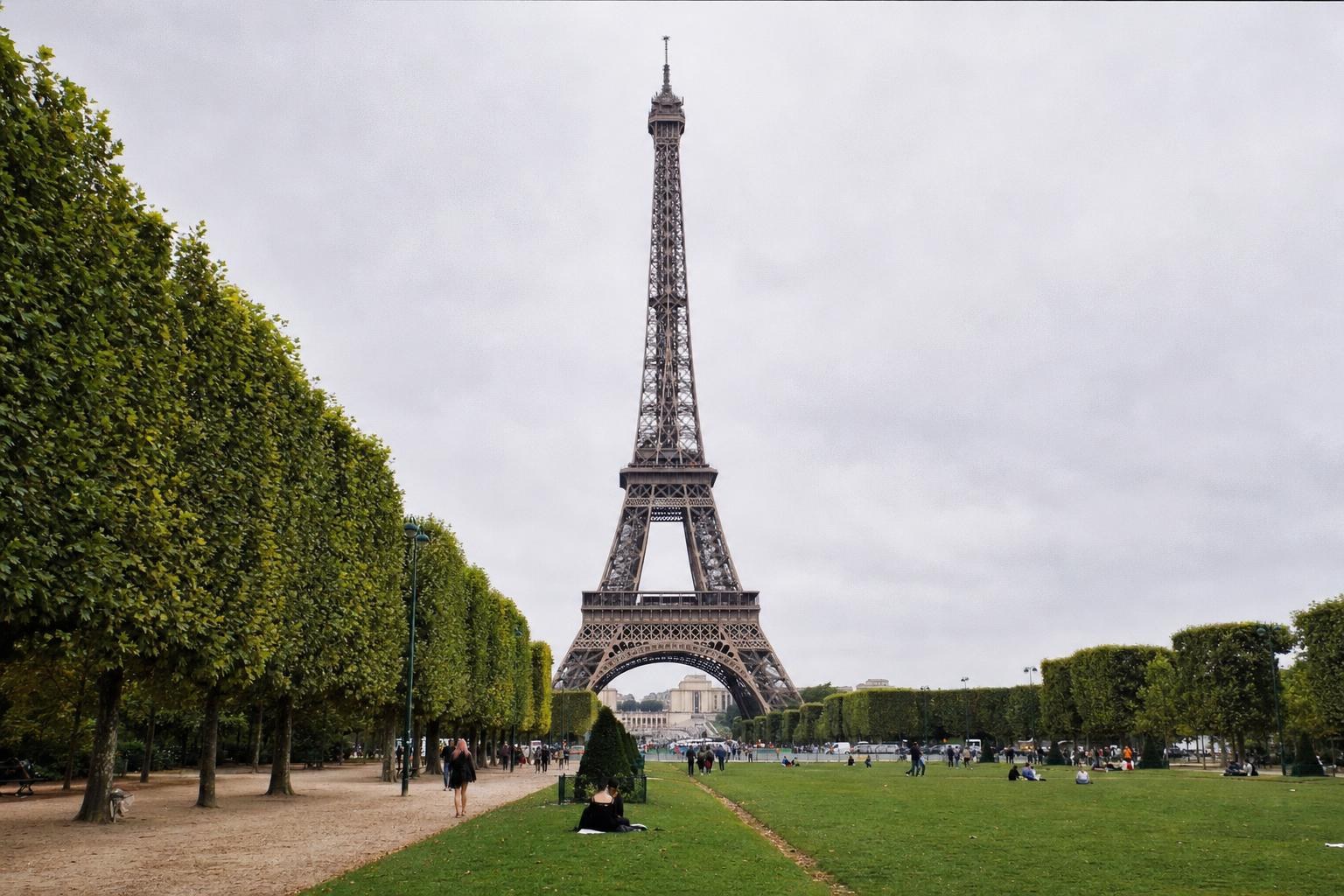
AI illustration · Wardhead AI · AI-generated illustration
Paris is renowned for its extraordinary density of history, art, and world-famous monuments. If you have only one day to explore, it is possible to experience the city’s most essential highlights by thoughtfully grouping your journey into three well-connected zones—each directly supported by official city and attraction resources.
Overview: Structuring a One-Day Paris Itinerary
To get the most out of your visit, focus on these three central clusters:
- Louvre Museum & Tuileries Area (1st arrondissement, Right Bank)
- Île de la Cité and Seine Promenade (Historic Core)
- Eiffel Tower & Champ de Mars (7th arrondissement)
Each of these featured areas is pedestrian-friendly, accessible via multiple public transit options, and offers a distinct flavor of historic and cultural Paris. This structure is in line with the advice found across the official Paris city website, the Louvre, the Eiffel Tower, and the RATP transit authorities.
Morning: Louvre Museum & Tuileries Area
Start at the Louvre: Paris’ premier museum is both an artistic epicenter and strategic starting point for a walking day in the city’s heart. The main Pyramid entrance is the most recognizable access point, but at busier times, Carrousel and Porte des Lions entrances may be available and can help visitors avoid lines. The Louvre’s downloadable map and up-to-date visitor guidance make it easy to navigate the galleries and services available—including free Wi-Fi and cloakroom facilities.
Getting there is straightforward: The Palais Royal – Musée du Louvre station, served by Metro lines 1 and 7, brings you directly to the museum. The RATP (Paris’ public transport operator) highlights this as the primary connection; there are also nearby bus services and RER stops for added flexibility. Official museum guidance recommends checking the day’s open galleries and booking an entry time in advance for a smoother experience (as detailed on the Louvre’s visitor advice pages).
(Sources: louvre.fr, ratp.fr)
Late Morning to Early Afternoon: Île de la Cité and Seine Core
A short riverside walk or brief ride through central Paris connects you from the Louvre to Île de la Cité, the birthplace of the city and the anchor of French history. Notre-Dame’s parvis—with its bronze "kilometre zero" medallion—is France’s symbolic point of origin for road distances, and the cathedral itself, though undergoing restoration, remains a central Paris icon. According to municipal documents, this historic island is surrounded by a rich collection of medieval and early-modern landmarks.
Pedestrian routes connect the Louvre to Île de la Cité over the Pont des Arts and along the Seine riverbanks—a route recommended by both city and transit operator sources as both scenic and practical. The closest public transit links for this area are Metro line 4 (Cité station) and RER B/C (Saint-Michel – Notre-Dame), as listed by RATP.
The city and RATP both highlight the walkability of the Seine's embankments, with the opportunity to view Paris’ skyline, bridges, and lively street life. For more medieval context, nearby Left Bank walks toward Sainte-Chapelle and other historic institutions are showcased on the City of Paris’s official medieval walk pages (see sources). Since walking times depend on ongoing work, events, and weather, consult live planner tools for day-of travel conditions.
(Sources: paris.fr, ratp.fr)
Afternoon to Evening: Eiffel Tower & Champ de Mars
Conclude your day at the Eiffel Tower, located at 5 avenue Anatole France on the Champ de Mars. Operator maps outline the best public transit lines for reaching the tower from central clusters—RATP’s guides highlight metro, RER, and bus alternatives from most visitor hubs and Notre-Dame. Walking routes are also outlined for those who want to enjoy the riverside on foot.
The Eiffel Tower offers three visitor-accessible levels. Tickets can be purchased for different experiences (first/second floors or summit). The monument’s operator recommends booking your ticket in advance, checking visitor regulations, and being aware of security procedures (e.g., bag checks, no left-luggage allowed). Official regulations and updates—such as periodic closures due to weather or events—are available on the Eiffel Tower’s website.
For the latest instructions on reaching the tower and real-time transit advisories, use both Eiffel Tower operator pages and the RATP journey planner. As with earlier segments, factor extra time for public access lines, security, and crowds.
(Sources: toureiffel.paris, ratp.fr)
Navigation and Practical Details
Paris’ RATP transit network is engineered to facilitate simple access to the city’s main attractions. Official route maps and station identifiers are available for each highlighted area:
- Louvre area: Metro lines 1 & 7 – Palais Royal – Musée du Louvre station
- Île de la Cité/Notre-Dame: Metro line 4 (Cité); RER B or C (Saint-Michel – Notre-Dame)
- Eiffel Tower: Metro/RER as outlined on official maps, e.g., closest station names shown on toureiffel.paris
Walking along the Seine remains a practical and picturesque option for connecting these city clusters, though official sources underscore variability and recommend checking real-time maps for updates. No city or operator source guarantees fixed walking times; allow flexibility.
Visitor Information and Rules
Before visiting the Louvre or the Eiffel Tower, review their official regulations and visitor facilities. The Louvre offers free Wi-Fi, cloakrooms, and audio guides in several languages. The Eiffel Tower enforces security checks, prohibits left-luggage, and occasionally restricts summit level access for safety or events. Both emphasize consulting their official websites for any changes prior to arrival—critical for a tightly scheduled one-day itinerary. RATP’s live tools remain the best way to check for transit disruptions.
Official sources do not provide permanent estimates for walking or transit times, nor do they guarantee uninterrupted access on event days—review transit and museum/operator sites for updated notices shortly before your trip for the best experience.
Summary Planning Advice
- Structure your day into three central clusters: Louvre/Tuileries, Île de la Cité/Seine, and Eiffel Tower/Champ de Mars.
- Use Metro lines 1 and 7 to access the Louvre, line 4 for Notre-Dame/Île de la Cité, and appropriate metro/RER stops for the Eiffel Tower (as specified by RATP and monument operator pages).
- Walk the Seine or use short public transport hops—the proximity of key monuments is a noted city feature.
- Always consult official attraction and RATP websites for real-time updates and any planned or unplanned changes.
- Flexibility is key for dealing with crowds, weather, or special events, none of which are predictable in advance by official sources.
This itinerary structure is directly aligned with the official guidance of Paris’s municipal, transit, and monument authorities and provides a realistic, flexible way to see the best of Paris within a single day.
Sources and research notes 4 sources
Based on official source material. Check provider websites for changing visitor details.
Conversation
Sign in or create an account to join the conversation.