Destinations
Where to Base Yourself in London: Neighbourhood Strategy by Travel Style and Transport Zone
Discover how choosing the right London neighbourhood—matched to your interests and travel style—can shape your trip. This guide explains which districts suit theatre lovers, families, night owls, culture seekers, and business travellers, showing their location in the city’s transport zones and offering planning advice for efficient sightseeing across London, United Kingdom.
AI illustration · Wardhead AI · AI-generated illustration
Choosing your home base in London, United Kingdom, can make all the difference when it comes to enjoying one of Europe’s largest and most diverse capitals. London’s famous sights and experiences aren’t concentrated in one area—they’re scattered across historic quarters, riverside promenades, buzzing arts and nightlife hubs, and leafy neighbourhoods. Add to this a complex public transport system divided into travel zones, and the decision of where to stay becomes one of the most important choices for a rewarding and stress-free visit.
This neighbourhood-first guide will help you match London areas to your travel style, understand how transport zones affect your journey times, and use London’s visitor-friendly payment options to keep trips flexible and convenient.
Why Your Neighbourhood Base in London Matters
London does not have a single “centre.” Iconic theatres, museums, markets, parks, and business hubs are spread widely. As a result, where you choose to stay can influence your sightseeing pace, access to nightlife, family-friendly activities, evening returns, and even your overall travel budget. London’s official tourism guidance and neighbourhood profiles reinforce the importance of choosing a base that aligns with your daytime interests, evening plans, and appetite for local experiences or centrality.
Understanding London’s Transport Zones
London’s world-famous public transport network—run by Transport for London (TfL)—is organised into concentric zones, numbered 1 (central) through 9 (outer suburbs). Most historic, cultural, and entertainment districts lie within Zones 1 and 2. The further you stay from the centre, the longer your commutes—especially relevant if you want to maximise sightseeing or return late at night. The latest TfL Tube maps and digital zone tools are essential when pinpointing a base and planning daily routes.
Neighbourhoods and Travel Styles: Where to Stay in London
1. For Theatre, Shopping & Entertainment: West End
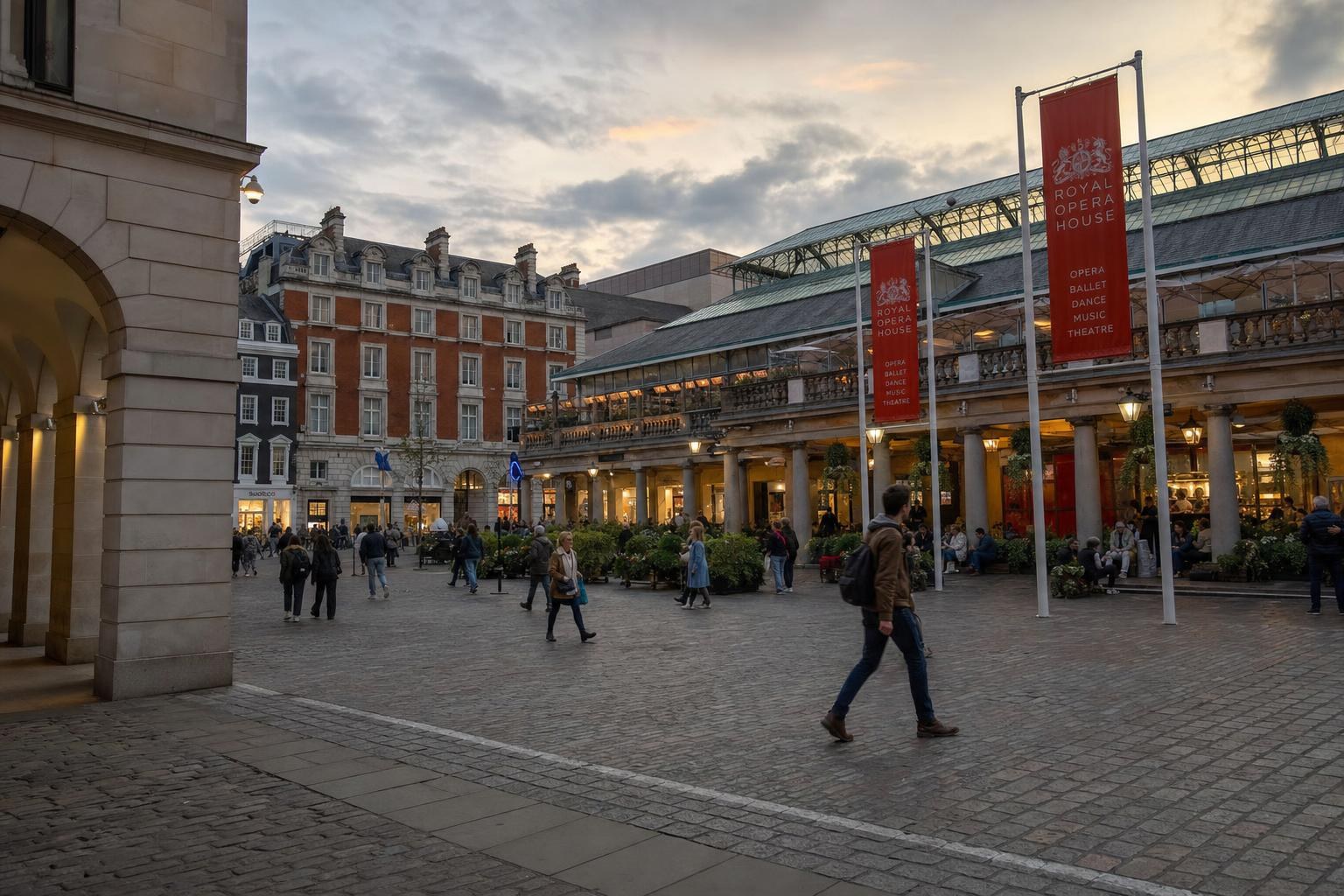
London’s West End is the capital’s entertainment heart, renowned for its world-class theatre scene (think Theatreland, centred on Shaftesbury Avenue), Covent Garden’s lively piazza, Soho’s nightlife and Chinatown’s eateries. Oxford Street and Regent Street, London's flagship shopping streets, also run through this district. Staying here keeps you footsteps from the action—ideal for show-going, shopping sprees, and buzzing evenings, with London’s major sights only a short Tube ride away. The entire West End sits within Zone 1, offering the swiftest access to the city’s core and reliable Night Tube connections for late-night returns.
Area Highlights:
- Theatreland (including Leicester Square)
- Covent Garden (market, dining, street acts)
- Soho (bars, nightlife, LGBTQ+ scene)
- Oxford/Regent Street shopping
2. For Museums & Family Days: South Kensington and Kensington
If your itinerary is focused on iconic museums and leisurely park visits, South Kensington is an excellent choice. The area is home to the Natural History Museum, Science Museum, and Victoria and Albert Museum—offering easy morning strolls to world-class cultural attractions. Kensington Gardens and Hyde Park are within walking distance for outdoor breaks. This neighbourhood is recommended for families, owing to calm streets, access to green spaces, and practical Tube links. Both South Kensington and neighbouring Kensington are in Zone 1, with fast direct journeys to other major districts.
Area Highlights:
- Natural History Museum
- Science Museum
- Victoria and Albert Museum
- Kensington Gardens and Hyde Park
3. For Contemporary Culture & Nightlife: Shoreditch, Hoxton, Brixton & Clapham
Travellers who want to explore London’s creative currents should look beyond the classic tourist centre. East London’s Shoreditch and Hoxton brim with independent galleries, pop-up events, open-air markets, and cutting-edge street art. Head south to Brixton and Clapham for legendary live music venues, international street food, and authentic neighbourhood energy. These areas balance a distinctive local feel with good transport links to central London. Shoreditch/Hoxton hug the border of Zones 1 and 2 (see TfL maps), while Brixton and Clapham are in Zone 2, making them straightforward bases for visitors who want culture by day and nightlife by night, but don’t mind a short Tube or rail ride to heritage sights.
Area Highlights:
- Shoreditch: street art, bars, food markets
- Hoxton: galleries, vintage shops
- Brixton: music venues, markets
- Clapham: lively commons, café culture
4. For Riverside Culture or Business: South Bank & Canary Wharf
Looking for striking riverside walks, major event venues, or proximity to business meetings? The South Bank stretches along the Thames, with landmarks including the London Eye, Southbank Centre, National Theatre, and Tate Modern—ideal for visitors keen to mix arts and sightseeing in a scenic setting. This Zone 1 area links to Westminster and Waterloo. Further east, Canary Wharf delivers striking modernity, with landmark skyscrapers, upmarket hotels, and riverside paths. It is in Zone 2 (with expansive Docklands Light Railway and Elizabeth line access), and provides a logical base for business travel or those who prefer contemporary over historic surroundings.
Area Highlights:
- South Bank: theatres, arts centres, river walk
- Canary Wharf: business, waterside dining, DLR & Elizabeth line access
5. For Village Atmosphere & Green Escapes: Hampstead, Greenwich, Richmond
If you prize leafy landscapes and relaxed community vibes, several well-connected areas stand out. Hampstead’s hilltop setting, extensive Heath, and quiet lanes offer a retreat in North London (Zone 2), while Greenwich and Richmond—known for grand parks, riverside walks, and historic markets—lie further from the centre but offer a rewarding blend of nature and culture. These areas are more suited to longer stays or repeat visitors who want sightseeing with a side of greenery, and are all accessible via Tube, DLR, or National Rail from central London.
Area Highlights:
- Hampstead Heath: expansive parkland, village feel
- Greenwich: maritime history, riverside parks, markets
- Richmond: riverside, grand parks, stately homes
How to Pay for Transport
TfL allows visitors to pay for travel on the Tube, bus, tram, DLR, London Overground and some National Rail routes using Oyster cards, contactless credit/debit cards, or other accepted visitor tickets. Most services operate seamlessly across Zones 1–2, where the majority of visitor attractions and recommended bases are found. Some products are specifically tailored for visitors, but always verify the latest payment options and purchase process on TfL’s official site before travel.
Travel at Night
Several Underground and Overground lines operate Night Tube services on select nights, letting you return to your base after late events with ease, particularly in central and entertainment districts. Always consult the latest TfL maps and service updates for details on what lines and stations are included in the current Night Tube network.
Neighbourhood Selection: Essential Planning Advice
- Prioritise Zones 1 or 2 for the most efficient sightseeing and shortest journey times.
- For mixed itineraries (theatre one evening, museums the next day), seek overlap areas such as Bloomsbury, Marylebone, or Waterloo, which connect well in multiple directions.
- Always consult the latest official Tube map to check your chosen area’s zone and proximity to useful stations.
- Arriving by air? Check if your base connects directly to an airport rail/TfL link for convenient transfers.
- For families, minimising transfers—especially with young children—can make the trip significantly smoother. Staying within walking distance of your top attractions is worth the slight premium.
London’s energy comes from its diverse neighbourhoods. Choose a base that fits your style and trip goals, and use the city’s transport structure to make the most of your days and nights.
Key takeaways
- London’s attractions are spread widely; neighbourhood choice determines journey times and convenience.
- Most first-time visitors benefit from staying in Zones 1 or 2 for shortest commutes.
- The West End (Zone 1) is ideal for theatre, shopping and nightlife.
- South Kensington suits families and museum-goers seeking calm and culture.
- Shoreditch, Hoxton, Brixton, and Clapham are best for nightlife and local creativity.
- South Bank and Canary Wharf cater to riverside strolls, arts, and business travel.
- TfL’s transport zones and visitor payment options make travel flexible—be sure to consult their maps and up-to-date fare guidance.
- Direct airport-to-city connections exist from several major stations; check transfers when booking.
Comparisons & planning
| Travel Style | Neighbourhood Example | Main Sights/Features | Transport Zone | Nearest Tube/Station | Key Planning Note |
|---|---|---|---|---|---|
| Theatre & Shopping | West End/Covent Garden | Theatreland, Soho, Shopping | Zone 1 | Covent Garden, Leicester Sq | Very central with Night Tube |
| Museums & Families | South Kensington | Natural History, V&A, Parks | Zone 1 | South Kensington | Walk to museums, green spaces |
| Nightlife/Street Culture | Shoreditch/Hoxton | Street art, Markets, Bars | Zone 1/2 | Old Street, Shoreditch High St | Creative scene, short Tube ride |
| Nightlife/Street Culture | Brixton/Clapham | Music, Markets, Food | Zone 2 | Brixton, Clapham Common | Neighbourhood vibe, quick to centre |
| Riverside/Business | South Bank | London Eye, Southbank Centre | Zone 1 | Waterloo, Embankment | Arts & riverside walks |
| Business/Riverfront | Canary Wharf | Modern skyline, DLR, River | Zone 2 | Canary Wharf | Direct connections to East London |
Travel checklist
- Identify your top daily activities or must-see sights before choosing a neighbourhood.
- Consult the official TfL Tube map to locate your desired base within a suitable travel zone.
- Confirm if your area has direct transport links to Heathrow, Gatwick, or other major airports if relevant.
- For late-night plans, verify Night Tube lines and local station coverage.
- Families: Choose an area within walking distance of parks or museums for easier outings.
- Check current travel payment options for visitors at the TfL official website prior to arrival.
Frequently asked questions
How do I choose the best area to stay in London?
Consider your main interests and daily plans. If you’re focused on theatre and shopping, stay in the West End. For museum visits and green space, South Kensington is ideal. Nightlife lovers should look at Shoreditch or Brixton, while those seeking riverside culture or business proximity might pick South Bank or Canary Wharf. Check the transport zone to ensure you’re close to key attractions.
What are London’s transport zones and why do they matter for visitors?
London’s transport network is divided into numbered zones radiating from the centre (Zone 1 to 9). Most main attractions are in Zones 1–2. The further out your base, the longer your daily travel times and the more important good transport links become. Staying in Zones 1–2 generally shortens commutes and optimises sightseeing.
How do visitors pay for transport in London?
Transport for London (TfL) allows visitors to use Oyster cards, contactless credit/debit cards, or select paper tickets for travel on the Tube, buses, DLR, London Overground and some National Rail services. Check TfL’s official visitor travel pages for up-to-date payment methods and instructions.
Are there late-night transport options in London?
Select London Underground and Overground lines offer Night Tube services on certain nights, making late returns possible from central and entertainment districts. Consult the latest TfL Night Tube maps and schedules for your chosen base.
Has anything here changed?
Help us keep these practical details accurate.
Sources and research notes 4 sources
Based on official source material. Check provider websites for changing visitor details.
Conversation
Sign in or create an account to join the conversation.