Destinations
Urban Wilds: A Practical Route to Jamaica Bay and Gateway’s Coastal Refuges in New York City, United States
Discover a different side of New York City by exploring the Jamaica Bay Unit of Gateway National Recreation Area. This guide covers unique natural sites, practical routes, and tips for connecting from Manhattan, Brooklyn, or Queens for an urban-meets-nature adventure.
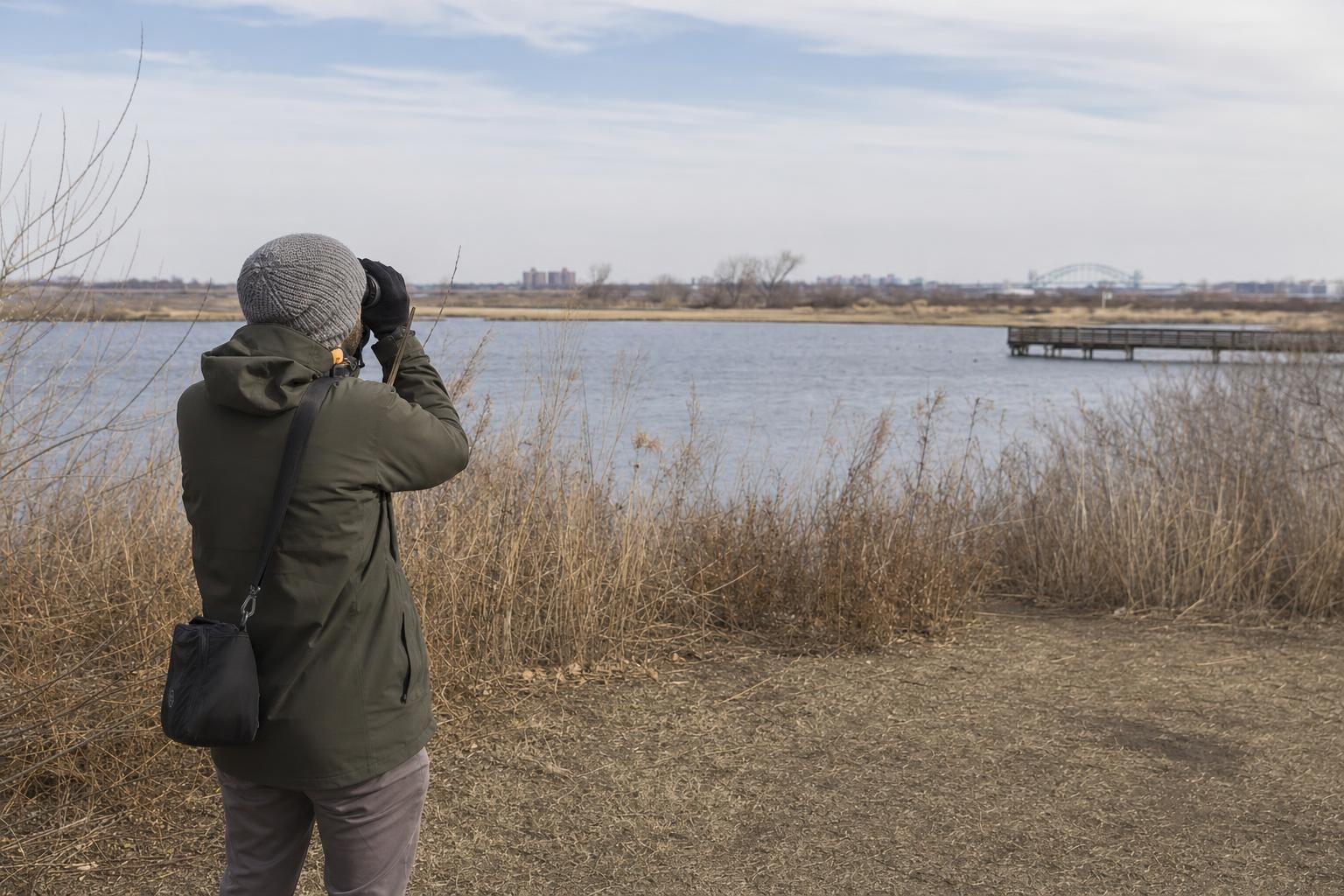
AI illustration · Wardhead AI · AI-generated illustration
Experience New York City Beyond the Skyline
Most visitors to New York City think of the skyline, green city parks, and cultural icons. Yet, on the metropolis’ southern fringe lies one of the largest and wildest open spaces found within a major US city: the Jamaica Bay Unit of Gateway National Recreation Area. Stretching across parts of Brooklyn and Queens and framing the edge of the Atlantic, this area presents an urban wilds experience rich in birdlife, saltmarsh vistas, and shoreline diversions – all within city reach.
What Is the Jamaica Bay Unit?
The Jamaica Bay Unit is a collection of unique sites managed by the National Park Service (NPS) as part of Gateway National Recreation Area. It features marshlands, islands, meadows, beaches, and historic grounds, offering escapes into nature rarely found so close to a dense urban core. Whether you’re after migrating songbirds, coastal breezes, aviation relics, or a stroll on the sand, each sub-area reveals a different aspect of New York’s natural and historic heritage.
Key Sites in the Jamaica Bay Unit
Jamaica Bay Wildlife Refuge
This vast urban refuge covers saltmarsh, brackish and freshwater ponds, upland fields, and woods. With more than 300 bird species recorded, the area is notable for spring and fall migrations. Several loop trails and designated viewpoints make it a magnet for birders, walkers, and anyone curious about New York City’s untamed side. The NPS Visitor Contact Station is a reliable orientation point for trail information and recent wildlife sightings.
Floyd Bennett Field
Once New York's primary municipal airport, Floyd Bennett Field now offers over 1,300 acres of grassy runways, wide-open fields, and wooded corners. The historic Ryan Visitor Center introduces both the airfield’s history and local natural history. Trail networks and shoreline access encourage exploration on foot or bike, with plenty of space for quiet recreation.
Fort Tilden
At the coast, Fort Tilden brings together a mosaic of sand dunes, forest patches, defense-era bunkers, and Atlantic beachfront. Trails wind between historic ruins and natural habitats, ending on broad, often tranquil sandy stretches. The site is appreciated for both its military heritage and more secluded beach feel compared to other city shores.
Jacob Riis Park and Plumb Beach
For classic surf and sand, Jacob Riis Park offers a wide Atlantic-facing beach and a historic Art Deco bathhouse. Plumb Beach, by contrast, faces the bay and is known for wind sports and unique coastal ecology. Both options make for a refreshing detour, and their varying settings ensure something for swimmers, walkers, and water-sports enthusiasts alike.
Logical Area Pairings for Exploration
Due to the distances and distinct character of each area, most visitors select one or two sites per outing. Here are practical combinations:
- Jamaica Bay Wildlife Refuge + Floyd Bennett Field: Start with birding and marsh-trail loops, then shift to grasslands and aviation history just across the bay.
- Fort Tilden + Jacob Riis Park: Pair historic coast with seaside walks and beach access, suitable for a full coastal day trip.
- Plumb Beach or Canarsie Pier: Take a shorter trip focused on fishing, wind sports, or quiet shoreline exploration.
Getting There and Around: Planning Your Route
Public Transit
The NPS directs visitors to the Metropolitan Transportation Authority (MTA) as the most reliable planning tool. Subway and bus connections run from Manhattan, Brooklyn, and Queens towards most Jamaica Bay Unit access points, but transfers and short walks may be required. Use the MTA TripPlanner or call 511 prior to travelling for precise updates – routes and frequencies can change.
Cycling
Cycling offers flexibility, especially for connecting Floyd Bennett Field, Plumb Beach, and Riis Park via the Marine Parkway-Gil Hodges Memorial Bridge. Expect mixes of city streets and protected paths depending on your route. Bike parking is available at most major sites.
Driving
Designated parking lots serve the major points: Jamaica Bay Wildlife Refuge, Floyd Bennett Field, Jacob Riis Park, and Fort Tilden. Always check official NPS parking maps, as availability and access may change due to conservation work or the season.
Permits, Activities, and Conservation Notices
Most sites are open for day visits without advance booking. Some activities like group events or fishing may require permits; contact the Gateway NRA permit office using up-to-date numbers provided by the NPS. Access to particular trails or beaches might be limited due to shoreline erosion or site conservation efforts—always review official NPS alerts for the latest site-specific advisories before visiting.
Wildlife Highlights and Best Seasons
Birdwatching is at its peak during spring and fall migration, as hundreds of species pass through the refuge. Wildflowers, meadow habitat, and saltmarsh scenes are most accessible from late spring through summer. Site rangers at main visitors’ centers offer updates on recent wildlife and trail conditions.
Combining Urban and Wild: Route Suggestions
For a memorable “city to coast” day, begin in Manhattan or Brooklyn at a classic green space—such as Central Park or the Brooklyn Botanic Garden—before venturing out to the wilder Jamaica Bay coast. Contrasting the manicured landscapes of New York's best-known parks with the tidal marshes and open meadows of Jamaica Bay illustrates the city’s ecological diversity.
Planning Essentials and Next Steps
- Consult the official NPS direction and planning pages for every Jamaica Bay area you wish to target; routes, parking setup, and available amenities may differ.
- Before your trip, review NPS site-advisory or plan-ahead updates, as beach or trail access may shift with ongoing conservation or weather events.
- For public transit, check MTA and NYC Ferry operator timetables close to your travel date.
- If considering a group activity or specialist pursuit like birding walks or bay fishing, contact the NPS Gateway permit office well in advance for recommendations on current rules and required authorizations.
Jamaica Bay’s coastal mosaics offer an immersive, refreshingly wild alternative to busy city parks—yet remain readily accessible via thoughtful routing and official guidance. Whether you’re aiming for birds, breezes, or urban adventure with a new perspective, this is a corner of New York City still shaped by wind, tide, and the sweep of Atlantic history.
Key takeaways
- Jamaica Bay Unit includes diverse marshes, meadows, beaches, and historic sites managed by the National Park Service.
- Key sites: Jamaica Bay Wildlife Refuge, Floyd Bennett Field, Fort Tilden, Jacob Riis Park, and Plumb Beach.
- Birding and wildlife viewing are exceptional, particularly during migration seasons.
- Public transit, cycling, and driving are practical options; plan routes using MTA and NPS directions.
- Permit requirements may apply for fishing and group activities; check official NPS resources.
- Check for up-to-date site access, trail, and beach advisories before your visit.
Comparisons & planning
| Site | Type | Key Features | Recommended Activities | Access Mode | Visitor Center |
|---|---|---|---|---|---|
| Jamaica Bay Wildlife Refuge | Wildlife Refuge | Saltmarsh, ponds, uplands | Birdwatching, walking, photography | Transit, drive, cycle | Yes |
| Floyd Bennett Field | Historic Grassland | Meadows, runways, woodlands | Walking, cycling, aviation history | Transit, drive, cycle | Yes (Ryan Visitor Center) |
| Fort Tilden | Coastal Defense | Beach, dunes, historic bunkers | Beach walks, history, nature viewing | Drive, cycle, seasonal transit | No |
| Jacob Riis Park | Ocean Beach | Sandy beach, boardwalk, bathhouse | Swimming, walking, relaxation | Transit, drive, cycle | No |
| Plumb Beach | Bay Shoreline | Open shoreline, windsurfing area | Windsports, shoreline walks | Drive, cycle, limited transit | No |
Travel checklist
- Choose which Jamaica Bay Unit areas to visit, considering your interests (birding, historic sites, beaches, etc.).
- Check the official NPS Jamaica Bay directions and plan-ahead pages.
- For public transit, use MTA TripPlanner or call 511 for current options.
- Bring binoculars or a camera if planning to view wildlife.
- Check official NPS advisories for site-specific access and any restrictions.
- If driving, review NPS area parking maps and check for current availability.
- Contact the NPS permit office ahead of time for fishing or group events.
Frequently asked questions
What makes Jamaica Bay Wildlife Refuge unique within New York City?
It is one of the largest protected saltmarsh and pond complexes in a major US city, renowned for its bird diversity (over 300 species recorded) and tidal habitats within NYC.
How do I get to Jamaica Bay Unit sites by public transit?
The NPS advises using the NYC MTA network; consult the MTA TripPlanner or call 511 for current bus and subway connections to area trailheads and entrances.
Are permits required for activities at Jamaica Bay sites?
Some activities such as group events or fishing require permits, managed by the NPS Gateway office. Check official NPS permit and directions pages for current details.
Can I combine city parks like Central Park with Jamaica Bay in one trip?
Yes; many visitors spend part of a day in Central Park or Brooklyn Botanic Garden and then travel out to Jamaica Bay for a contrasting urban-to-wild experience.
Has anything here changed?
Help us keep these practical details accurate.
Sources and research notes 4 sources
Based on official source material. Check provider websites for changing visitor details.
Conversation
Sign in or create an account to join the conversation.