Destinations
Coastal Kyoto Walks: Linking Amanohashidate, Ine’s Funaya, and Yuhigaura — A “Kyoto by the Sea” Route
Explore a distinctive route along Kyoto's northern coast, connecting the pine-clad sandbar of Amanohashidate, the unique waterfront village of Ine with its iconic funaya boat-houses, and the sunset beaches around Yuhigaura. This guide details scenic highlights, transport connections, and practical tips for experiencing coastal Kyoto beyond its famous city center.
AI illustration · Wardhead AI · AI-generated illustration
Discovering Kyoto typically conjures images of ancient temples and busy city districts. Yet, for travelers seeking scenic horizons and authentic local character, the northern coast of Kyoto Prefecture—marketed as “Kyoto by the Sea”—offers a remarkably different experience. This focused route links three of the most distinctive stops in the area: Amanohashidate, Ine’s funaya, and Yuhigaura, each recommended by official tourism sources for their unique landscapes and seaside atmosphere.
## Introduction: Why Explore Coastal Kyoto?
Kyoto Prefecture’s northern boundary meets the Sea of Japan, where visitors can find striking coastal views, quiet fishing villages, and leisurely beaches. This stretch—from Miyazu Bay through the bay-facing hamlet of Ine to the open beaches near Kyotango—forms an officially promoted cluster distinct from inland Kyoto. Official Japan National Tourism Organization and Kyoto tourism office materials commonly reference these northern spots as a ‘coastal Kyoto’ destination.
Amanohashidate: The Signature Sandbar
Often listed among Japan’s top scenic views, Amanohashidate (‘bridge in heaven’) is a three-kilometer sandbar covered in pine trees, crossing Miyazu Bay. It forms the core attraction in the region, celebrated for sweeping views from the surrounding headlands. Summary points from official sources:
- **Scenic highlight**: A natural pine-covered sandbar, viewable from hillside parks or by walking/cycling across.
- **Activities**: Stroll or rent bicycles along the sandbar, or ascend a nearby hill (with chairlift or cable car) for the famed ‘upside-down’ viewing spot, as featured across visitor materials.
- **Access**: Readily reached via JR West and Kyoto Tango Railway trains from Kyoto city, or by highway bus, as described in downloadable Kyoto access guides. Miyazu and Amanohashidate stations serve as local transfer points.
Ine: The Village of Funaya Boat-Houses
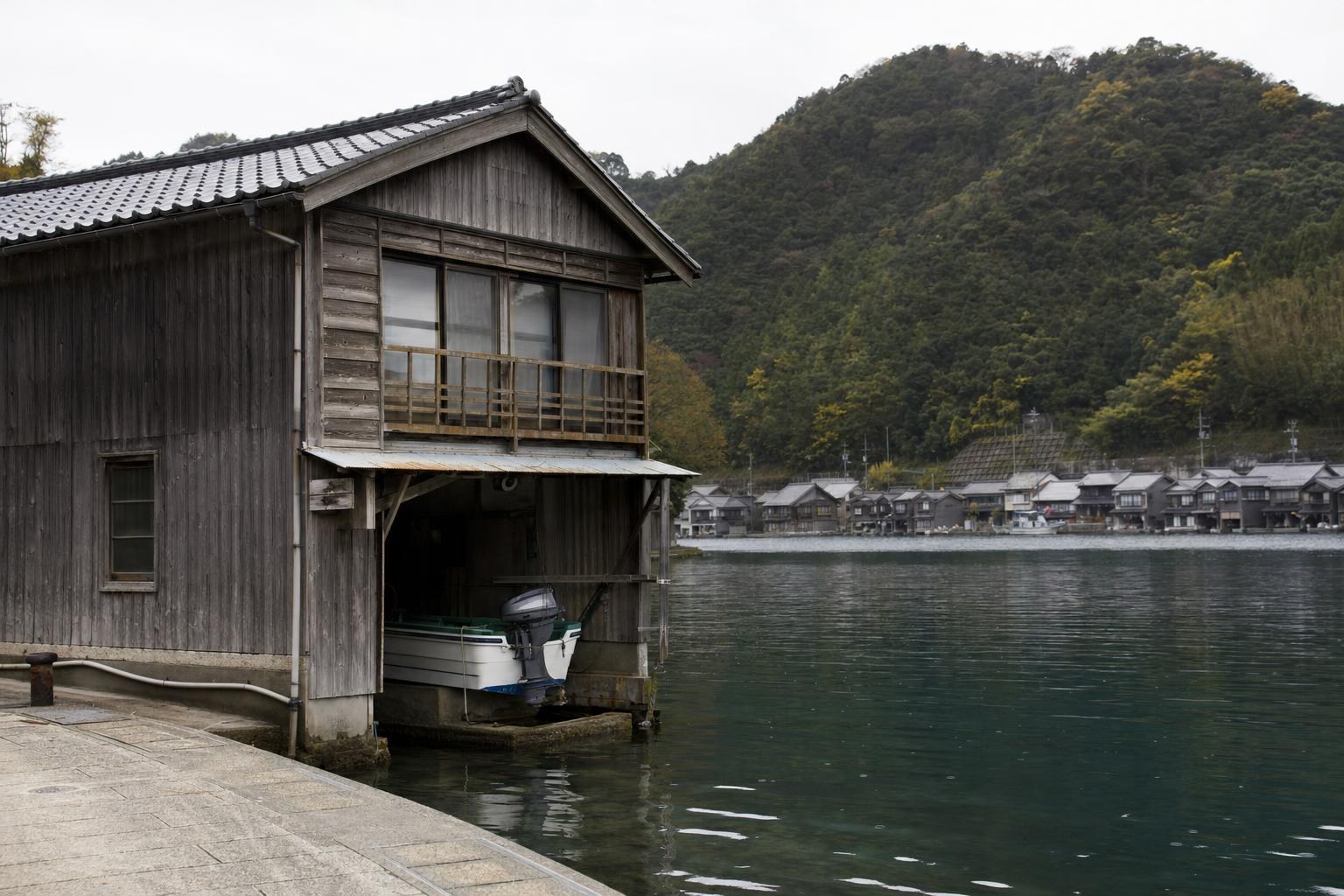
About an hour northeast of Amanohashidate by regional bus or car, the fishing village of Ine is famed for its 230+ waterfront funaya: traditional wooden boat-houses where the lower floor shelters boats and the upper serves as a living space. This arrangement lines the crescent-shaped inlet, creating a unique streetscape promoted as an authentic seaside experience.
- **Visual motif**: Rows of boat-houses with direct water access, as seen in official tourist materials.
- **Village atmosphere**: Sheltered bay, small fisherman’s shrines, and side roads winding along the water’s edge.
- **Local beaches**: Ine Bay’s quiet water is bordered by small stretches of pebble and sand such as Tomari Beach, referenced in destination materials for their peaceful seaside appeal.
- **Getting there**: Bus links run from Amanohashidate to Ine (check local timetables via the official FAQ and Kyotango transport guides for seasonal service hours). The route is short, typically under an hour, but precise schedules are best checked on arrival.
Yuhigaura and the Kyotango Coast: Sunset Beaches
West from Amanohashidate and Miyazu, the Kyotango coast features a series of sandy beaches and sunset viewpoints. Yuhigaura, specifically cited in Japan National Tourism Organization and Kyoto travel guides, is noted for its photographic sunsets and relaxed shoreline walks.
- **Scenic attractors**: Expansive sandy beaches, calm waves, and wide open skies—especially striking at day’s end.
- **Activities**: Sunbathing (in designated areas), shoreline walks, and locally organized stand-up paddleboard sessions are highlighted in official regional guides.
- **Nature context**: This coast is part of the San’in Kaigan National Park landscape, offering a sense of preserved natural coastline.
- **Transfers**: Local bus routes connect Kyotango beaches to Miyazu and Amanohashidate. Service levels may vary seasonally; consult official Kyotango/navi resources or visitor centers for current options.
Suggested Route Logistics
A typical route, as supported by official travel guides, might flow as:
- **Start at Amanohashidate** — Take an early train from Kyoto city to maximize exploration time (about 2 to 2.5 hours depending on train/class).
- **Cross or view the sandbar** — Walk, cycle, or view from the headlands.
- **Continue to Ine** — Catch a regional bus (board schedules via local visitor centers or official FAQ sites) to the funaya village; enjoy waterside strolls.
- **Move onward to Kyotango/Yuhigaura** — Return by bus to Miyazu or Amanohashidate, then transfer to Kyotango region buses for the final beach stop and sunset.
Some travelers may prefer to base themselves overnight in one area and visit the others as day trips, depending on bus schedules and seasonal operating hours.
Practical Planning Tips
- **Transport**: The area is best navigated by public transport, mixing JR West/ Kyoto Tango Railway trains and regional buses. Scheduling can be tight, particularly outside summer. Obtain the latest timetables at visitor centers or using downloadable access PDFs cited by Kyoto Tourism.
- **Weather and Season**: The northern coast experiences chilly winters and mild summers; best walking weather is late spring through early autumn. Swimming is only recommended at managed beaches, and beach offerings are seasonal.
- **Visitor Resources**: Official PDFs, FAQs, and Kyotango/Navi operator links (including current local timetables and access notes) are promoted in all cited Kyoto tourism resources; these remain the authoritative sources for current details.
- **Photography**: Head for Amanohashidate’s southern and northern viewing platforms for the classic sandbar shot; in Ine, early morning or late afternoon provides the best waterside light; Yuhigaura’s sunsets are regionally famous and anchor local beach photography recommendations.
- **Accessibility**: These northern towns and beach areas are less crowded than urban Kyoto, offering a slower-paced itinerary and immersion in a less commercialized, rural side of Japan’s Kansai region.
What Remains Unverified
Official information does not supply live bus/train frequencies, fare/current ticket prices, or seasonal opening status for each beach at time of writing. For exact and up-to-date planning, consult the operator resources and links provided in the Kyoto tourism PDFs and FAQ.
Conclusion: Experience Kyoto’s Coast as a Linked Route
Stringing together Amanohashidate, Ine, and Yuhigaura presents ‘Kyoto by the Sea’ as a compelling counterpoint to Kyoto’s city center. This coastal circuit combines easy walking, unique local scenery, and a gentle rhythm of life, all on routes directly referenced by official visitor guides. For a taste of Kyoto beyond temples and crowds, northern Kyoto’s seaside offers an experience rooted in nature, tradition, and scenic tranquility.
Key takeaways
- Amanohashidate, Ine, and Yuhigaura form a distinct ‘Kyoto by the Sea’ cluster promoted in official visitor guides.
- Amanohashidate’s sandbar and headland views offer one of Japan’s signature scenic landscapes.
- Ine is celebrated for its funaya boat-houses lining a quiet bay and is accessible by local bus from Amanohashidate.
- Yuhigaura and the Kyotango coast offer wide beaches famed for sunsets and are part of a national park landscape.
- Public transport links—including JR West, Kyoto Tango Railway and local regional buses—are key for exploring the coastal route.
- Official Kyoto tourism materials and local visitor centers are the recommended sources for current timetables and beach opening info.
Comparisons & planning
| Location | Key Feature | Visual Motif | Access (from Kyoto) | Recommended Activity |
|---|---|---|---|---|
| Amanohashidate | Pine-covered sandbar | Sandbar from headlands | JR West/Kyoto Tango Railway or highway bus | Walk/cycle, panoramic views |
| Ine | Funaya boat-houses | Waterfront wooden houses | Regional bus from Amanohashidate/Miyazu | Village walk, boat house photography |
| Yuhigaura / Kyotango | Sunset beaches | Wide sandy shorelines | Local bus from Miyazu/Amanohashidate | Beach walks, sunset viewing |
Travel checklist
- Download the official Kyoto access PDF for up-to-date routes and operator links.
- Check current bus and train timetables for each leg before travel, especially for Ine and Kyotango beaches.
- Plan your route to begin at Amanohashidate for morning light and move westward for a sunset finish at Yuhigaura.
- Wear comfortable footwear for sandbar walks and allow time for photography at scenic points.
- Consult Kyotango/navi or city tourism sites for seasonal activities around Yuhigaura and Kyotango coast.
- If visiting outside peak summer, confirm local beach opening dates and transport availability.
- Visit local visitor centers in Amanohashidate, Ine, or Kyotango for on-the-ground advice and any schedule changes.
Frequently asked questions
How do I travel from Kyoto city to Amanohashidate?
Official Kyoto tourism guides detail two main rail options: JR West trains transfer at Fukuchiyama to the Kyoto Tango Railway for Amanohashidate Station, or direct highway buses run from Kyoto Station to Miyazu/Amanohashidate. Detailed route diagrams and sample timetables appear in downloadable PDFs from the Kyoto tourism office.
Is it possible to visit Amanohashidate, Ine, and Yuhigaura in one day?
Visiting all three in a single day is ambitious but can be done using early trains and careful bus transfers. Expect a packed schedule; overnighting in Miyazu, Ine, or Kyotango allows for a more relaxed pace and better appreciation of sunsets and local scenery.
Are the beaches in Kyotango and Yuhigaura open year-round?
Official tourism sources note that beaches are accessible for walks and photography throughout the year, but designated swimming areas and beach services operate seasonally. For current opening periods and safety notices, consult Kyotango/navi or local visitor centers as referenced in Kyoto’s official FAQ.
Where can I find the latest local bus and beach access information?
The most up-to-date transport and beach details are available via downloadable PDFs and official regional guides from Kyoto tourism. Local visitor centers and the Kyotango/navi websites, as referenced in Kyoto’s official FAQ, provide the latest schedules and practical information.
Sources and research notes 2 sources
Based on official source material. Check provider websites for changing visitor details.
Conversation
Sign in or create an account to join the conversation.