Destinations
Where to Base in Tokyo: Comparing Asakusa, Shinjuku, and Ueno for Tradition, Trend, and Transit
Tokyo offers distinct neighbourhood experiences for visitors. This guide helps you choose the best area—Asakusa, Shinjuku, or Ueno—based on tradition, nightlife, culture, and transport connections, using only official Japanese tourism sources.
AI illustration · Wardhead AI · AI-generated illustration
Understanding Tokyo's Neighbourhoods
Tokyo, Japan, is a vast metropolis woven from a tapestry of neighbourhoods, each shaped by its history, atmosphere, and transport options. Unlike cities with a single obvious centre, Tokyo presents a network of hubs—choosing where to stay can dramatically affect your experience and your daily pace. Official Tokyo visitor materials suggest thinking in terms of these clusters, identifying the distinct character, major attractions, and practical pairings available within each area.
Three of the city’s most visited and distinct bases are Asakusa (tradition), Shinjuku (urban energy and connections), and Ueno (culture, parks, and markets). Each offers unique advantages for different trip styles, as documented in official area guides and maps.
Asakusa: Riverside Tradition and Old-Tokyo Character
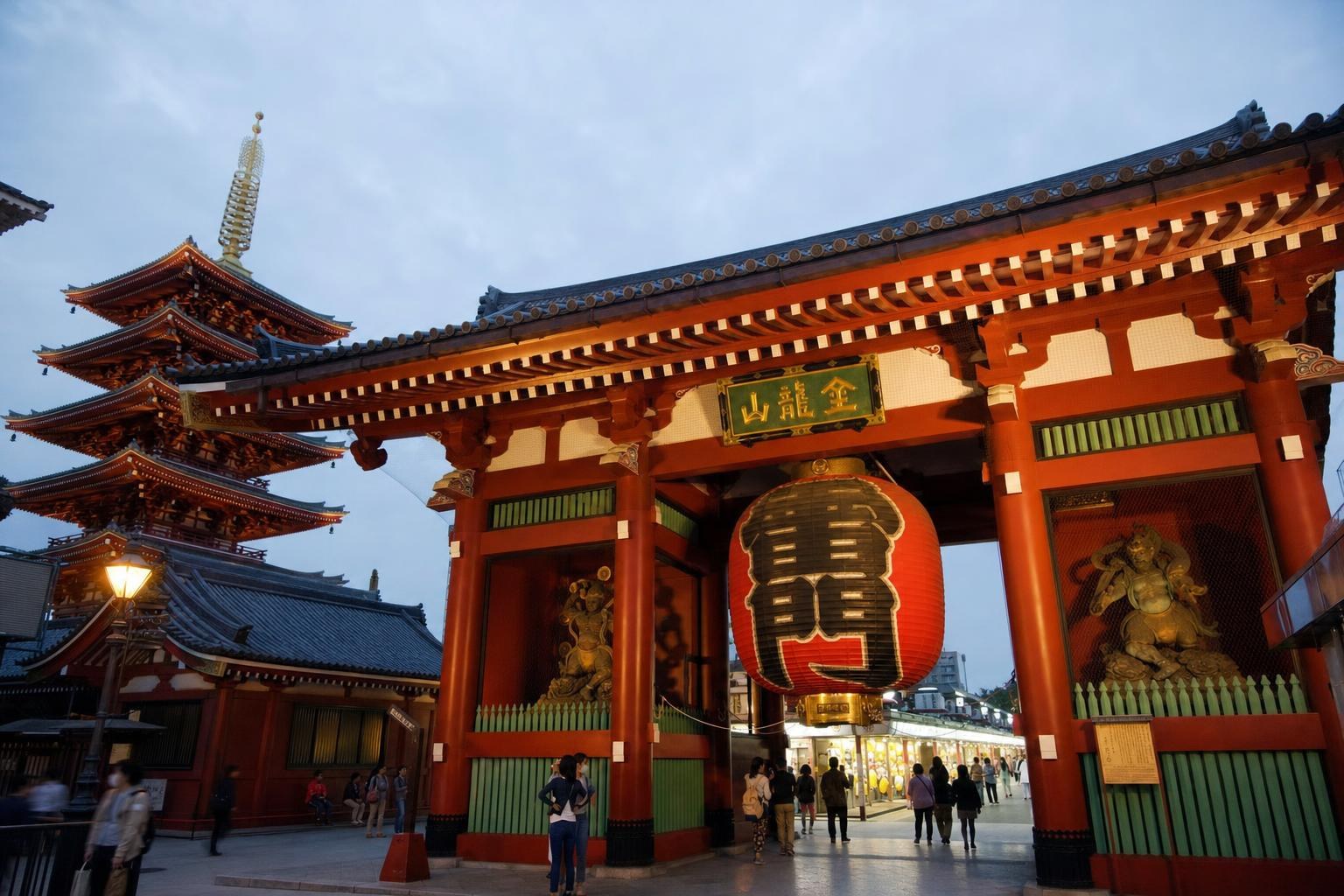
Asakusa is Tokyo’s gateway to history and heritage. At its heart stands Sensoji Temple, the city’s oldest and most celebrated Buddhist temple, marked by the dramatic Kaminarimon, or Thunder Gate. Nakamise Shopping Street stretches from the gate, offering street snacks, local crafts, and traditional souvenirs. This neighbourhood’s smaller lanes are filled with mom-and-pop shops and classic izakaya.
Asakusa also lies beside the Sumida River, with easy access to riverside walks and pleasure-boat cruises, and provides a slower tempo than Tokyo’s busiest commercial districts. The area is often recommended for visitors seeking a glimpse of "old Tokyo"—a base where historic atmosphere is just outside your door.
Asakusa Station is a hub for several major transit lines: the Tokyo Metro Ginza Line, Toei Asakusa Line, and Tobu Skytree Line. This enables direct links to the eastern districts and the iconic Tokyo Skytree (via Oshiage), making neighbourhood pairings and day trips eastward straightforward. The neighbourhood’s official guides also suggest combining temple visits with river cruises and excursions to nearby culture-focused areas.
Shinjuku: Mega-Hub for Transit, Shopping, and Nightlife
For visitors who crave variety, Shinjuku offers more than any single district in Tokyo: colossal shopping complexes, electronics superstores, government towers with observation decks, entertainment streets, and one of the city’s largest green spaces (Shinjuku Gyoen National Garden).
Shinjuku Station is renowned as the world’s busiest, where multiple Japan Railways (JR) lines—including the Yamanote loop—meet with several private railways (Keio, Odakyu) and Tokyo Metro/Toei subway lines. This makes Shinjuku the most versatile base for citywide exploration. The station complex can feel overwhelming—official guides note its "labyrinthine" structure and suggest allowing some extra time for navigation, especially during morning rush hour.
Around the station, department stores (Isetan, Odakyu, Takashimaya) and entertainment districts such as Kabukicho and Golden Gai pulse with activity day and night. For those wanting flexible access throughout Tokyo, late-night dining, and endless shopping and nightlife possibilities, Shinjuku is the clear all-rounder, suited to fast-moving itineraries and groups with varied interests.
Ueno: Culture, Parkland, and Market Life
North of the city centre, Ueno is centred on Ueno Park—a spacious green expanse known for cherry blossom displays and home to many of Tokyo’s top cultural sites. Here you’ll find the Tokyo National Museum, Ueno Zoo, and several important art and science museums, making it particularly attractive to culture lovers and families.
Just south of the park lies Ameyoko, a lively street market district where bargain shops and colorful food stalls stretch beneath the train lines. This blend of refined museums and bustling street commerce creates a distinctive daily rhythm: parkland calm paired with vibrant market energy.
Ueno Station is a practical gateway both for central sightseeing and onward journeys to northern Japan. It is served by JR lines and the Tokyo Metro, and also connects to airport express services (notably the Keisei Skyliner from Narita), making it appealing to international visitors who prioritize straightforward airport transfers or plan to travel northward by train.
Alternative Base Comparisons
While Asakusa, Shinjuku, and Ueno capture many traveller priorities, other well-defined bases may suit different tastes:
- Ginza & Nihonbashi: Official sources describe Ginza as Tokyo’s downtown luxury shopping and dining heart, suitable for visitors seeking flagship fashion, gourmet food, and historic city walks.
- Shibuya & Harajuku: For those drawn to trend-setting youth culture, vibrant fashion, and nightlife, guides recommend the Shibuya–Harajuku corridor, which is linked by the Yamanote Line and popular for contemporary urban exploration.
Transport Practicalities for Each Base
Tokyo’s public transportation is extensive and seamless, operated by a network of JR lines, private trains, and subway providers (Tokyo Metro and Toei). IC smartcards are the norm for local travel (for example, Suica and Pasmo). All three bases—Asakusa, Shinjuku, and Ueno—have their own merits for navigating the city’s transit maze:
- Asakusa: direct subway services link the area to eastern Tokyo and popular landmarks like the Tokyo Skytree.
- Shinjuku: ultimate hub for quick access in any direction, including express bus and Shinkansen routes at nearby stations; best for those with ambitious, multi-neighbourhood daily plans.
- Ueno: easiest base for museum days, cherry blossom walks, or Ameyoko market strolls, and handy for airport-bound or northbound trains via Keisei and JR services.
Official Planning Suggestions and Area Pairings
According to official visitor resources, neighbourhoods naturally pair for walking and low-friction day itineraries. For example:
- Stay in Asakusa to combine riverside tradition, temple visits, and quick Skytree excursions.
- Choose Shinjuku if your days mix shopping, gardens, and nightlife (and you want easy hops to Shibuya and Harajuku).
- Base in Ueno for museum visits and market exploration—ideal for families, art fans, or anyone who wants mornings in parks and afternoons snacking along Ameyoko.
Key Limits of Evidence and What Remains Unverified
This guide draws on up-to-date, official Tokyo sources. Certain planning details—such as live prices, opening times, safety information, and visa rules—are not included, as these topics are either variable or outside the core content of the official area-focused pages cited. Always refer to direct official links for time-sensitive or legal guidance.
Key takeaways
- Tokyo offers distinct neighbourhoods with unique vibes and sightseeing clusters.
- Asakusa is best for traditional charm, riverside walks, and easy temple access.
- Shinjuku features unmatched rail connections, modern city life, shopping, and nightlife.
- Ueno excels for museum visits, park strolls, and lively market experiences.
- Official suggestions encourage pairing nearby sights for easy day routes from each base.
Comparisons & planning
| Feature | Asakusa | Shinjuku | Ueno |
|---|---|---|---|
| Main Attraction | Sensoji Temple, Nakamise, Sumida River | Shopping, nightlife, Shinjuku Gyoen, city views | Ueno Park, museums, Ameyoko market |
| Atmosphere | Traditional, relaxed, historic | Modern, lively, bustling | Cultural, parkland, energetic markets |
| Transport Hub | Ginza Line, Asakusa Line, Tobu Skytree Line | JR, Tokyo Metro, Odakyu, Keio, private subways | JR, Tokyo Metro, Keisei Skyliner |
| Focus Visitor | Heritage seekers, first-timers, relaxed pace | Nightlife lovers, shoppers, city explorers | Families, culture enthusiasts, market goers |
Travel checklist
- Decide whether you prefer tradition, nightlife, or culture as your daily focus.
- Consider ease of airport/train access when choosing where to stay.
- Use IC smartcards for convenient citywide train and subway travel.
- Review official area maps for suggested pairings and walking clusters.
- Book accommodations near major stations for smooth sightseeing commutes.
- Double check live opening hours and event schedules on official sites before finalizing plans.
Frequently asked questions
Which Tokyo neighbourhood is best for traditional sightseeing?
Asakusa is officially recommended for visitors seeking traditional sights, with Sensoji Temple, the Kaminarimon, and classic shopping streets offering a glimpse of old Tokyo.
Is Shinjuku the most convenient area for transport in Tokyo?
Yes. Shinjuku Station is the city’s largest transit hub with numerous JR lines, private railways, and subways, making it the most versatile for citywide exploration.
What makes Ueno a unique base for tourists?
Ueno stands out for its concentration of major museums, expansive parkland, and the energetic Ameyoko market, all within easy walking distance of the main station.
Are Tokyo’s main districts well connected for sightseeing?
Yes. Tokyo's neighbourhoods are interconnected by an efficient web of train and subway lines, with IC smartcards making transfers straightforward for most visitors.
Sources and research notes 2 sources
Based on official source material. Check provider websites for changing visitor details.
Conversation
Sign in or create an account to join the conversation.