Destinations
Sacred Streets and Shophouse Craft: A Civic‑to‑Chinatown Route Exploring Singapore’s Living Religious Architecture and Traditional Shopfronts
Discover Singapore’s layered history with a route that links the Civic District’s national monuments to Chinatown’s vibrant mosaic of religious sites and heritage shophouses. This guide follows a practical MRT and walking path showcasing the oldest temples, active mosques, and the enduring craft trades that give this city’s historic core its distinctive character.
AI illustration · Wardhead AI · AI-generated illustration
Singapore’s city centre is more than its modern skyline and cutting-edge marina. In the districts stretching from the Civic core to Chinatown, you’ll find a pedestrian-friendly tapestry of religious monuments and shophouse-lined streets that have shaped the city’s living heritage for generations. This guide maps a practical route that threads together the most architecturally significant temples, centuries-old mosques, and preserved shophouse trades, allowing visitors to experience Singapore’s culture not just as museum artefact, but as daily practice.
Civic District Gateway: Museums and National Heritage
Begin in the Civic District, the historical nucleus of Singapore’s colonial and post-independence story. Here you’ll find the National Museum of Singapore and the Asian Civilisations Museum, both highlighted on official cultural listings for their insight into the country’s layered past and the broader heritage of Asian societies. These national institutions provide the context for the multicultural urban landscape you’re about to explore.
From this cluster of state monuments and formal parks, plan your transit to Chinatown using Singapore’s efficient MRT system. Key stations to anchor your route include City Hall or Raffles Place (North–South Line), both directly connected to Chinatown or Telok Ayer stations via a single transfer or short ride on the Downtown or North-East Line, according to the Land Transport Authority’s (LTA) official maps. Contactless payment and tourist passes make these transfers smooth for visitors.
Telok Ayer: Where Early Faiths Rooted
Alight at Telok Ayer MRT station to access the edge of Chinatown, a precinct officially described as a living collage where temples, mosques, synagogues, and shophouses coexist within easy walking distance. Your first major stop is Thian Hock Keng, signposted on official tourism materials as Singapore’s oldest Chinese temple. Originally built by early Hokkien immigrants and dedicated to the sea goddess Mazu, its southern Chinese–influenced structure features elaborate porcelain roof decorations and intricate wood carvings. These elements connect today’s visitor directly with the hopes and skills of Singapore’s first Chinese merchants.
Within a short walk, the Masjid Jamae (Chulia) stands as another touchstone of multicultural Singapore. This mosque, built by Tamil Muslim traders in the 19th century, is noted for its distinctive green two-towered gateway, Indo-Islamic details, and neoclassical elements—all documented on the official VisitSingapore pages. Its active congregation and harmonious placement next to Hindu temples and Buddhist shrines illustrate the multi-faith ethos that defines this strip of downtown streets.
Chinatown’s Heritage Heart: Temples and Trades
Continue deeper into Chinatown itself, where the streets radiating from Pagoda Street reveal both tangible and intangible heritage. The Buddha Tooth Relic Temple & Museum is an unmistakable landmark with its Tang dynasty–inspired façade. Official tourism descriptions emphasize not only its status as a functional temple but also its museum, which houses a sacred relic and explores Buddhist art and ritual. In structure and activity, the temple embodies how contemporary Singapore weaves living faith into a modern city.
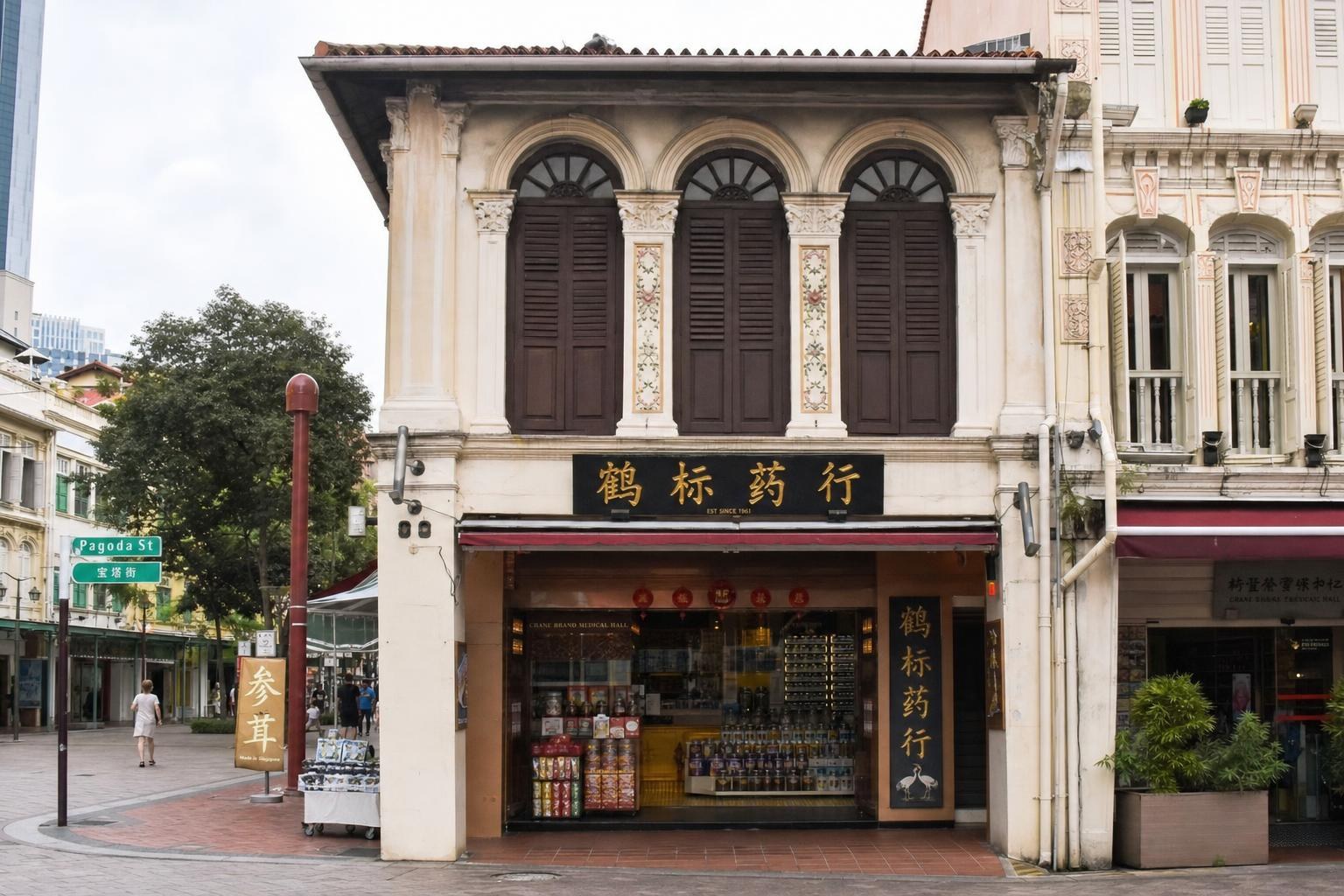
Just steps away, the shophouse-lined corridors along Pagoda and Smith Street are a study in community resilience and adaptive heritage. The conserved pre-war shophouses, featured in official promotion and digital guides, display intricate gables, pastel painted shutters, and ornate plasterwork. Today, they host a mix of traditional businesses—herbal medicine halls, joss paper workshops, bakeries, and ancestral trades—alongside newer cafés and galleries. Exploring these corridors, visitors can see first-hand how Chinatown’s artisanal and mercantile legacy is preserved not only in restored exteriors but in the continued practice of family trades.
A recommended stop for deeper discovery is the Chinatown Heritage Centre. Housed in several meticulously restored shophouses on Pagoda Street, the Centre interprets the history of Chinese migration and domestic life in Singapore with immersive settings and displays. This experience complements the living trades outside and frames your understanding of the neighbourhood’s evolving role.
Planning Your Civic-to-Chinatown Route
- Begin in the Civic District and visit one or two of the national museums for essential historical orientation.
- Take the MRT (or walk, depending on your stamina and weather) from City Hall/Raffles Place to Telok Ayer or Chinatown station. Use official LTA interactive maps for route planning. The Downtown Line stop at Telok Ayer is especially convenient for starting with the Thian Hock Keng area.
- Set out on foot: first explore Thian Hock Keng (Telok Ayer St), then a short stroll to Masjid Jamae (South Bridge Rd). Continue along South Bridge Road into the heart of Chinatown, stopping at the Buddha Tooth Relic Temple & Museum (corner of South Bridge Rd and Sago Lane).
- Dedicate time to wander the adjacent shophouse streets—Pagoda, Smith and Temple Streets—where you can browse traditional medicine halls, ceremonial goods shops, and heritage bakeries. Most are small family businesses worth visiting for both products and conversation.
- Visit the Chinatown Heritage Centre for context and historical displays, then continue exploring the atmospheric lanes where craft, street food, and preserved architecture are entwined.
Extending Your Walk: From Historic Core to Civic Greenery
For those with more time or wishing to contrast heritage with modernity, the route can be extended on foot or via a brief MRT ride to Gardens by the Bay. This large-scale park and conservatory complex in Marina Bay is described on official tourism channels as the civic scale counterpart to Chinatown’s intimate streets—it offers sweeping views, futuristic glass domes, and nightly Supertree light displays, rounding out Singapore’s story of tradition and innovation.
Practical Tips and Map Resources
- Consult the LTA’s downloadable MRT/LRT system map to understand line colours, interchanges, and station proximity to your chosen stops.
- Most temples and heritage venues are within a 10–20 minute walk of each other within Chinatown and Telok Ayer; plan your day so that you complete indoor and shaded visits during the midday heat, reserving open street exploration for mornings or late afternoon.
- Payment on MRT and buses is primarily via stored value transit cards or any contactless bank card/mobile wallet supporting Singapore’s SimplyGo scheme.
- For heritage institution specifics (admission, guided tours, operating changes), check their official sites via VisitSingapore links before your visit, since real-time details may vary.
Why This Route?
Touring from the Civic District to Chinatown foregrounds how Singapore’s diverse faiths and trades have shaped its built environment and daily rhythms. Even as the city grows, the continuity of temples, mosques, and skilled shophouse crafts provides a living heritage experience—one that you can see, hear, taste, and touch.
This route reveals Singapore, Singapore not as a static museum, but as a city where sacredness and street life coexist. It’s a practical and rewarding route for both first-time visitors and returning explorers keen to delve beyond the skyline.
Key takeaways
- Singapore’s Civic District and Chinatown are densely packed with living religious sites and preserved shophouses, readily explored by foot or MRT.
- Key stops include Thian Hock Keng (the city’s oldest Chinese temple), Masjid Jamae (Chulia), and the Buddha Tooth Relic Temple & Museum.
- Chinatown’s conserved shophouses host a mix of traditional family trades and contemporary small businesses.
- Singapore’s MRT system provides direct, efficient access between the Civic District, Telok Ayer, and Chinatown precincts, supporting flexible planning.
- Visiting the Chinatown Heritage Centre enriches understanding of the neighbourhood’s immigrant and artisan legacy with curated exhibits.
Comparisons & planning
| Site | Type | Highlight | Location | Nearest MRT |
|---|---|---|---|---|
| Thian Hock Keng | Chinese Temple | Oldest temple; intricate roof carvings | Telok Ayer St | Telok Ayer (Downtown Line) |
| Masjid Jamae (Chulia) | Mosque | Indo-Islamic neo-classical architecture | South Bridge Rd | Chinatown (North-East Line) |
| Buddha Tooth Relic Temple & Museum | Buddhist Temple/Museum | Tang-style architecture; sacred relic display | South Bridge Rd/Sago Lane | Chinatown (Downtown/North-East Line) |
| Chinatown Heritage Centre | Museum | Shophouse history and immigrant stories | Pagoda St | Chinatown (Downtown/North-East Line) |
| Conserved Shophouses | Cultural Streetscape | Traditional trades and adaptive reuse | Pagoda, Smith, Temple Streets | Chinatown (Downtown/North-East Line) |
Travel checklist
- Review LTA’s official MRT system map for the best Civic-to-Chinatown connections.
- Begin with national museums in the Civic District for historical orientation.
- Visit Thian Hock Keng, Masjid Jamae, and the Buddha Tooth Relic Temple for architectural and spiritual insight.
- Wander Pagoda, Smith, and Temple Streets to explore traditional trades and heritage shophouses.
- Check official links for updated venue details or special exhibitions before your visit.
Frequently asked questions
How do I travel from the Civic District to Chinatown using public transport?
Singapore’s MRT (Metro) system provides direct access between City Hall or Raffles Place stations (North–South Line) and Chinatown or Telok Ayer stations (Downtown or North-East Lines). Use the LTA’s official MRT map to plan your route; trips typically require a single transfer or a short ride.
Which Chinatown shophouse trades are still active?
According to official guides, many conserved shophouses in Chinatown are occupied by family-run herbal medicine halls, ceremonial paper goods shops, traditional bakeries, and other ancestral trades, alongside newer cafés and galleries.
Can I visit multiple places of worship on one walk in Chinatown?
Yes, Chinatown uniquely clusters Buddhist temples (like Thian Hock Keng and the Buddha Tooth Relic Temple), mosques (such as Masjid Jamae), and Hindu temples along adjacent streets. All are within easy walking distance.
Is the Chinatown Heritage Centre worth visiting?
The official tourism website describes the Chinatown Heritage Centre as an immersive museum within restored shophouses, offering in-depth exhibits about Chinese immigrant life and commercial heritage. It is recommended for visitors interested in the area’s social history.
Sources and research notes 2 sources
Based on official source material. Check provider websites for changing visitor details.
Conversation
Sign in or create an account to join the conversation.