Destinations
Bangkok’s Chinatown to Chao Phraya: Discover the Night Bites and Riverside Food Trails
Explore Bangkok’s vibrant food corridor from the neon-lit streets of Yaowarat (Chinatown) to the bustling Chao Phraya River piers. This guide walks you through iconic night markets, riverside food stalls, and historic local markets—all supported by official tourism resources—for a memorable and flavorful journey.
AI illustration · Wardhead AI · AI-generated illustration
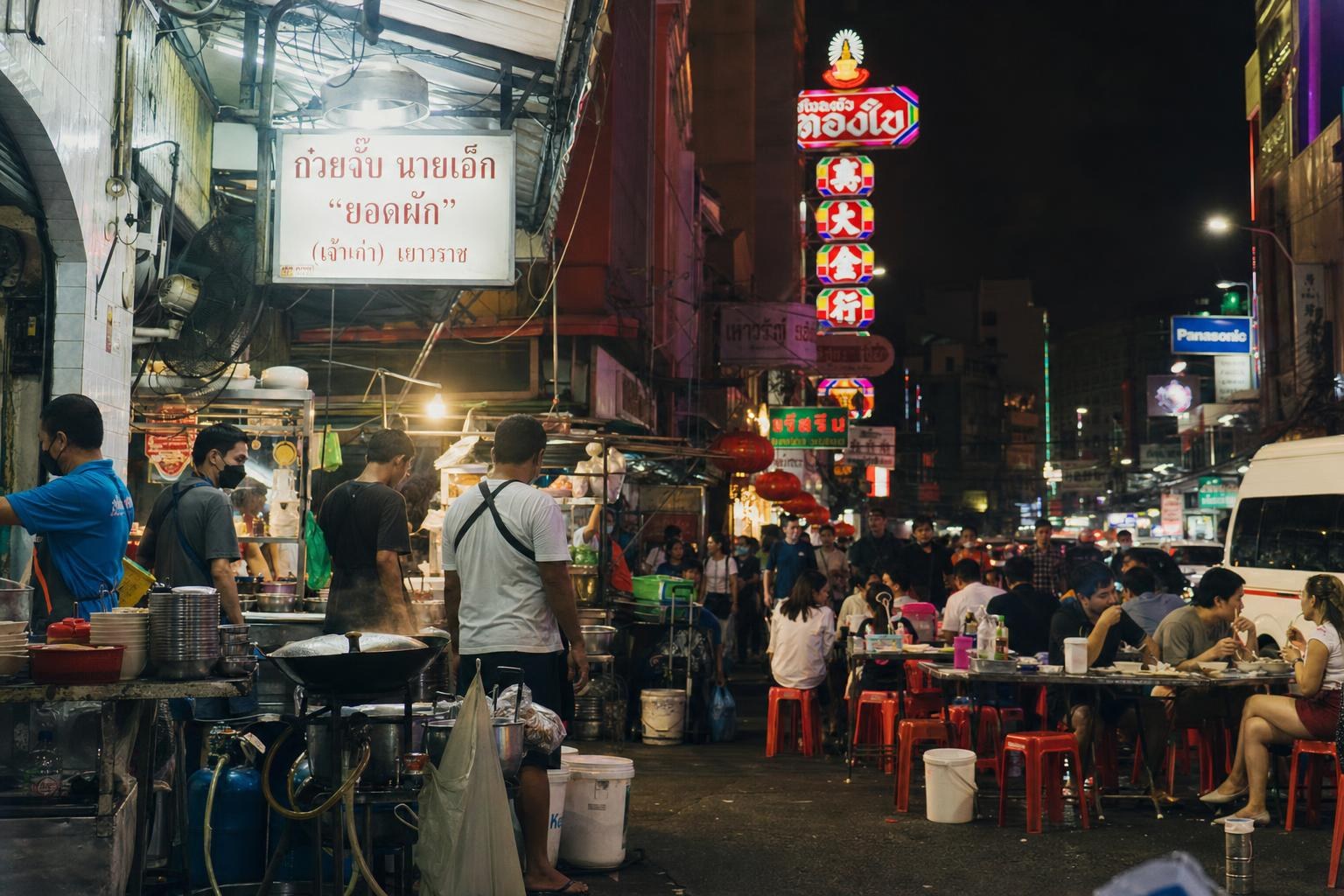
Bangkok’s Chinatown, officially known as Yaowarat, is home to one of Thailand’s most celebrated food districts—especially after dark. Its tightly-packed lanes brim with the aromas of Chinese-Thai street food, and the riverside quarters nearby offer vibrant local flavors right along the Chao Phraya River. Official tourism materials and city planning details make clear that traversing from Yaowarat’s heart to the river’s edge (and beyond to historic markets) forms one of Bangkok’s most dynamic culinary walks. This guide lays out a practical, mapped path for travelers eager to experience a concentrated, authentic food adventure through named neighborhoods, pier areas, and markets.
Heading into Yaowarat: Night Bites and Neon Lanes
Recognized in official descriptions as Bangkok’s premier night-time food destination, Yaowarat Road serves as the spine of Chinatown. By evening, its main drag and side streets (notably Banthat Thong and neighboring alleys) fill with family-run stalls, carts, and tiny shopfronts, each specializing in a few signature dishes. Walking here is easy, highly recommended by city and tourism officials, and provides the chance to sample local eats at short intervals.
Signature Dishes to Try in Yaowarat:
- Noodle soups with roasted meats (especially duck and pork)
- Rolled rice noodle soups (guay jap) in peppery broths
- Grilled and braised meat skewers
- Steamed buns (salapao)
- Crispy and soft oyster or mussel pancakes (hoi tod)
- Traditional sweets and desserts reflecting both Thai and Chinese influences
Yaowarat’s clusters allow for snack-hopping: start at the Chinatown Gate, make your way down Yaowarat Road sampling noodles and meats, and then detour to side lanes such as Banthat Thong for grilled fare, ending with a sweet treat or herbal tea. The area’s pedestrian-friendly layout, dense vendor presence, and striking neon signage all contribute to a vivid culinary and cultural experience.
From Chinatown to the River: Walking to the Chao Phraya
After enjoying Chinatown, heading west brings you to the riverbanks. Official maps and tourism resources highlight Charoen Krung Road as a walkable connector, leading you toward well-known river piers. These piers—Tha Ratchawong, Tha Sathon (Taksin), and Tha Wat Worachanyawas—are more than just transport nodes; they function as food hubs, each surrounded by vendors serving specialties to river commuters and explorers alike.
Key Riverside Piers and Food Highlights:
1. Tha Ratchawong Pier:
- Known as the main river access point for Chinatown.
- Nearby, you’ll find rice porridge (jok), braised duck noodles, fried buns, and local Chinese Thai snacks.
2. Tha Sathon (Taksin) Pier:
- A major transport intersection on the river, often cited in official guides for easy food finds.
- Vendors and small shops here serve phat thai, fried mussel pancakes, and rice-based breakfasts.
3. Tha Wat Worachanyawas Pier:
- Smaller but mentioned for classic desserts and refreshing herbal drinks.
- A short walk from riverfront temples and quieter side-lanes.
Travelling between piers is practical by foot or ferry, and the pier-centric approach makes planning straightforward—stop at each landmark pier, sample local specialties, and observe vibrant river life.
Extending the Corridor: Markets Beyond the Main Trail
Beyond the Chinatown–piers axis, several historic markets provide further immersion into Bangkok’s street food scene. Official tourism sources recommend these market districts as add-on detours or alternative food stops:
- Nang Loeng Market: Touted as one of Bangkok’s oldest, here you’ll find an array of ready-made dishes, traditional curries, grilled meats, and beloved local sweets.
- Talat Phlu: Located across the Chao Phraya River in Thonburi, Talat Phlu boasts a long heritage of family-run snack vendors, famous coconut desserts, and stalls specializing in recipes passed down through generations.
Although not directly on the main Chinatown–river walk, both markets are easily reachable via short ferry rides or local transit and help round out a food-centric urban itinerary.
Landmarks and Atmosphere: Not Just About the Food
The route outlined above isn’t only about flavors: it features distinctive cityscapes and cultural icons touted in official tourism descriptions. Watch for the ornate Chinatown Gate, neon-lit storefronts, intricate temple facades close to river piers, and the constant flow of ferries and long-tail boats along the river. These provide handy visual navigation clues as well as memorable photo opportunities.
Food Safety and Regulatory Context
Bangkok’s local authorities regularly monitor high-density food areas such as Yaowarat, with periodic assessments focused on hygiene and food safety. This highlights an active effort to maintain safe street-food conditions across popular districts. While municipal reports are available (see sources), travelers seeking the most updated information on health standards should consult municipal or tourism websites directly prior to their visit.
Step-by-Step: How to Navigate the Corridor
- Begin in late afternoon or early evening at the Chinatown Gate on Yaowarat Road.
- Sample dishes and snacks as you walk the main Yaowarat stretch—consider noodle stalls and roast meat vendors as a starting point.
- Detour onto Banthat Thong or parallel lanes for grilled and sweet items.
- Follow Charoen Krung Road toward the river, using piers (Tha Ratchawong, then Sathon/Taksin) as waypoints.
- Pause at each pier to try riverside specialties; consider hopping on a ferry for further river exploration.
- If time allows, add excursions to Nang Loeng or Talat Phlu markets for a taste of Bangkok’s historic food culture.
What Remains Unverified
Official pages provide clear guidance on locations, market and pier names, and the kinds of foods and culinary experiences available in each zone. However, they do not supply real-time data on individual vendor hours, current stall line-ups, or daily operational changes. For up-to-date status, plan on verifying current details in person or consulting recent municipal and tourism pages prior to your outing.
In blending the concentrated urban energy of Yaowarat’s Chinatown with the atmospheric riverside of Chao Phraya and historic market clusters, visitors are equipped to experience the heart of Bangkok’s food culture in a single walkable and well-connected route—supported at every stage by named anchors and practical, official travel resources.
Key takeaways
- Yaowarat in Bangkok, Thailand, is officially recognized as a top night-time street food destination with a dense mix of Chinese-Thai vendors.
- Walking from Yaowarat to the Chao Phraya River provides a seamless experience linking street food clusters with riverside piers known for local eats.
- Officially highlighted riverside piers (Tha Ratchawong, Tha Sathon, Tha Wat Worachanyawas) serve as convenient navigation anchors with surrounding food stalls.
- Markets such as Nang Loeng and Talat Phlu are cited by official tourism bodies as essential stops for sampling historic and authentic Thai street food.
- Municipalities regularly monitor food quality and sanitation in high-density food districts like Yaowarat, as confirmed in Bangkok’s official documents.
- Real-time details such as current stall hours and vendor line-ups are not always available through official sources and may need to be verified in person.
Comparisons & planning
| Stop Name | Area Type | Highlights | Recommended Dishes | Accessibility | Reference |
|---|---|---|---|---|---|
| Yaowarat Road | Street/Food Cluster | Night market atmosphere, neon signage | Noodle soups, roast duck, steamed buns | Highly walkable | TourismThailand |
| Banthat Thong Lane | Side street | Grilled specialties, desserts | Meat skewers, Thai-Chinese sweets | Walkable from Yaowarat | Bangkok Municipal |
| Tha Ratchawong Pier | River Pier | Chinatown river access | Porridge, fried buns, duck noodles | Short walk from Chinatown | TAT Newsroom |
| Tha Sathon (Taksin) Pier | River Pier/Transport Hub | Easy river access, nearby food stalls | Phat thai, mussel pancakes, breakfast rice porridge | Ferry and pedestrian | TAT Newsroom |
| Nang Loeng Market | Historic Market | One of Bangkok’s oldest markets | Curry, grilled meats, sweets | Taxi or transit from Chinatown | TourismThailand |
| Talat Phlu Market | Market district | Traditional snacks, coconut sweets | Family-run food stalls | Ferry to Thonburi side | TourismThailand |
Travel checklist
- Start your food walk at the Yaowarat Gate and stroll the main drag for signature dishes.
- Explore side streets like Banthat Thong for grilled meat skewers and desserts.
- Walk or take transit along Charoen Krung Road toward the Chao Phraya waterfront.
- Pause at named piers (i.e., Tha Ratchawong, Tha Sathon) and sample nearby local specialties.
- Include side trips to Nang Loeng or Talat Phlu markets for traditional street foods.
- Use well-marked piers and prominent signage as orientation points.
- For live vendor details or health info, consult current municipal or tourism websites.
Frequently asked questions
How do I get from Yaowarat (Chinatown) to the Chao Phraya riverside food areas?
From Yaowarat Road, follow Charoen Krung Road westward to reach the main piers such as Tha Ratchawong and Tha Sathon. These are within walking distance, and official maps identify river piers as navigation anchors for combining street eats with riverside food experiences.
What are the signature foods to try along this Bangkok food corridor?
Signature dishes widely cited in official sources include noodle soups (especially with roast duck or pork), guay jap (rolled rice noodle soup), steamed buns (salapao), grilled meats on skewers, fried oyster/mussel pancakes, and local desserts.
Are there additional markets worth visiting beyond Chinatown and the river piers?
Yes. Nang Loeng Market (on the city side) and Talat Phlu (across the river in Thonburi) are both promoted by official tourism resources as distinctive street food destinations with a longstanding reputation for authentic local dishes.
Is street food in these districts monitored for hygiene and safety?
Bangkok municipal authorities regularly assess food quality and sanitation in busy districts like Yaowarat. Official reports confirm ongoing monitoring, but for up-to-date details consult local websites or municipal pages directly.
Has anything here changed?
Help us keep these practical details accurate.
Sources and research notes 6 sources
Based on official source material. Check provider websites for changing visitor details.
Conversation
Sign in or create an account to join the conversation.