Destinations
Quiet Corners of Paris: Secret Gardens, Covered Passages, and Under-the-Radar Museum Paths
Explore a peaceful side of Paris, France, with a curated journey through tranquil new gardens, historic covered passages, and alternative museum routes. Discover how civic projects and curated pathways offer calm escapes from the city’s busiest sights.
AI illustration · Wardhead AI · AI-generated illustration
Paris, France is often imagined as a city of dazzling boulevards and world-famous landmarks, but beyond the major icons lies a quieter network of peaceful gardens, glass-roofed arcades, and alternative museum experiences. For visitors seeking calm and discovery, these corners offer a more intimate side of Paris, shaped by ongoing urban projects and mindful curation by the city and its institutions.
Discovering New Tranquility in Jardin des Traverses and North-East Paris
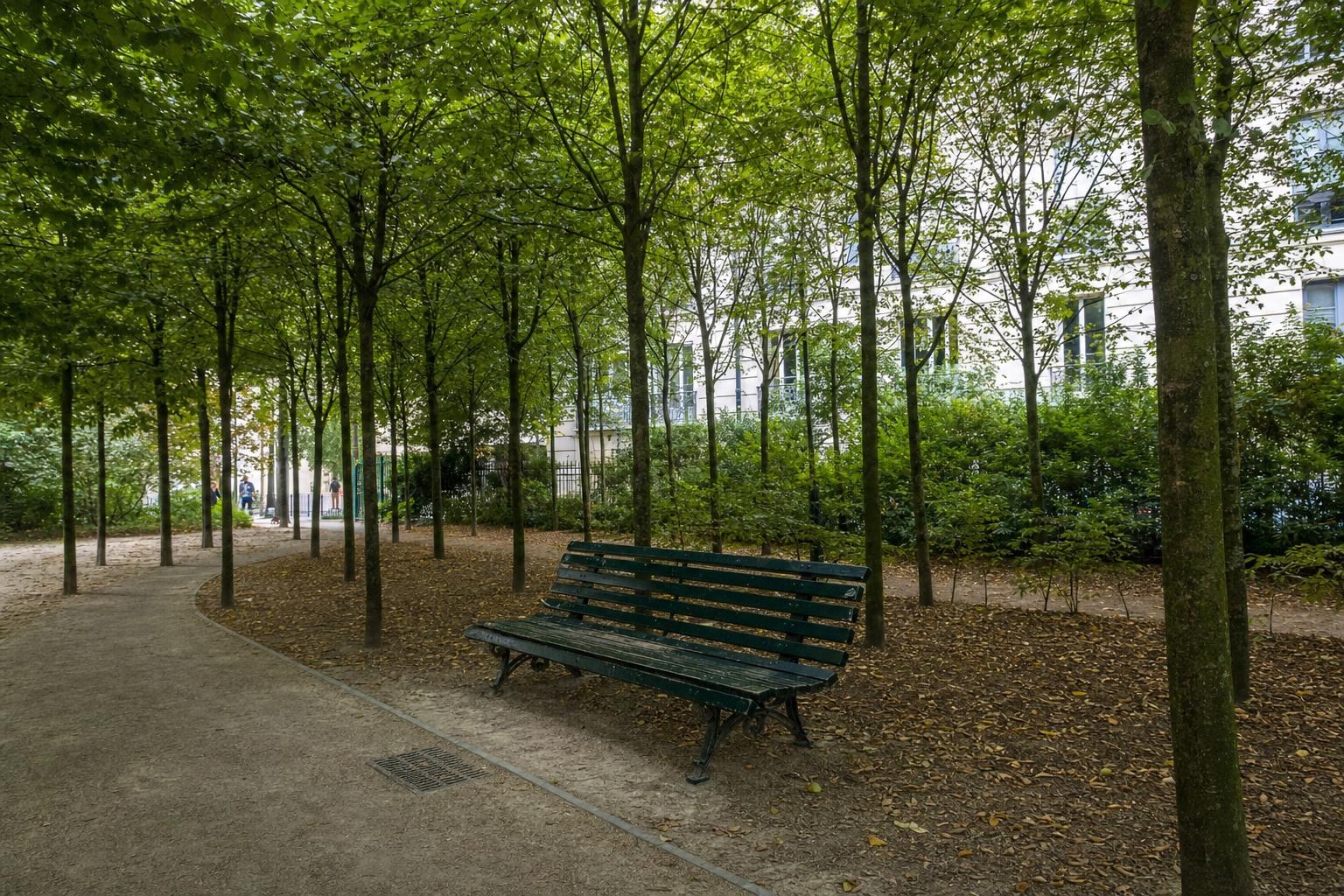
The 18th arrondissement, especially around Porte de la Chapelle, has seen remarkable changes in recent years. The city’s official programme to enhance green spaces and pedestrian life has brought new, less-trafficked gardens to local neighborhoods. One highlight is the Jardin des Traverses, created as part of ongoing redevelopment to blend green surfaces, cycling pathways, and pedestrian promenades. This garden, alongside a growing list of smaller “pocket parks” in the area, offers a restful alternative for those willing to venture beyond central Paris’s busy parks. These urban oases provide shaded benches, flowering borders, and walking paths—ideal for a morning of quiet exploration or a book in the sunshine.
Visiting these spaces is straightforward via the Paris Métro, with RATP (Régie Autonome des Transports Parisiens) providing connections across northeast Paris. Check RATP’s official site for maps and line updates when planning your approach.
Central Paris: Covered Passages and Quiet Arcades
At the city’s heart, the historic covered passages, or passages couverts, invite a very different rhythm. Dating back to the 19th century, these glass-roofed arcades span several blocks across the 2nd and 1st arrondissements, forming a compact and weatherproof route through Parisian history. While some passages—like Galerie Vivienne—have gained modest fame, many remain under the radar, tucked beside administrative avenues and small gardens identified by official city heritage notes.
Walking through a sequence of these passages, visitors encounter independent bookshops, cafés, and mosaic-floored corridors bathed in filtered daylight. The arcades link quietly to busy districts but shield you from the flurry just outside. Municipal planning documents underline their value as both historic and living urban assets, and city reports highlight recent streetworks making these routes even more welcoming for pedestrians.
Art and Greenery: The Fondation Louis Vuitton and Jardin d’Acclimatation Pair
For those wishing to combine art and open air, head west to the Bois de Boulogne’s edge, where the Fondation Louis Vuitton sits at the boundary of the Jardin d’Acclimatation. City documentation highlights this pairing: a contemporary art venue designed to harmonize with adjacent landscaped public space. The Fondation’s terraces and exhibition halls are directly linked to garden walks and quieter lawns, providing a break from the bustle of central museum corridors. This is a rare chance to experience culture and calm, moving easily between vibrant installations and open-air serenity—all endorsed by the city’s own visitor guides.
Under-the-Radar Museum Paths: Exploring Collections Differently
Even Paris’s most celebrated museums can be experienced in new, peaceful ways. Institutions such as the Musée du Louvre now promote curated thematic routes—official “parcours” that guide visitors along alternative paths through the collections. The Louvre, for example, offers digital mediation programmes allowing exploration of selected works beyond the most crowded galleries. Visitors can discover lesser-visited pieces while experiencing the museum’s vastness at a gentler pace, supported by digital resources available on-site.
These alternative museum paths are officially developed to attract visitors who wish to see Parisian culture off the main track—reducing crowd pressure and fostering personal connection with art and history.
Putting Your Quiet Route Together: How to Link Peaceful Parisian Corners
A suggested route starts in the north-eastern 18th arrondissement for morning in newly created gardens like Jardin des Traverses. Midday, use the RATP metro network to head into central Paris, exiting at stations near Rue de Richelieu or Palais-Royal. Here, you can thread together a series of covered passages such as the Passage Choiseul or Passage des Panoramas, stepping into quiet arcades and pausing at their cafés. Continue towards the Seine for access to major institutions or, for a greener finish, travel west to the Jardin d’Acclimatation and the Fondation Louis Vuitton for an afternoon of art and garden relaxation.
Each segment of this journey is supported by official municipal investments and programming, designed specifically to improve public accessibility, encourage wandering, and diversify the city’s cultural landscape. The combination of new gardens, historic arcades, and quietly curated museum routes reveals a Paris where tranquility and discovery walk hand in hand.
Practical Planning Tips
- Use the official RATP website or mobile tools for up-to-date maps, line changes, and best journey options for reaching quieter neighborhoods or clusters.
- For visits to the Fondation Louis Vuitton and adjacent garden, municipal guides highlight options for moving between the art venue and landscaped grounds.
- When exploring covered passages, consult municipal maps to find lesser-known arcades and to plan a contiguous walk through the arcades and adjacent small gardens.
- For alternative museum routes, check the museum’s digital mediation offers or visit website sections dedicated to curated themed paths. Institutions such as the Louvre regularly update these resources.
While information on some micro-details (exact passage opening times, real-time closure notices, or up-to-the-minute crowd patterns in museums) may not be complete, the city’s official resources and operator sites provide trusted basics to help tailor your Paris experience for calm and contemplative enjoyment.
Key takeaways
- Paris’s newest gardens, like Jardin des Traverses in the 18th arrondissement, provide peaceful alternatives to crowded parks.
- The city’s covered passages offer weatherproof, quiet routes filled with historic charm and local shops.
- Major museums including the Louvre now formally offer themed visitor routes that avoid the busiest galleries.
- Paris’s municipal improvements focus on linking green space, pedestrian life, and cultural calm.
Comparisons & planning
| Area/Cluster | Main Feature | Atmosphere | Nearby Metro | Noted in Official Sources |
|---|---|---|---|---|
| 18th Arrondissement (Porte de la Chapelle) | Jardin des Traverses & new promenades | Peaceful, newly landscaped, local | Porte de la Chapelle | Ville de Paris urban projects |
| Central Paris (Richelieu, Palais-Royal) | Covered passages & arcades | Historic, sheltered, intimate | Richelieu–Drouot / Palais-Royal | City heritage & planning docs |
| Bois de Boulogne edge | Fondation Louis Vuitton & Jardin d'Acclimatation | Artistic, open, tranquil | Les Sablons | Municipal venue descriptions |
| Across city museums | Alternative museum routes | Cultural, contemplative | Vary by location | Museum press releases |
Travel checklist
- Review RATP’s official tools for up-to-date transport routes.
- Note the specific names of gardens and passages to find them on municipal maps.
- Consult museum websites for details on alternative thematic tours and mediation resources.
- Combine different clusters on your route for a balanced day of green space, culture, and relaxation.
Frequently asked questions
What is the Jardin des Traverses and where is it located?
Jardin des Traverses is a newly created pedestrian garden space in the 18th arrondissement near Porte de la Chapelle, part of official efforts to add green spaces and pedestrian-friendly routes in northern Paris.
How can I find and visit Paris’s covered passages?
Covered passages such as Passage Choiseul, Passage des Panoramas, and Galerie Vivienne are clustered in central Paris’s 2nd and 1st arrondissements. Use city maps or municipal websites to locate them, and access via nearby metro stations like Richelieu–Drouot.
Where can I experience quiet art and gardens together in Paris?
The Fondation Louis Vuitton, adjacent to the Jardin d’Acclimatation on the edge of the Bois de Boulogne, offers indoor exhibitions alongside tranquil, landscaped grounds—as officially highlighted by the city.
Do Paris museums provide alternative routes to avoid crowds?
Yes, major museums such as the Louvre offer curated thematic routes and digital mediation programmes designed to guide visitors through less-busy collections and galleries.
Sources and research notes 5 sources
Based on official source material. Check provider websites for changing visitor details.
Conversation
Sign in or create an account to join the conversation.