Destinations
London, United Kingdom: A First-Time Visitor’s Complete Guide
A detailed, practical guide for first-time visitors to London, United Kingdom. Explore the city’s iconic districts, top museums and landmarks, unique markets, and green spaces, with tips for efficient travel and planning from official sources.
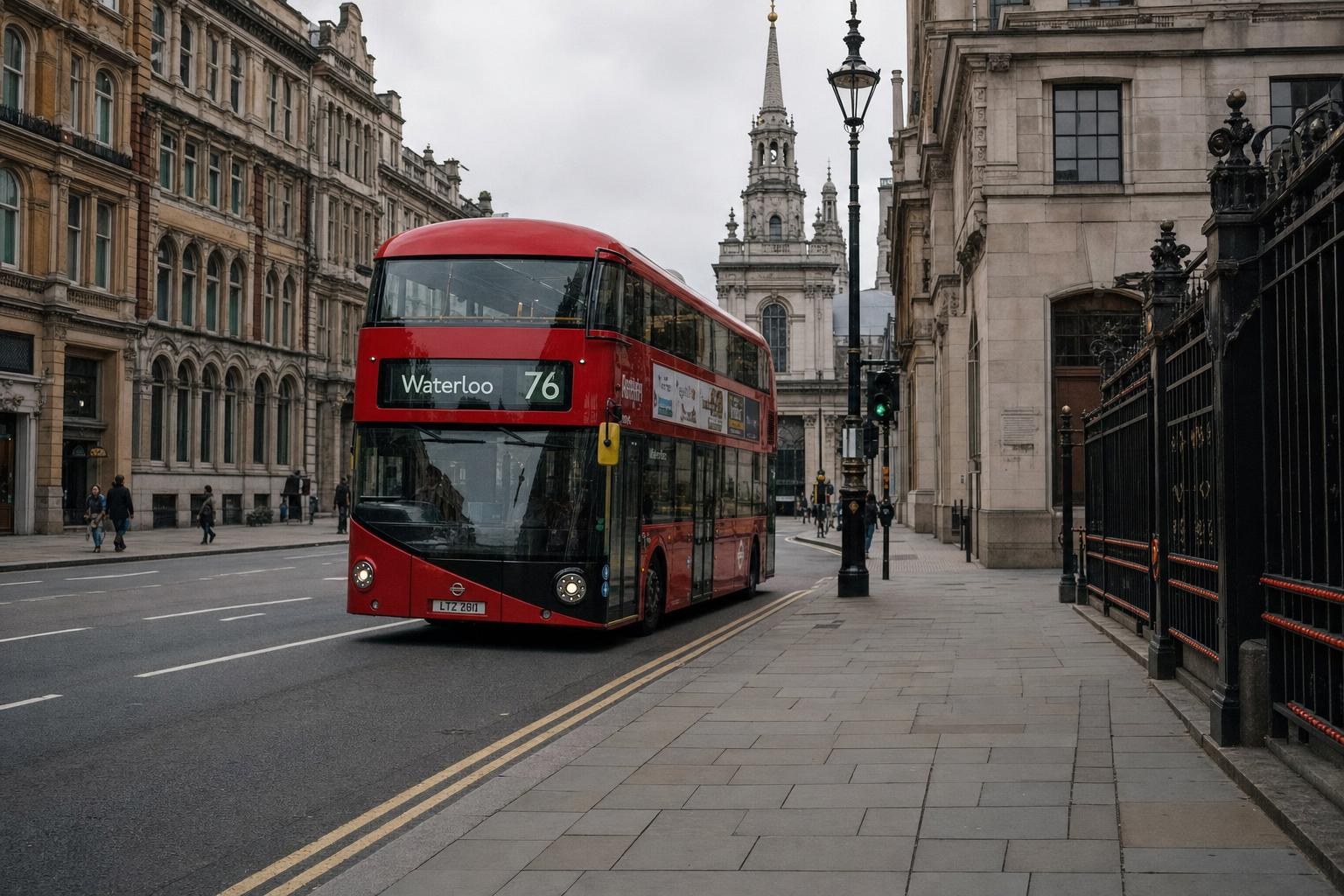
AI illustration · Wardhead AI · AI-generated illustration
London, United Kingdom is the largest city in Britain and a vibrant global capital packed with history, creative energy, and an unrivalled mix of neighbourhoods, green spaces, and world-class attractions. For first-time visitors, planning where to start can be challenging given London’s vast scope. This guide navigates the essentials — rooted in official city and national tourism resources — to help you create a memorable, efficient visit to one of Europe’s great cities.
Getting to Know London: Neighbourhoods and Geographic Groupings
London’s compact city centre is surrounded by distinct, characterful areas, each with its own major highlights. Official tourist information divides central visitor zones as follows:
Central Thames Corridor (South Bank to Westminster)
Some of London’s signature landmarks cluster along the River Thames. The South Bank is well-known for its concentration of culture — home to the National Theatre, Hayward Gallery, and the London Eye, offering iconic views over the river and city skyline. Walking west, you’ll reach Westminster, where the Palace of Westminster (with its world-famous clock tower, known informally as Big Ben) and Westminster Abbey showcase London’s political and royal legacy. Official visitor content highlights the South Bank as an ideal route for first explorations and riverside strolls linking major attractions within easy reach (visitlondon.com ↗).
West End and Soho
Known as London’s entertainment heart, the West End is the capital’s principal theatre and nightlife district, with a dense network of venues around Shaftesbury Avenue. Oxford Street and Regent Street remain two of the city’s most famous shopping drags, packed with international flagship stores. Soho pulses with energy late into the evening, offering diverse dining and quick access to lively Chinatown. Centred here, visitors can catch a West End show, sample local cuisine, or dive into bustling nightlife — all highlighted in official tourism guides (visitbritain.com ↗).
Historic City of London (The Square Mile)
The City of London is London’s original core. Officially covering just one square mile, this district is packed with layers of history and modern architecture in close proximity. Walkable and well-mapped in city guides, the area contains everything from remnants of Roman Londinium to the majestic Guildhall, medieval churches, and the headquarters of British finance. Area maps and themed walking itineraries can be found through official visitor platforms (visitlondon.com ↗).
Distinctive Sights: Museums, Royal Landmarks, and Arts Destinations
Museums and Art Galleries
London is celebrated for its breadth of museums, many of which have free general entry and see millions of visits annually. Notable institutions — all recommended by national and city guides — include:
- The British Museum: Renowned globally for artefacts spanning ancient to modern global history
- Natural History Museum: Focusing on science and immersive displays
- Tate Modern & Tate Britain: Leading destinations for contemporary and historical art (visitlondon.com ↗)
Official guides recommend checking museum websites for current exhibitions and for information on special collections.
Royal and Historic Landmarks
London’s history as a royal city is embodied in its many palaces and ceremonial sites. Official tourism lists consistently highlight:
- The Tower of London (notable for the Crown Jewels and historical interpretation)
- Westminster Abbey (one of the UK’s greatest churches and national monuments)
- Buckingham Palace: The official residence of the monarch
Each of these sites offers a unique perspective on Britain’s history and governance (visitbritain.com ↗).
Markets, Multicultural Neighbourhoods, and Urban Green Space
Essential Markets and Neighbourhoods
London’s neighbourhood markets are a window into the city’s multicultural life:
- Portobello Road (Notting Hill): Noted for vintage finds and international street food
- Camden Market: Centre for alternative style, local crafts, and music
- Brick Lane (Shoreditch): Renowned for vibrant street art and diverse cuisine
Exploring these markets — which frequently appear on official “top attraction” lists — is a way to experience the colourful day-to-day of London’s communities (visitbritain.com ↗).
Royal Parks and Green Spaces
Despite its density, London is defined by green space. The city is officially recognised as the world’s first “National Park City” emphasising its environmental heritage. Top parklands include:
- Hyde Park and Regent’s Park: Both centrally located and favoured for outdoor walks, picnics and boating
- Hampstead Heath: Known for wild landscapes and panoramic city views
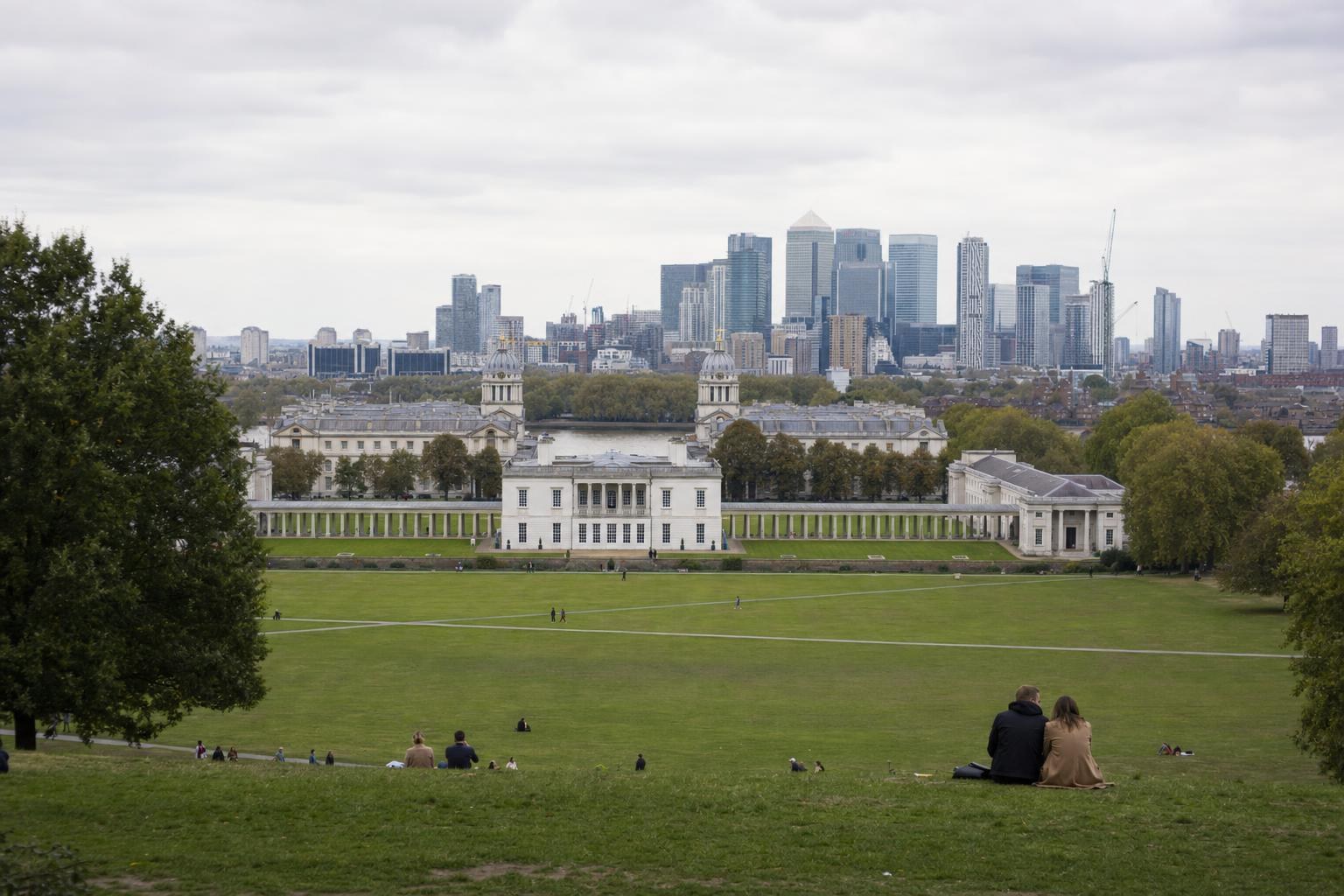
- Greenwich Park: Rich in history and offering spectacular vantage points over maritime London
Official sources encourage making time for park visits as a way to balance city sightseeing (visitbritain.com ↗).
Navigating London: Public Transport Overview
London’s enormous size is made far more accessible by its internationally recognised public transport system, coordinated by Transport for London (TfL). The main network consists of:
- London Underground (Tube) and Elizabeth line: Fast connections across the city and to Heathrow Airport
- Docklands Light Railway (DLR) and London Overground: Connect key sites beyond the centre
- Buses, trams, and river bus services: Wide-reaching, frequent coverage
Official transport publications also note the accessibility features, integration between modes, and the ability to transfer between National Rail and local TfL services where permitted by ticket type (content.tfl.gov.uk ↗; nationalrail.co.uk ↗). Many National Rail journeys into London allow onward travel on Tube or DLR within the city centre.
Planning Your Visit: Tools and Official Guidance
For up-to-date planning information, Visit London runs an official app offering curated neighbourhood attractions, suggested itineraries, and offline maps. This free app is designed specifically for visitors and can be downloaded prior to arrival (visitlondon.com ↗). The Visit London website also features tailor-made guides for first-timers and information on the city’s top attractions across all districts.
Practical Planning Pointers
- Group your sightseeing by neighbourhood — this cuts down cross-city travel and maximises time
- Use the South Bank to Westminster riverside corridor for several major sites in one area
- Consider a West End day for world-class theatre, shopping, and central dining
- Set aside time for market neighbourhoods for a local, multicultural experience
- Check official TfL or National Rail pages for the latest on routes and operational changes
- Download the Visit London app for offline maps and official itineraries on the go
Always check operator or attraction websites for the most accurate, up-to-date details on operating hours and entry.
London welcomes millions every year and offers something new for every kind of traveller. Careful planning via these official routes ensures you’ll see the best of Britain’s capital, however short your stay.
Sources and research notes 5 sources
Based on official source material. Check provider websites for changing visitor details.
Conversation
Sign in or create an account to join the conversation.