Destinations
Canals, Courtyards and Community: Low-cost Walking and Waterside Experiences in Amsterdam, The Netherlands
Discover Amsterdam’s iconic canals, secret courtyards, and vibrant neighbourhoods on foot and via free ferries. This practical guide reveals distinctive, budget-friendly ways to experience the Dutch capital—combining official walking routes, local character, and waterside wanderings for an authentic city adventure.
AI illustration · Wardhead AI · AI-generated illustration
Introduction
Amsterdam, The Netherlands, is one of Europe’s most walkable capitals—where cobbled lanes, concentric canals, and lively residential neighbourhoods are tightly woven together. While many know the city for its major museums, the most distinctive aspects of Amsterdam are often best encountered at street level or along the waterfront. Fortunately, official resources make it easy to plan a day of exploring classic areas—spanning historic canal views, hidden courtyards, and the urban energy of the IJ waterfront—without straining your budget.
This guide focuses on three atmospheric, source-documented areas: the Canal Belt and Begijnhof, the Jordaan with Brouwersgracht, and Amsterdam-Noord, accessible via free GVB city ferries. By linking curated walks and public ferries, you can design a deeply local circuit of architecture, community, and waterside scenery.
Exploring the Canal Belt and Begijnhof: The Historic Heart
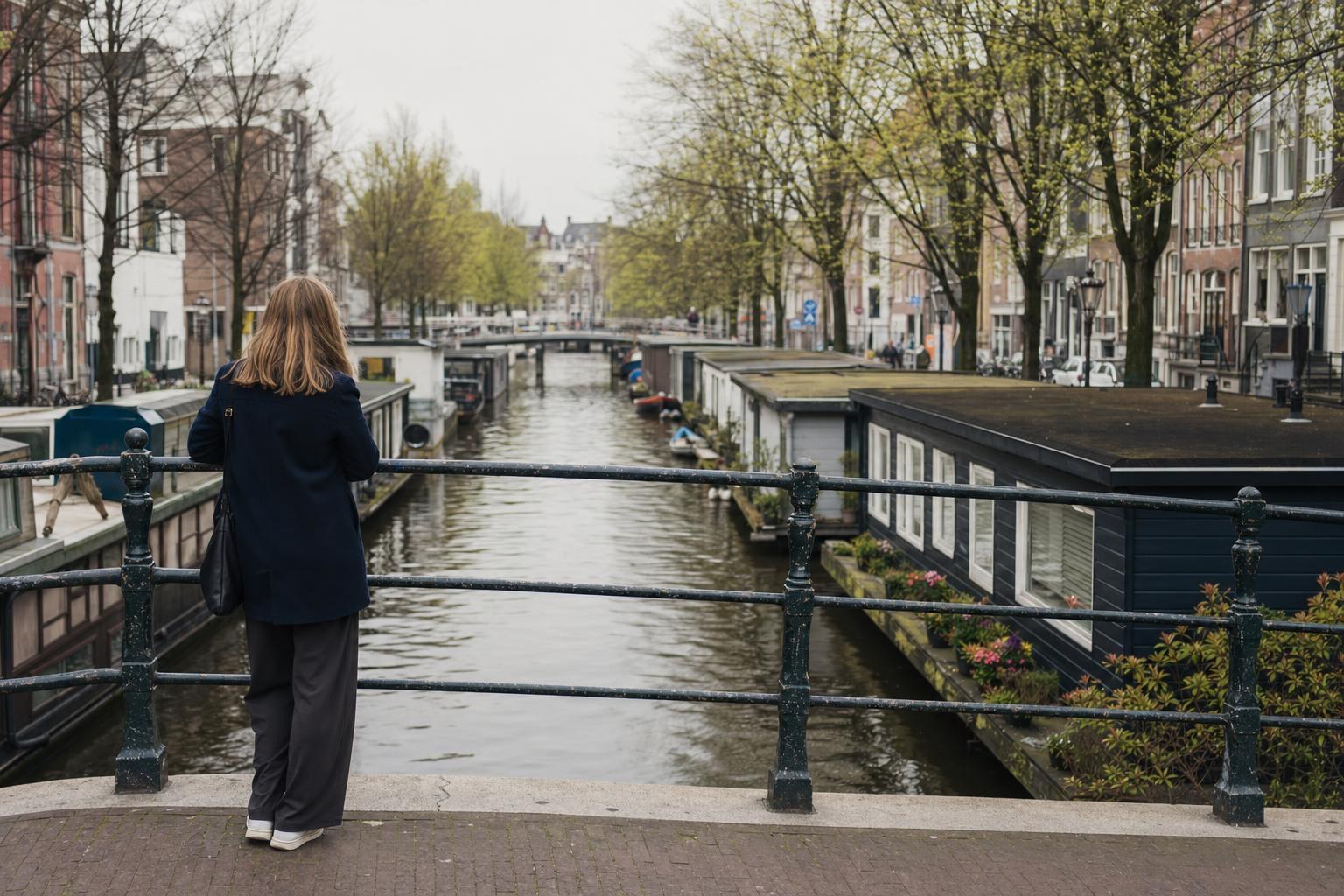
The Grachtengordel, or Canal Belt, forms the architectural and historical core of Amsterdam. Concentric 17th-century canals—such as Herengracht, Keizersgracht, and Prinsengracht—enclose picturesque blocks lined with gabled houses and criss-crossed by elegant bridges. According to official city guides from I amsterdam, these storied waterways are a quintessential Amsterdam experience accessible for free, with walking routes mapped along the main canals and across signature bridges.
For a special local discovery, begin your walk at Spui and duck into the Begijnhof. This medieval hofje (courtyard) is hidden behind a simple doorway yet opens onto a peaceful enclosed garden surrounded by centuries-old houses and a small chapel. The Begijnhof is highlighted on official I amsterdam lists as freely accessible during daytime, representing one of the city’s best-preserved inner courtyards and providing a tranquil contrast to the bustling streets nearby.
From Begijnhof, you can continue along the canal network, pausing at photogenic spots such as Blauwbrug or exploring public squares for cityscape vistas. Official guides emphasise that these bridges and open viewpoints are perfect for capturing Amsterdam’s famous canal-side reflections—must-sees for walkers and photographers alike.
Wandering Jordaan and Brouwersgracht: Local Life by the Water
Located west of the city centre, the Jordaan neighbourhood is famed for its labyrinth of narrow alleys, creative storefronts, and leafy canal banks. Once a working-class district, the area is now celebrated for its community spirit and residential character. According to I amsterdam’s area profiles, the Jordaan is an ideal place to wander freely, with local bakeries, independent galleries (some offering free exhibitions), and small street markets delivering a local’s-eye perspective on everyday Amsterdam.
The Brouwersgracht, one of the prettiest canals according to city recommendations, is a picturesque starting point. Bridges here frame timeless views of houseboats and colourful canal houses. You might follow an official walking route such as “West is Best”, which is designed to lead you through the quieter corners and green spaces of the west side, further revealing the city’s relaxed pace and intimate neighbourhood feel.
Many of the cultural highlights here—like street art installations or municipal archives—are listed among “free things to do” by I amsterdam. While access to some galleries may vary, the editorial listings reliably highlight venues known for frequent public entry or seasonal free programmes.
The riverside parks and benches along Brouwersgracht and secondary canals offer excellent outdoor lunch or rest spots. The area’s compact nature also means you can combine residential walks, canal-side views, and informal art stops without extensive travel between them.
Crossing the IJ to Amsterdam-Noord: Free Ferries and Urban Adventure
One of Amsterdam’s most distinctive—and cost-free—experiences is crossing the IJ River by ferry. Operated by GVB (the city’s official public transport provider), several short ferry lines connect the rear of Amsterdam Centraal Station to Amsterdam-Noord. According to GVB’s official travel-product pages, these crossings are free for both pedestrians and cyclists, run frequently, and offer memorable skyline views in just a few minutes.
To reach the ferry terminals, follow the signs from Centraal Station toward the IJ waterfront. The most commonly used route is the ferry to Buiksloterweg, which is the gateway to the creative, evolving northern waterfront. Upon arrival, you can stroll the new riverside promenades, explore the parks and open spaces along the IJ, or simply enjoy wide panoramas of the old city across the water—a contrast to the narrower canal vistas downtown.
Official walking-route suggestions from I amsterdam and GVB’s journey planner both include the waterfront as a focus for urban exploration. The ferries connect efficiently with both walking and cycling paths in Noord, making this a simple extension for those interested in contemporary architecture or waterside leisure.
Practical Tips for Designing Your Route
- Use the GVB travel app or online journey planner to coordinate your walking and ferry segments. This ensures you catch the next available free ferry crossing and see real-time options for other public-transport links.
- For themed strolls (such as canal architecture, courtyards, or artist quarters), pick from I amsterdam’s curated walking routes such as “West is Best” or canal belt loops. These come with point-by-point directions and summaries of local highlights.
- Check I amsterdam’s “Gratis” event agenda for pop-up art shows, markets, or street performances that might add a unique local twist to your day. Listings are updated frequently and are the official source for city-endorsed free events.
- If you wish to supplement your walk with a cultural stop, refer to the official “free things to do” round-up for current municipal displays and gallery entries with free access. Double-check with each venue’s homepage before visiting, as access conditions may change.
- For budget-friendly meals, visit neighbourhood bakeries or casual markets particularly in the Jordaan. While not all are free, locally run spots often offer authentic Dutch fare for modest prices.
- Plan downtimes at public squares, pocket parks, or benches along canals—many are marked on official walking routes and provide ideal picnic or rest locations.
Why These Routes Showcase Amsterdam’s Character
Canals, courtyards, and the waterfront form the backbone of Amsterdam’s urban identity. By exploring the Canal Belt and Begijnhof, wandering the creative streets and markets of Jordaan, and hopping a free ferry to Amsterdam-Noord, you engage with the city’s architectural legacy and its contemporary mix of cultures—and you do so via sustainable, low-cost transport and foot routes.
The city’s commitment to free pedestrian and cycling ferries, support for low-cost community art spaces, and preservation of walkable courtyards reflect Amsterdam’s spirit of openness and resourcefulness. For visitors, the combination of mapped walks, local tips, and effortless water crossings opens up a day of memorable, affordable discovery in every season.
For further planned excursions, always refer to GVB’s transport planner and I amsterdam’s editorial events calendar to make the most of your time and budget.
Key takeaways
- Many of Amsterdam’s best canal views and neighbourhoods are easily explored on foot at no cost.
- The Begijnhof is a medieval courtyard in the centre and offers free public access during the day.
- The Jordaan district has walkable canals, local markets, and galleries—ideal for spontaneous, affordable exploration.
- GVB ferries from Centraal Station to Amsterdam-Noord are free for pedestrians and cyclists, making waterfront crossings simple and scenic.
- Official city walking routes, such as 'West is Best', map out the prettiest and least crowded urban paths.
- I amsterdam publishes up-to-date listings for free events and temporary exhibitions to enhance your itinerary.
Comparisons & planning
| Attraction | Neighbourhood | Type | Official Source |
|---|---|---|---|
| Begijnhof | Centre (Spui) | Historic courtyard | I amsterdam |
| GVB IJ Ferry (to Noord) | Centraal/Noord | Waterfront ferry/transport | GVB |
| Canal Belt (Grachtengordel) | Centre | Canal walking routes/views | I amsterdam |
| Brouwersgracht | Jordaan/West | Canal/picturesque stroll | I amsterdam |
| West is Best walking route | Jordaan/West | Curated walking route | I amsterdam |
Travel checklist
- Download the GVB travel app for ferry and public transport planning.
- Consult official I amsterdam walking route guides for themed strolls.
- Check I amsterdam’s ‘Gratis’ event filter for current free events.
- Pack comfortable shoes for cobblestone and canal-side walking.
- Consider a picnic from a local bakery or market in the Jordaan.
- Allow time in your schedule for spontaneous discoveries along the canal network.
Frequently asked questions
Are all city ferries in Amsterdam free?
No, only certain short ferry crossings over the IJ between Centraal Station and Amsterdam-Noord are free for pedestrians and cyclists. Always check current routes and schedules in the GVB app or on the GVB website.
Do I need a ticket or pass to visit the Begijnhof?
No ticket is required to visit the Begijnhof courtyard. According to I amsterdam, it is free and open to the public during daytime hours.
Where can I find official walking routes for Amsterdam?
Curated walking routes such as the 'West is Best' are published by I amsterdam. These guides feature directions, points of interest, and local tips for neighbourhood exploration.
How do I find free cultural events or exhibitions in Amsterdam?
I amsterdam’s events agenda has a 'Gratis' (free) filter. This lists up-to-date information on free public events, art shows, and local festivities.
Sources and research notes 3 sources
Based on official source material. Check provider websites for changing visitor details.
Conversation
Sign in or create an account to join the conversation.