Travel tips
Navigating London’s Hidden Transport Frictions: Budgeting for Westminster, South Bank, and Rail Arrivals
London’s transport network is robust but complex. This guide pinpoints the hidden costs and quirks in the central visitor zones—Westminster, the South Bank, and rail connection hubs—to help travellers avoid unplanned spend and get the most from their budget.
AI illustration · Wardhead AI · AI-generated illustration
London, United Kingdom, is a prime destination for culture, history, and vibrant city life. Beneath the surface, however, even the savviest traveller can find their budget stretched by small, recurring expenses—especially when moving between London’s central clusters such as Westminster, the South Bank, and major railway arrival points. These areas are linked by a web of Tube, train, bus, and river services, each with their own cost implications and rules. This guide unpacks the most overlooked ways costs escalate, and provides practical reference advice to help visitors plan and save.
Understanding Core Transport Costs and Frictions
London’s public transport relies on electronic pay-as-you-go methods: Oyster cards, Visitor Oyster Cards, and contactless bank cards/devices. Fares are calculated by zones, with daily maximums ("caps") designed to limit how much you pay per day. In theory, this makes costs predictable. In practice, friction points—like zone boundaries, operator exclusions, and validation requirements—lead to unexpected charges. Proper planning can help you avoid avoidable fees and identify where extra costs may arise.
Westminster & Zone 1: Short Hops and Zone Nuances
Westminster’s appeal is obvious: iconic attractions such as the Houses of Parliament, Big Ben, and Trafalgar Square are concentrated in Zone 1. It’s tempting to hop between these on the Underground or buses. Yet, a few key frictions can increase costs:
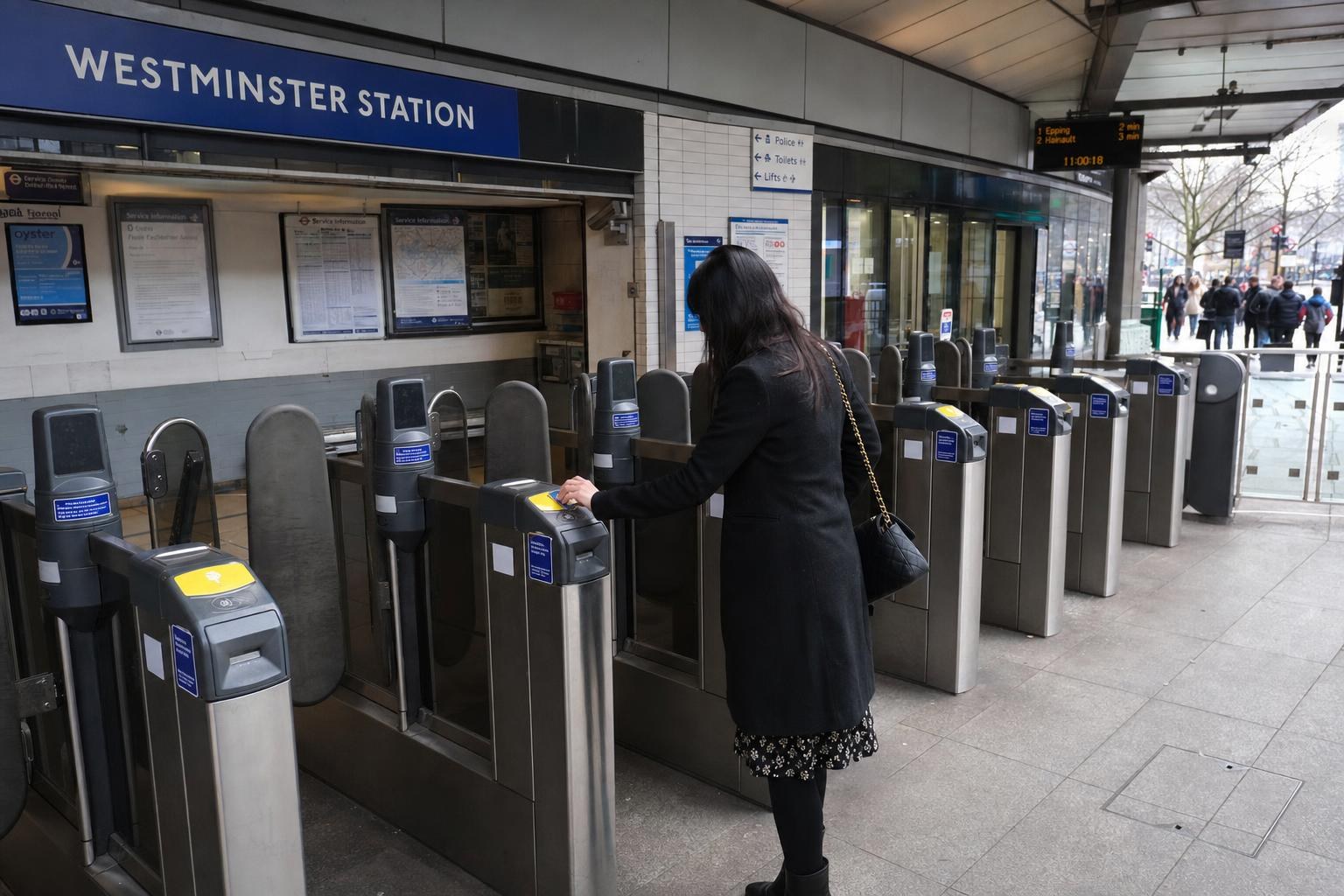
- Every journey on the Tube, Docklands Light Railway (DLR), or relevant National Rail services requires a tap-in and tap-out using your Oyster/contactless card.
- Journeys—even short ones—within Zone 1 are each counted and priced as individual fares unless you’ve hit your daily cap. Separate short trips add up quickly.
- Moving even one stop beyond Zone 1 changes your fare, possibly kicking it into a higher bracket.
- Not tapping in or out, even by mistake (for example, at an open gate), leads to an automatic maximum fare for that incomplete journey, which can only be adjusted after the fact.
Cost Control Tip: Consider walking between landmarks in Zone 1 as much as possible. It’s usually faster than you expect and keeps unnecessary fare increments off your daily tally. Use the official TfL journey planner to check when routes cross zone boundaries, which could alter fares.
South Bank: River Options and Overlooked Extras
The South Bank corridor, rich in culture with the Southbank Centre, Tate Modern, and the London Eye, creates another set of budgeting complexities:
- River services are split: only official TfL river buses accept Oyster/contactless and count towards capping; private sightseeing boats and attraction-specific cruises (such as certain Eye-branded tours) require separate tickets that are not integrated, so these costs sit outside any TfL daily cap.
- Free riverside walks and footbridges are direct and cost nothing, yet paid river travel can seem appealing and lead to double-charging if you assume all river services are capped.
- Museums and major galleries along the South Bank most often offer free general admission, but some special exhibitions or features carry individual charges, adding unexpected spend.
- Some walking tours are labelled “pay what you can,” but standard donations or tips are customary and can become a recurring small expense.
Cost Control Tip: Always identify whether a river trip is TfL-operated before boarding, and confirm if your Oyster/contactless card is accepted. Budget extra for add-on exhibitions at major venues.
National Rail Arrivals: Ticket Types and Onward Travel
London’s key rail terminals—Paddington, King’s Cross, Victoria, Waterloo—draw in visitors from around the UK and beyond. The onward connection to the Tube, DLR, or buses introduces another key budgeting issue:
- Not all mainline rail tickets are valid for continued travel on Underground or buses within London. Some are point-to-point only; others (for example, 'London Terminals + Underground' tickets) offer full integration within certain zones.
- If your ticket does not specify inclusion of London travel, you must use Oyster/contactless for onward journeys, which initiates a new charge sequence, resetting any daily fare cap calculations.
- Both TfL and National Rail check for “authority to travel”: you may be asked at random to show your tapped Oyster/contactless card or paper ticket. Lacking a properly validated ticket may lead to a penalty fare, which is distinct from a maximum charge due to incomplete journeys.
Cost Control Tip: Before travel, always check your National Rail ticket’s eligibility in the official Journey Planner or with station staff. If in doubt, budget for an additional pay-as-you-go fare between mainline terminal and your final destination.
Penalty Fares, Maximum Charges, and Capping: How to Stay Safe
London’s system operates on trust but is enforced actively:
- Always tap in and out with your Oyster/contactless where required. If you forget, the system will typically charge the highest possible fare for that journey segment until resolved.
- Penalty fares (distinct from maximum pay-as-you-go deductions) can be issued by inspectors if you are found without valid, properly validated tickets, especially on National Rail or when moving between rail and Tube networks.
- If your Oyster/contactless card fails at a reader, use another payment option immediately to avoid unintended penalties or fare stacking. Use official services to check daily capping progress and address anomalies.
River Services: Knowing the Boundaries
Only TfL-operated Thames river buses participate in the fare capping scheme—private cruises or attraction boats do not. If your Thames journey isn’t shown on the official TfL river map, assume you’ll need a separate ticket and budget accordingly.
Small Entry Costs and Extras at Attractions
Free access to museums and galleries is a strength of central London, but:
- Special, timed, or featured exhibits usually cost extra, often as stand-alone tickets unavailable for pay-as-you-go or capped discounting.
- Popular free venues regularly offer premium experiences—guided exhibition tours, hands-on workshops, or fast-track entry—as optional paid upgrades.
Always check the current exhibitions and billings on official websites before arrival and leave flexibility in your budget for these potential add-ons.
Discount Channels: Visitor Oyster Cards, Railcards, and Offers
Pre-ordered Visitor Oyster Cards can offer small discounts at select partner shops, restaurants, and attractions, but check for current deals before relying on savings. Contactless bank cards generally access the same fares and daily caps as standard Oyster, but may not always unlock the same attraction-specific discounts. Most discounts are not universal and must be confirmed per venue.
Final Planning Strategy
- Use official journey planning and fare calculator tools from TfL and National Rail for up-to-date rules and fare quotes.
- Walk when practical—especially in Zone 1—rather than making repeated short Tube trips.
- Double-check whether mainline train tickets cover onward travel across London. If not, factor in Oyster/contactless fares and potential daily caps.
- Be alert to operator differences on river services and private tours.
- Consider setting aside a daily “small extras” budget to cover exhibition tickets, guided walks, or attraction upgrades that are easily missed during planning.
The best defence against hidden transport and ticketing costs in London is a clear plan—mapping your route, understanding eligible discounts, paying attention to operator boundaries, and using the official Planners and fare tools for each journey.
Key takeaways
- London’s transport operates on a zone and daily cap system—knowing where zone boundaries lie can save you money.
- Separate short Tube trips in Zone 1 are individually charged unless you have reached your daily cap.
- Only TfL river services are capped with Oyster/contactless; private sightseeing boats require separate tickets.
- Check if your National Rail ticket includes Tube/Underground travel before transferring—otherwise, use Oyster/contactless and prepare for additional charges.
- Always tap in and out on Tube, DLR, London Overground and Oyster-enabled National Rail services to avoid maximum fare deductions or penalty fares.
- Free admission is widespread at central museums, but special exhibitions or attractions may have their own entry fee.
- Use official TfL and National Rail journey planners and fare calculators to verify travel costs in advance.
Comparisons & planning
| Area/Route | Potential Hidden Cost | Reason | How to Avoid/Minimise |
|---|---|---|---|
| Westminster Zone 1 | Multiple fares for short Tube hops | Each journey counts separately until cap is reached | Walk between landmarks; watch fare cap |
| Zone 1 to Zone 2/3 | Higher fare for crossing zone boundary | Fares charged by zone, not distance | Check official fare finder for transition points |
| South Bank river travel | Uncapped private river cruise fares | Not all river services use Oyster/contactless | Only board TfL river buses if you want capped fares |
| Major rail arrivals | Onward Tube/bus fare not included in all tickets | Some rail tickets are point-to-point only | Check for ‘Underground included’ notation on rail ticket |
| Central museums/galleries | Pay-for special exhibits | General entry is free, not all experiences are | Check venue websites for exhibition fees |
| Walking tours | Frequent small 'pay what you can' payments | Customary tips/donations even for free tours | Budget for donations in daily plan |
Travel checklist
- Familiarise yourself with where zones change along your planned route.
- Plan to walk between nearby sights in Zone 1 instead of repeated Tube hops.
- Use TfL journey/fare planning tools to check if your journey triggers a higher (zone-crossing) fare.
- Before boarding a river service, confirm if it's TfL-operated and accepts Oyster/contactless.
- Inspect your National Rail ticket to confirm whether it covers onward Tube or bus travel in London.
- Always tap your card on the yellow reader at the start and end of every journey on Oyster/contactless-enabled services.
- Leave a buffer in your daily budget for small exhibition fees, guided walks, tips, and premium attraction experiences.
- Check for current discount offers with Visitor Oyster Cards or railcards—but do not assume all attractions participate.
Frequently asked questions
Do all Oyster/contactless journeys in London count towards a daily spending cap?
No. Most London Underground, DLR, London Overground, and select National Rail services count towards your daily cap with Oyster/contactless. However, certain river services (like private cruises) and paid attractions do not, so their costs are additional. Always check if your planned journey is covered by the daily cap before travel.
What happens if I forget to tap in or out on London’s transport network?
Failing to tap in or out may result in being charged the maximum possible fare for that journey segment. This is distinct from an official penalty fare, which can be imposed by staff if you cannot present valid proof of payment. Both situations can disrupt your travel budget.
Is walking between sights in Westminster or South Bank faster or cheaper than taking the Tube?
Often, yes. Landmarks in central London, especially within Westminster and along the South Bank, are within easy walking distance. Walking avoids repeated fare deductions and sidesteps peak/off-peak pricing complexities, saving both time and money.
Does a National Rail ticket always include Tube or bus travel within London?
No. Only some National Rail tickets include onward London travel—these are usually marked with 'London Terminals + Underground' or similar. Many tickets are valid only between specific start and end stations. Use the National Rail Journey Planner to check the inclusion for your ticket.
Sources and research notes 5 sources
Based on official source material. Check provider websites for changing visitor details.
Conversation
Sign in or create an account to join the conversation.