Travel tips
Staying Connected in Rome, Italy: Practical Guide to eSIMs, Local SIMs, and Public Wi‑Fi for Visitors
A comprehensive, evidence-based guide to keeping your devices online while exploring Rome, Italy. Learn where to access free public Wi‑Fi, how to get eSIMs or local SIMs, and which hubs and attractions offer strong connectivity support.
AI illustration · Wardhead AI · AI-generated illustration
Keeping your mobile devices connected in Rome, Italy, can enhance your experience, whether you need navigation, quick museum booking, or sharing memories instantly among iconic ruins and piazzas. Rome’s digital infrastructure combines public Wi‑Fi with extensive mobile coverage, so understanding your best options for last-mile mobile access will help you stay reliably online across the Eternal City. This guide outlines where and how you can connect, with evidence from official city and national tourism sources.
Understanding Rome’s Connectivity Landscape
Rome’s approach to digital access for visitors is twofold: the municipal public Wi‑Fi initiative and support for private mobile networks, including eSIM and physical SIM activation. Both are supported by the city’s tourism portal (Turismoroma) and national information (Italia.it).
Municipal Public Wi‑Fi: Where Is It Available?
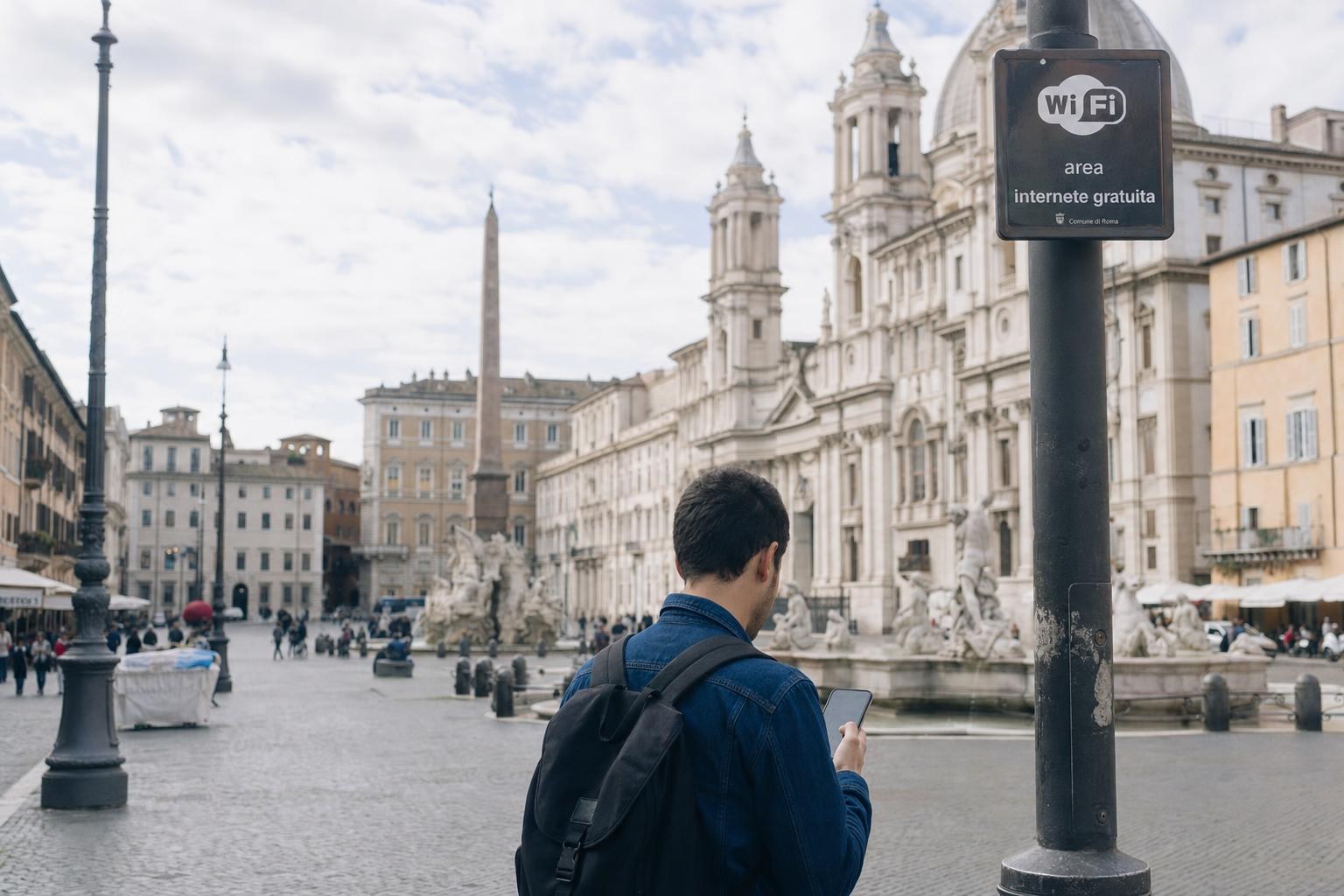
Rome has rolled out free public Wi‑Fi networks under the brands ROMACAPITALE_WIFI and Digit Roma. These networks are designed to make browsing the web, checking emails, or looking up maps easy while visiting key parts of the city. According to Turismoroma, free public Wi‑Fi is available in:
- Dozens of major piazzas such as Piazza del Popolo, Piazza di Spagna, and Piazza Navona
- Selected parks and archaeological sites
- Public libraries, municipal museums, and study halls (for example, the Palazzo delle Esposizioni studio area)
- Tourist Infopoints and official ticket offices (biglietterie) at major transport nodes like Stazione Termini and Piazzale Flaminio
Wi‑Fi access is usually signposted in these locations, and staff at museums or Infopoints can provide help if needed.
How Does the Municipal Wi‑Fi Work?
To connect:
1. Register using your email address when prompted the first time you access the network at any enabled location.
2. Your device will often reconnect automatically at other participating sites during an active session. Sessions may expire, requiring you to log in again.
3. Look for the "ROMACAPITALE_WIFI" or "Digit Roma" networks when scanning Wi‑Fi near major public spaces and ask for updated hotspot lists at Tourist Infopoints if desired.
Connectivity Near Major Attractions
If you’re touring iconic sites like the Colosseum and the Parco Archeologico del Colosseo, dedicated free public Wi‑Fi has been deployed in these areas, supported by a municipal initiative. At museums, including Palazzo delle Esposizioni, visitor Wi‑Fi is available for study or extended breaks and can be requested from staff.
Rome’s Transport and Metro Corridors
Mobile coverage, including 4G and 5G service, is expanding along principal metro lines through the Roma 5G project. Major lines like Metro A (Termini, Spagna, Colosseo, Ottaviano) are highlighted on Turismoroma as having enhanced coverage, making it easier to stay connected during transfers between attractions. While city sources mention completed phases of this upgrade, travelers may want to check for the latest station list on the municipal website.
Getting eSIMs and Local SIMs: What’s Supported?
For extended or always-on access across the city, a local Italian SIM or eSIM is recommended by both municipal and national tourism sources. It helps avoid roaming fees and provides uninterrupted data as you move between city zones.
Key points from Italia.it:
- Italy’s international dialing code is +39; a local number starts with this prefix.
- Visitors staying longer should consider purchasing an Italian SIM card; for shorter or less data-intensive stays, public Wi‑Fi may be sufficient.
- eSIMs, which require compatible phones, are also available, though operator-specific details must be checked directly with providers or at authorized retailers.
Where to Get Help or Buy a SIM/eSIM
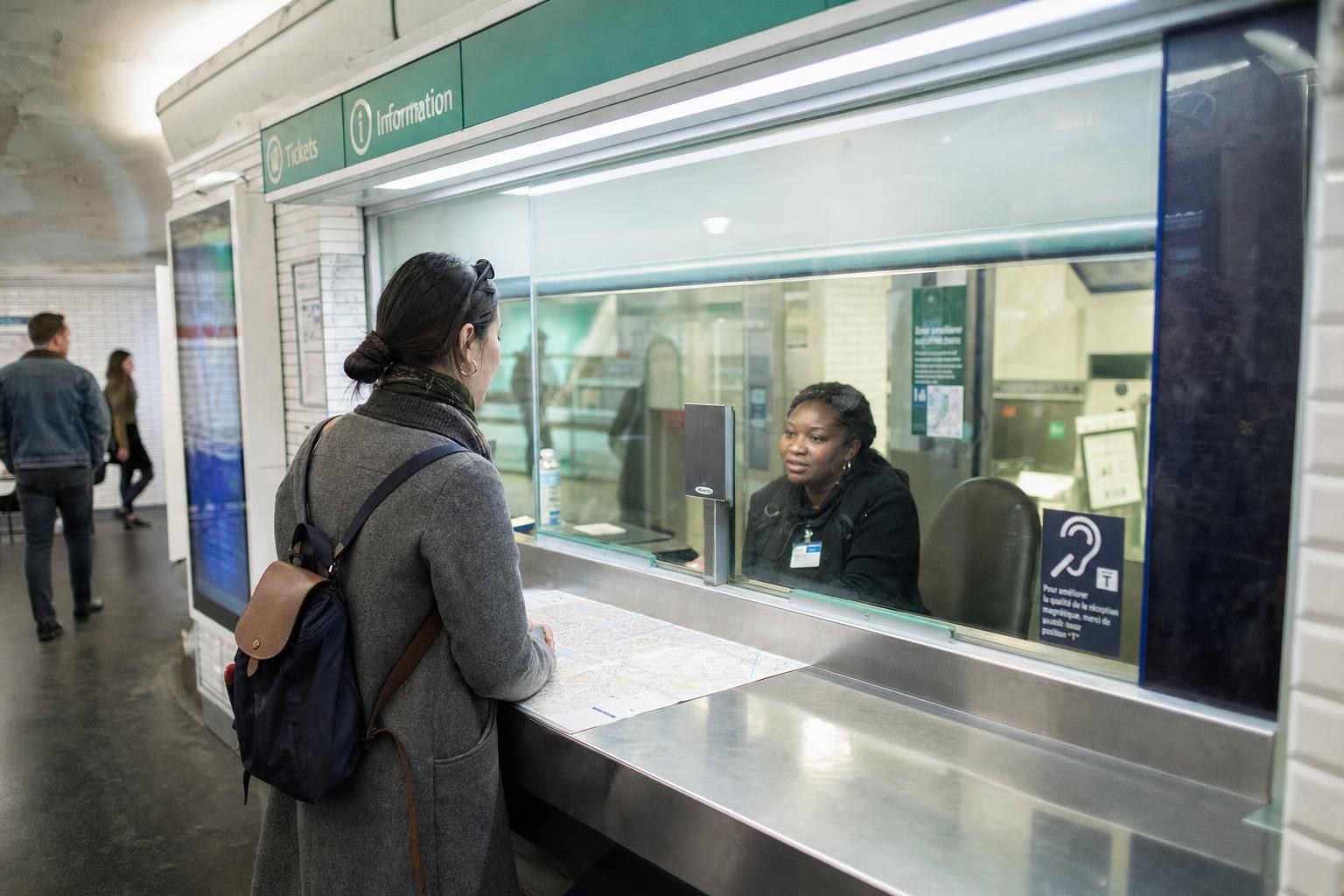
- The city’s official Tourist Infopoints, located in central zones and transport hubs like Stazione Termini and Piazzale Flaminio, are primary resources recommended for assistance. Staff can provide printed material, hotspot lists, and advice or directions to nearby mobile operator shops or electronics retailers.
- ATAC biglietterie (public transport ticket offices) also often provide tourist information and may direct you to nearby SIM retailers.
Public Wi‑Fi: Great for Breaks, Less So for Always-On Use
Public Wi‑Fi works best as a supplement—good for quick uploads, backups, or when pausing at a piazza, museum, or Infopoint. Continuous navigation, streaming, or instant communication on the go is more reliably supported by a local mobile plan.
If You Need Help
Turismoroma’s FAQ and information pages recommend that visitors approach Tourist Infopoints or municipal support desks for troubleshooting or additional information on digital access. Staff can help explain on-the-spot registration or direct you to Wi‑Fi enabled public buildings.
What Is Not Covered by Official Evidence
While official city and national tourism pages confirm Wi‑Fi locations and recommend SIM use, they do not provide up-to-date retail locations, operator-specific offers, or detailed 5G coverage maps. For those commercial details, visitors should consult mobile operator shops (such as TIM, Vodafone, and WindTre) or their authorized dealers. The municipal/national sources reviewed here do not display live plan pricing or tout specific vendors.
Planning Your Arrival and Reliable Digital Access
Whether arriving by air or train, make a point to visit a Tourist Infopoint or ATAC biglietteria shortly after arrival. There you can:
- Ask about nearby SIM or eSIM retailers
- Get printed materials (maps and Wi‑Fi hotspots)
- Receive help registering for public Wi‑Fi if required
For everyday sightseeing, review maps of municipal Wi‑Fi piazzas from the Turismoroma portal and consider a local SIM or eSIM if you rely heavily on mobile data.
Summary: Rome offers a city-scale public Wi‑Fi network in dozens of central locations and robust guidance for getting local SIM cards. For always-on connectivity, supplement municipal Wi‑Fi with a local mobile plan, and use official Infopoints for direct, up-to-date support during your stay.
Key takeaways
- Free municipal Wi‑Fi is widely available in Rome at major piazzas, select museums, parks, and official Tourist Infopoints.
- Register once with your email to use city Wi‑Fi, and reconnect automatically at most enabled locations.
- For uninterrupted, all-day access, acquiring a local SIM or eSIM from an Italian operator is recommended.
- Tourist Infopoints at transport hubs like Stazione Termini offer help, printed materials, and advice on connectivity.
- Evidence supports using public Wi‑Fi for brief tasks, but mobile data plans are superior for continuous navigation or urgent needs.
- The best way to find current SIM and eSIM retail locations is to consult local operator shops or authorized retailers nearby.
Comparisons & planning
| Spot | Type | Connectivity Options | Further Support | Location Example | Coverage Verified |
|---|---|---|---|---|---|
| Piazza di Spagna | Piazza | Municipal Public Wi‑Fi | Tourist Infopoint nearby | Historic city center | Yes |
| Stazione Termini | Transport Hub | Wi‑Fi, Mobile Operators, SIM Help | Tourist Infopoint, Biglietteria | Central train station | Yes |
| Colosseo / Parco Archeologico | Attraction/Archaeology Site | Site Public Wi‑Fi | Museum staff, signage | Archaeological Park area | Yes |
| Palazzo delle Esposizioni | Public Museum/Building | Wi‑Fi (visitor & study use) | Staff at study halls | Via Nazionale | Yes |
| Piazzale Flaminio | Transport Node | Wi‑Fi, Mobile Operators | Tourist Infopoint, Biglietteria | North Rome entrance | Yes |
| Central Public Libraries | Library | Digit Roma Wi‑Fi | Staff at desk | Multiple central locations | Yes |
Travel checklist
- On arrival, locate a Tourist Infopoint or ATAC biglietteria for up-to-date connectivity information.
- Check your device for compatibility with eSIM before seeking activation support in Rome.
- Scan for 'ROMACAPITALE_WIFI' or 'Digit Roma' in major piazzas and public spaces for free access.
- Carry photo ID when purchasing a SIM card, as retailers may require identification.
- Plan to use public Wi‑Fi for short internet sessions; rely on mobile data plans for active navigation or journeys.
- Request up-to-date hotspot lists and SIM guidance at official tourist information desks.
Frequently asked questions
Where can I find free public Wi‑Fi in Rome, Italy?
Free public Wi‑Fi is available at major piazzas (such as Piazza di Spagna, Piazza del Popolo, Piazza Navona), many municipal museums, public study halls (for example at Palazzo delle Esposizioni), large parks and archaeological areas, and at official Tourist Infopoints and ticket offices near Stazione Termini and Piazzale Flaminio.
How do I connect to municipal Wi‑Fi in Rome?
Scan for networks named ROMACAPITALE_WIFI or Digit Roma. Register with your email once at an enabled location, and your device will often reconnect at other city Wi‑Fi spots within session limits.
Is a local SIM card or eSIM recommended for visitors to Rome?
If you need constant access to mobile data (for navigation, streaming, or ride-hailing), a local SIM or eSIM is recommended. Brief visitors may get by with public Wi‑Fi alone, but coverage isn’t citywide.
Where can I get help finding SIM cards or registering for Wi‑Fi in Rome?
Official Tourist Infopoints at locations like Stazione Termini and Piazzale Flaminio provide guidance, printed hotspot lists, and directions to nearby SIM and eSIM retailers. Museum and public building staff can also help with connecting to their Wi‑Fi.
Sources and research notes 2 sources
Based on official source material. Check provider websites for changing visitor details.
Conversation
Sign in or create an account to join the conversation.