Travel tips
Staying Connected and Productive in Paris: Public Wi‑Fi, Museum Networks, and Free Workspaces
A practical guide to digital connectivity in Paris, France—covering the municipal Paris Wi‑Fi network, museum hotspots, and work-friendly public spaces. Get reliable internet on the go with official facts and planning tips for visitors and remote workers.

AI illustration · Wardhead AI · AI-generated illustration
Paris, France is celebrated not just for its art and romance, but also for its traveler-friendly approach to digital connectivity. The city offers extensive free Wi‑Fi options in public spaces, libraries, and major attractions, making it possible to balance sightseeing with remote work or study. This guide provides an evidence-based look at how to stay connected and productive throughout Paris, supported by official city and museum resources.
Paris Wi‑Fi: The City's Free Municipal Network
The City of Paris operates 'Paris Wi‑Fi,' a free municipal internet service available in more than 250 locations across the capital. Hotspots are found in city parks, gardens, municipal libraries, town halls (mairies), and some museums and cultural centers. To use the service, search for a Wi‑Fi network on your device that matches the posted signage at the venue—typically in the form 'the network identified on venue signage', where 'XXXX' is a location‑specific code. Connection instructions are displayed upon selection; you'll be directed to a web page where you accept terms to begin your session.
Check the current session limits on the connection page; reconnect only as permitted by the venue. Service availability is restricted to the opening hours of the host site—generally municipal opening times, which can vary. While many sites are open from early morning to late evening, confirm local hours in advance. Official city hotspots are mapped online, and on-site signage will indicate the precise network name for each location.
Public Libraries and Cultural Venues: Reliable Working Spaces
Municipal libraries and various cultural establishments stand out as practical venues for remote work. City guidance explicitly lists libraries among public spaces where you can take a seat, log onto Paris Wi‑Fi, and often access power sockets. Some libraries offer specific coworking or study zones—ideal for travelers who require a quiet spot or need to charge devices. Policies can differ, so check welcome desk staff or library websites for details about available amenities and reserved spaces.
For those without a laptop or smartphone, Paris provides 'Espaces Publics Numériques' and local digital access points. These supervised public centers offer computers, internet access, and digital support—useful for short, device-free tasks such as printing tickets or accessing online bookings. Locations are detailed in the city's official directory and digital inclusion resources.
Wi‑Fi in Major Museums and Landmarks
Large museums in Paris supplement municipal connectivity with dedicated visitor networks. The Musée du Louvre, for instance, provides free Wi‑Fi under the SSID 'the museum network identified onsite' in its main lobby beneath the Pyramid and across exhibition rooms, with on-site instructions for access. This enables visitors to use museum mobile guides and online services during their visit.
Similarly, other notable museums and municipal attractions either participate in the Paris Wi‑Fi scheme or operate their own networks. Official museum websites or on-site information panels will display the exact network name and usage instructions. Always verify Wi‑Fi details with museum staff or official guides to ensure a secure connection.
Landmark Highlight: Eiffel Tower
The Eiffel Tower operates its own visitor Wi‑Fi, facilitating access to a web-based mobile guide (no app required). The network name is 'the visitor network identified onsite', and it’s designed to help you access multimedia visitor information directly in your device’s browser—especially useful for those lacking mobile data while in France. Instructions are present at major visitor entry points, and using this connectivity is encouraged for an enhanced experience atop this Paris landmark.
Connectivity on the Move: Metro and Public Transport
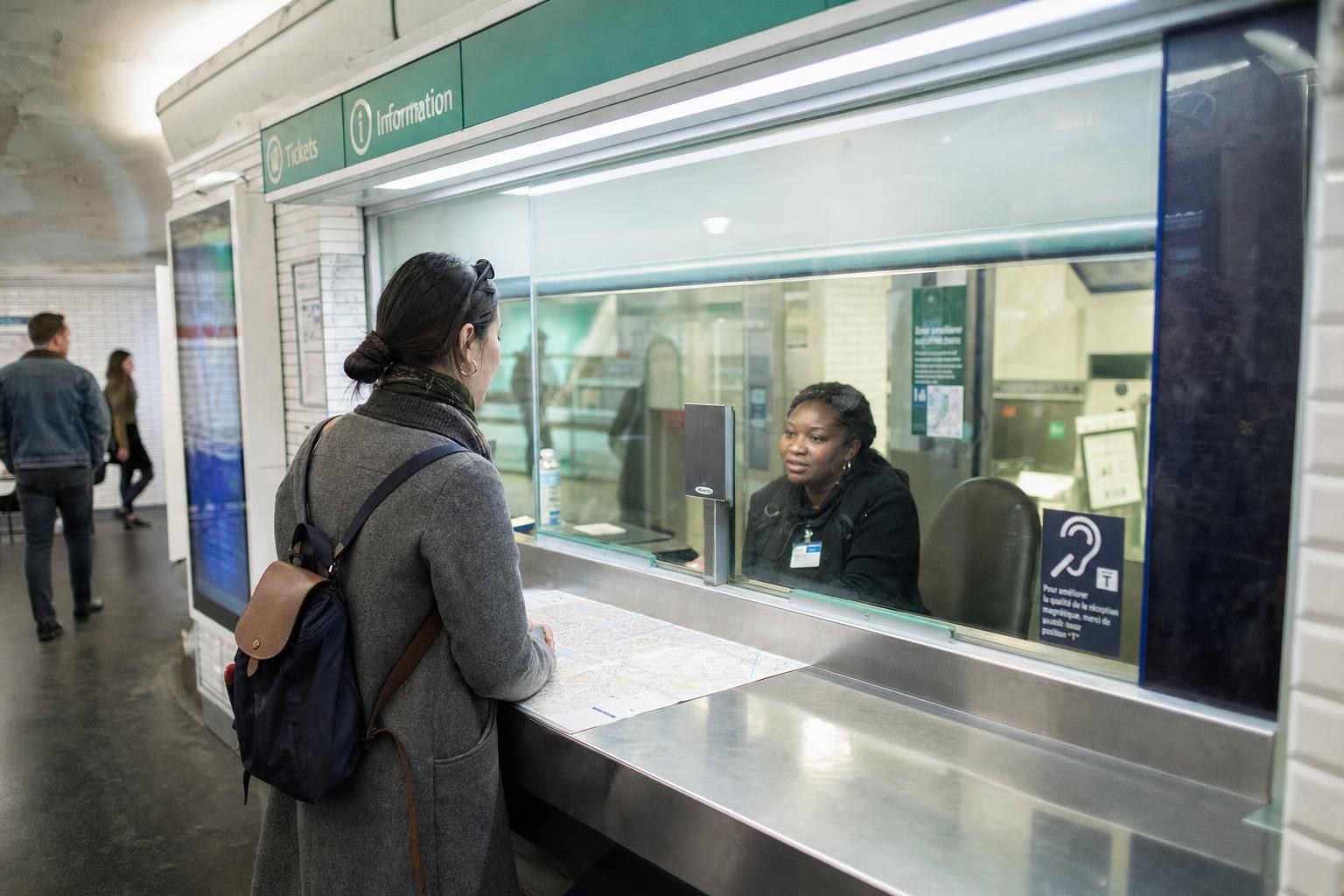
While city authorities have worked to expand mobile (4G/4G+) coverage in the Paris Metro, there is no official public Wi‑Fi system in underground stations or trains. Connectivity beneath street level depends on mobile operator coverage, which varies by station and line. For up-to-date, technical coverage maps or tunnel signal quality, consult your mobile provider directly—these specifics are not included in municipal Wi‑Fi resources.
Staying Secure and Productive: Practical Planning
To minimise security risks and ensure a reliable connection, connect only to official Wi‑Fi networks as posted at each site. Genuine Paris Wi‑Fi, museum, and landmark hotspots will be announced via official city signage, network names (SSID), and browser-based login pages. Avoid unverified or suspiciously named networks, particularly in busy tourist hubs.
For mixed sightseeing and remote work days, consider pairing time at municipal libraries (for desk space and outlets) with cultural visits that feature free visitor Wi‑Fi. Check the current session limits on the connection page; reconnect only as permitted by the venue. For longer remote work stretches or when reliability is crucial (such as video calls), carry a European power adapter and consider an eSIM or prepaid SIM card for mobile data. Venue-specific room usage and equipment policies—such as laptop permission or reservation systems—should always be confirmed via official venue pages or at reception upon arrival.
Mapping and Accessing Hotspots
The City of Paris provides an open, updated map and dataset of all Paris Wi‑Fi hotspots. These tools are valuable for planning flexible, connected days and identifying work-friendly spaces throughout the city. Use these resources to search for hotspots near your planned destinations or accommodation to optimize your working and sightseeing schedule.
What Remains Unverified
While this guide draws from official city and cultural institution resources, no authoritative claim is made regarding exact speed, bandwidth, or signal strength at individual hotspots or in metro tunnels. For precise, real-time technical performance or commercial roaming information, consult mobile providers or technical maps outside of the official Paris Wi‑Fi and visitor service pages.
Paris’s investment in public digital resources means that—whether you’re in a leafy park, grand library, iconic museum, or beneath the Eiffel Tower—chances are strong you’ll find a secure and free internet connection to help you stay productive on the move.
Key takeaways
- The City of Paris operates hundreds of free Wi-Fi hotspots (‘Paris Wi‑Fi’) in municipal spaces, with clear session rules and posted network names at each site.
- Major museums such as the Louvre and landmarks like the Eiffel Tower maintain their own free visitor Wi-Fi networks, intended for both connectivity and mobile guides.
- Municipal libraries are officially recognised as public working spaces, providing power sockets and Wi-Fi, and some offer dedicated coworking or study zones.
- Public digital access points (‘Espaces Publics Numériques’) enable those without a device to access basic internet services and assistance.
- Check the current session limits on the connection page; reconnect only as permitted by the venue. Check the current session limits on the connection page; reconnect only as permitted by the venue.
- Detailed speed or mobile operator coverage in the metro is not provided on official municipal or museum visitor pages.
Comparisons & planning
| Place | Connection information | Practical use |
|---|---|---|
| Municipal venues | Follow posted Paris Wi-Fi connection instructions | Light browsing and trip planning during venue access hours |
| Louvre | Check the current visitor Wi-Fi instructions onsite | Visitor information and museum guides |
| Eiffel Tower | Follow the official mobile visitor-guide instructions | Visitor guide access |
| Municipal libraries | Check the individual library facilities and access conditions | Reading and quiet work where permitted |
Travel checklist
- Search for the correct official SSID at municipal, museum, and landmark sites—use publicly posted signage to confirm the network.
- Use Paris Wi‑Fi for light browsing, email, or booking management tasks while respecting session time limits.
- Plan longer working sessions in municipal libraries, which provide desks and power outlets, and supplement with mobile data if needed.
- At the Louvre and Eiffel Tower, connect to dedicated visitor Wi‑Fi networks (‘the museum network identified onsite’ and ‘the visitor network identified onsite’ respectively) for access to guides and services.
- Visit an ‘Espace Public Numérique’ if you require a public computer or need assistance with digital tasks.
- Consult the official Paris open data map to locate Wi-Fi hotspots and work-friendly venues close to your itinerary.
Frequently asked questions
Where can I find public Wi-Fi in Paris?
Free public Wi-Fi is offered under the Paris Wi‑Fi network in municipal libraries, parks, town halls, certain museums, and cultural venues. Hotspot locations are available via the official Paris open data map.
Do museums and landmarks provide their own Wi-Fi?
Yes. Notable attractions such as the Louvre and the Eiffel Tower operate their own free visitor Wi-Fi, with clear SSIDs and posted access instructions at each site.
Is Wi-Fi available in the Paris Metro?
This guide covers municipal and visitor Wi-Fi networks, not station-by-station Metro connectivity. For underground mobile coverage, consult your operator and official transport information.
Sources and research notes 7 sources
Based on official source material. Check provider websites for changing visitor details.
Conversation
Sign in or create an account to join the conversation.