Itineraries
Tiber Crossings & Trastevere Evenings: A Four-Season Walking Itinerary through West-Central Rome, Italy
Discover Rome’s riverside charms, ancient ruins, and Trastevere’s vibrant evenings with a walkable route from the Colosseum Archaeological Park to the heart of Trastevere. This guide offers a practical itinerary for all seasons—highlighting Tiber crossings, scenic viewpoints, and the lively local atmosphere of Rome’s west-central quarters.
AI illustration · Wardhead AI · AI-generated illustration
Introduction
Rome, Italy—famed for its ancient marvels, meandering river, and dynamic neighbourhoods—is especially captivating along the western central loop that links the Colosseum Archaeological Park, lively Tiber crossings, and the vibrant social core of Trastevere. This four-season walking itinerary connects Rome’s archaeological, riverside, and neighbourhood identities into a day rich in varied scenery, photogenic views, and authentic evening atmosphere. The route is designed for those who want to embrace the city’s outdoor life, adapt to different seasonal moods, and discover the transitions between historic ruins and Roman street life at a relaxed walking pace.
Morning: Ancient Foundations at the Parco Archeologico del Colosseo
Begin your journey at the Parco Archeologico del Colosseo, one of Rome’s largest contiguous collections of ancient sites. The official archaeological park encompasses the Colosseum, Roman Forum, and Palatine Hill—a trio that reveals the monumental and residential heart of ancient Rome. Orientation maps from Turismo Roma show how these areas are physically interconnected. Start your walk early to enjoy quieter pathways and cooler temperatures, especially in high summer or on crisp winter mornings.
Take time to wander through the Colosseum’s monumental arches. Continue up the Palatine Hill for sweeping cityscapes, then descend into the Roman Forum’s network of historic streets and ruins. Facilities such as toilets and information points are available throughout the park as noted on official visitor pages; accessibility and visitor services may vary by entrance—confirm on the park’s website for the latest arrangements, especially if traveling with mobility needs.
Midday: Strolling the Jewish Ghetto and Isola Tiberina
Upon exiting the Parco Archeologico del Colosseo, navigate northwest along the ancient route of Via dei Fori Imperiali toward the Jewish Ghetto. Official maps indicate this as a highly walkable stretch, passing by layered architectural history and opening onto the atmospheric lanes of the Ghetto. This neighbourhood features notable squares and historic markers—perfect for a midday pause.
Continue toward the Tiber and cross via the characteristic Isola Tiberina, the small island that splits the river and acts as a pedestrian link between central Rome and its right-bank quarters. Isola Tiberina’s walkways are accessible year-round and provide unique perspectives for photography or brief rest beside the river. During spring and summer, this area often hosts temporary open-air events, but such calendars should always be verified with the municipal or official events pages before making plans around them.
Afternoon: Into Trastevere’s Characterful Lanes
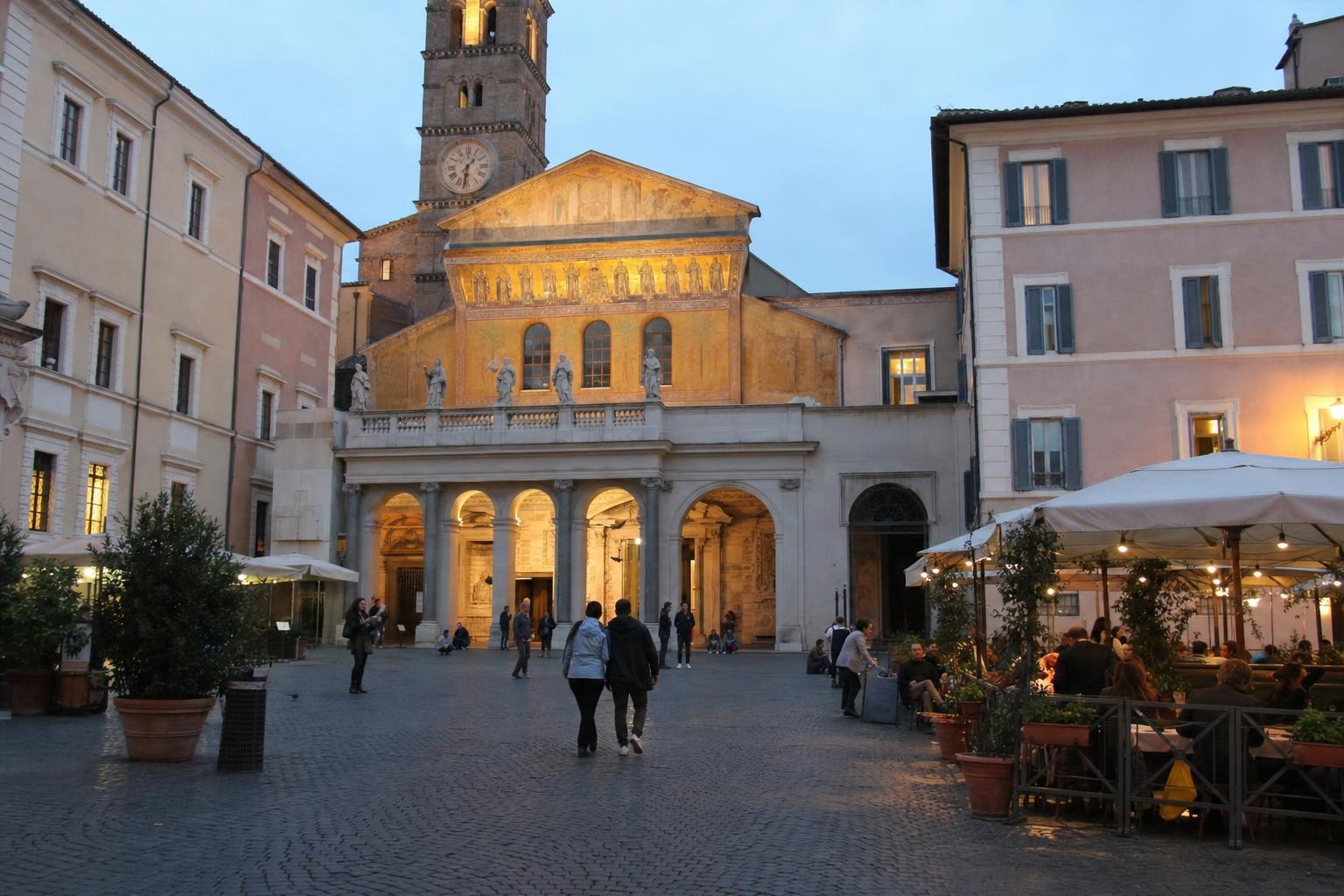
Once across to the west bank, you’ll enter Trastevere—Rome’s famed rione characterized by cobbled alleys, ochre facades, artisan shops, and a growing selection of cafés and trattorias. The main square, Piazza Santa Maria in Trastevere, is both a resting point and a magnet for Roman daily rhythms. Daytime brings quieter lanes, ideal for exploring artisan boutiques or taking a break at local bakeries and gelaterias.
Trastevere’s streets prioritize pedestrians. Walking routes shown on official tourism maps highlight connections between stately churches, pocket-sized piazzas, and local produce markets, which ebb and flow with the seasons. If you’re keen on sampling traditional fare, consider returning in the evening when the neighbourhood’s trattorie come alive; capacity and outdoor seating vary with local regulations and the time of year.
Seasonal Variation: Spring and Summer afternoons fill Trastevere with alfresco dining, open squares animated by street musicians, and extended opening hours for artisan workshops. In autumn and winter, the rhythm slows, and you’ll find more locals than tourists lingering in bars and under sheltering porticoes.
Evening: Gianicolo Hill Viewpoints and Trastevere Nights
For an elevated panoramic, follow the official neighbourhood wayfinding toward the Gianicolo (Janiculum Hill). This historic parkland, perched above Trastevere, is mapped as a renowned sunset and viewpoint destination. The timing and vibrancy of the scene changes with the season—golden hour in late spring and autumn can offer particularly dramatic vistas across the Roman rooftops.
After sunset, descend back into Trastevere’s social heart as its evening buzz begins in earnest. Piazza Santa Maria in Trastevere and the neighbouring lanes host a mosaic of dining options, from old-world osterie to cosmopolitan bars. Seasonal conditions shape outdoor seating availability and street life, so check local listings or ask at your accommodation for current event highlights. While the area remains lively year-round, expect more tables outside and bustling nightlife in the warmer months.
Practical Route and Accessibility Notes
- The entire itinerary is walkable and mapped on official Rome tourism PDFs, with options to shorten or extend via riverside detours or hill ascents.
- The Parco Archeologico del Colosseo is accessible via official entrances and is served by toilets and information services; always check the park’s own website for any special accessibility arrangements, especially before busy seasonal periods.
- Tiber crossings (notably at Isola Tiberina) are open to foot traffic and facilitate seamless transition between Rome’s left and right banks.
- Public transit serves all anchor points; official tourist maps show local tram and bus stops if you wish to connect legs or reduce walking.
- Seasonal events, exhibitions in the Colosseum complex, and municipal festivals in Trastevere require date-specific confirmation via the official websites and local information points referenced below.
Take advantage of Rome’s well-signposted pedestrian clusters, and adapt your pacing to the season and your interests. This west-central loop blends antiquity, river life, and the living fabric of Roman evenings—for a route that remains atmospheric and practical in every season.
Key takeaways
- Rome’s west-central loop links major ancient sites, river crossings, and Trastevere’s evening scene in a walkable sequence.
- The Parco Archeologico del Colosseo combines the Colosseum, Roman Forum, and Palatine Hill for an immersive historic start.
- Pedestrian Tiber crossings, especially via Isola Tiberina, connect city neighbourhoods and provide scenic stops.
- Trastevere’s alleys, squares, and cafes form a lively hub for afternoon and evening exploration, with activity levels shifting seasonally.
- Gianicolo (Janiculum Hill) offers panoramic sunset views; plan timing and ascent based on the time of year.
- Official Rome tourism maps and municipal sites are essential for route planning and checking seasonal events or accessibility arrangements.
Comparisons & planning
| Stop | Area | Type | Official Description | Seasonal Variation |
|---|---|---|---|---|
| Parco Archeologico del Colosseo | Historic Centre | Archaeological Site | Colosseum, Forum & Palatine as one park area | Outdoor exploration in all seasons |
| Jewish Ghetto | Central Rome | Historic Neighbourhood | Atmospheric lanes, local food | Events and street life shift by season |
| Isola Tiberina | Tiber River | Island/River Crossings | Pedestrian link, unique views | Site for occasional events, esp. spring/summer |
| Trastevere (Piazza Santa Maria) | Trastevere | Neighborhood/Square | Heart of Trastevere, cafes, nightlife | Alfresco dining and busier scene in warmer months |
| Gianicolo (Janiculum Hill) | Above Trastevere | Viewpoint/Park | Panoramic Roman city views | Appeal strongest at sunset; timing varies with season |
Travel checklist
- Download official Roma tourism maps for walking route planning
- Begin early at Parco Archeologico del Colosseo for quieter visits
- Pack comfortable walking shoes for cobbled lanes in the Jewish Ghetto and Trastevere
- Use Isola Tiberina for convenient Tiber crossing and scenic rest stop
- Check official park and municipal websites for seasonal events and accessibility info
- Consider seasonal variations in sunset times when heading to Gianicolo viewpoint
- Reserve evening dining in Trastevere in high season, if possible
Frequently asked questions
Is this walking itinerary suitable all year round?
Yes, the route links outdoor and neighbourhood attractions that are visitable in all seasons. Activity levels and outdoor seating in Trastevere, as well as viewing conditions on Gianicolo Hill, change depending on the weather and daylight hours. Check municipal websites for details on seasonal events or access.
Are the main sites accessible by public transport?
Yes, the Colosseum, Tiber crossings, and Trastevere are all served by tram, bus, or metro. Official maps from Turismo Roma show transport stops and walking paths for easier planning.
Where can I find up-to-date information on events in Trastevere or at the Colosseum?
Consult the official sites for Parco Archeologico del Colosseo and the Turismo Roma neighbourhood pages for calendar updates, seasonal exhibitions, or temporary closures.
How long does the walk take?
The core itinerary is walkable in a full day, but timing depends on your pace, time spent at each stop, and detours. Most visitors find it comfortable to divide between morning ruins, midday river crossing, and an extended Trastevere afternoon and evening.
Has anything here changed?
Help us keep these practical details accurate.
Sources and research notes 2 sources
Based on official source material. Check provider websites for changing visitor details.
Conversation
Sign in or create an account to join the conversation.