Itineraries
Ciutat Vella to Montjuïc: A One-Week Route through Barcelona’s Historic Core, Waterfront Quarters and Hilltop Cultural Cluster
Explore the heart of Barcelona, Spain, over a week-long itinerary linking the Ciutat Vella’s medieval streets, the lively seafront of Barceloneta and Port Vell, the architectural icons of Eixample, and the panoramic museums and parks of Montjuïc. This guide clusters days by area, uses the integrated metro/bus network, and provides practical context for a relaxed, memorable visit.
AI illustration · Wardhead AI · AI-generated illustration
Introduction
Barcelona, Spain is a city of layers—Roman origins, medieval alleys, vibrant port life, striking modernist buildings and lush hilltop parks. This one-week itinerary links Ciutat Vella’s historic neighbourhoods, the maritime atmosphere of Barceloneta and Port Vell, a focused Eixample architecture day, and Montjuïc’s cultural and green spaces. Grouping dates by walkable clusters and using the city's public transport makes for a practical, immersive route whatever your visiting pace.
Day 1–2: Exploring Ciutat Vella’s Historic Heart
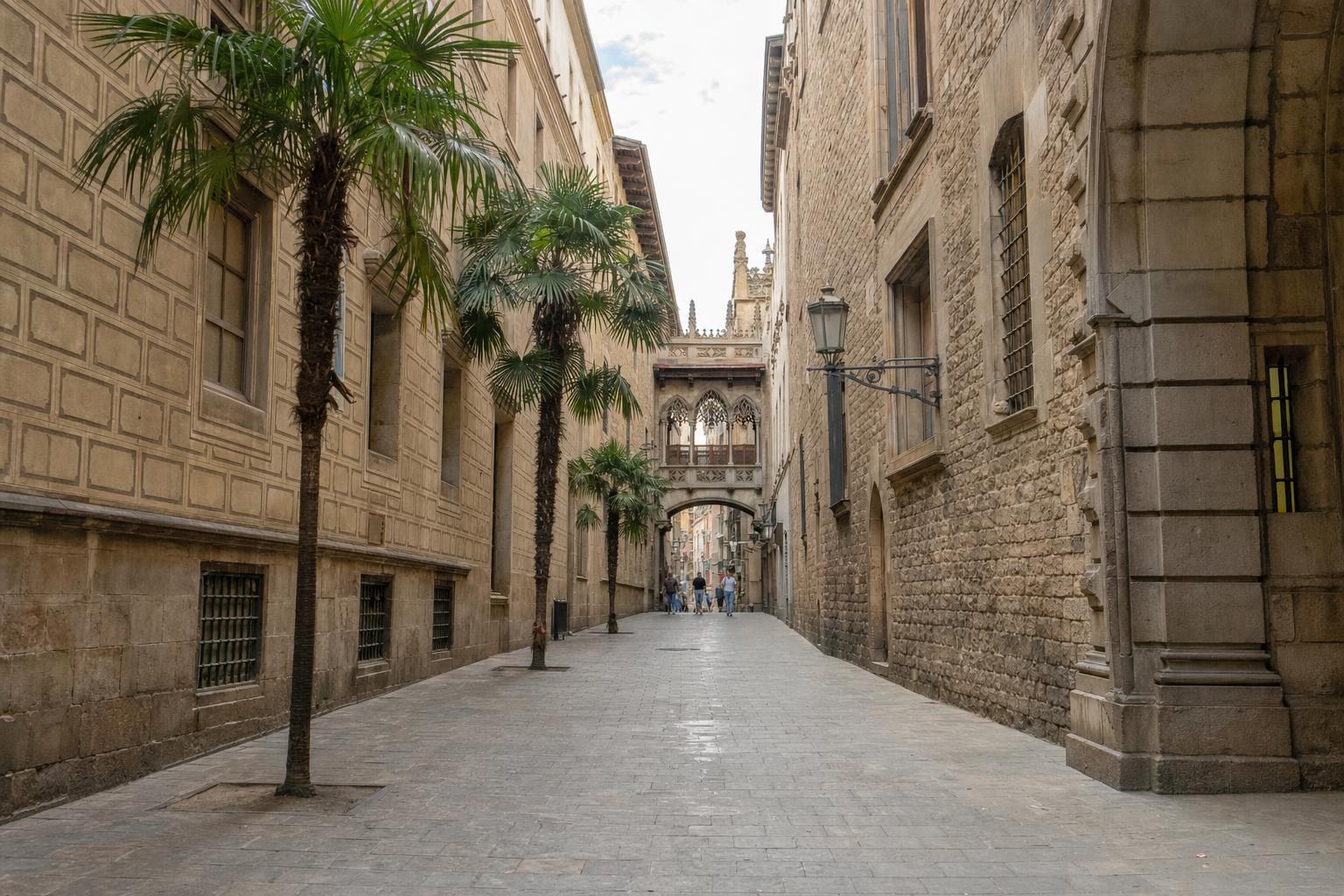
Ciutat Vella is Barcelona’s ancient core, where winding streets reveal Gothic churches, Roman walls, bustling squares and rich layers of the city’s history. Base your first two days here:
- Start in the Barri Gòtic (Gothic Quarter): Stroll through Plaça Sant Jaume, admire the Barcelona Cathedral, and trace parts of the old Roman walls. The tiny streets are full of hidden courtyards and traditional shops documented in local district guides.
- Explore El Born and La Ribera: To the east, El Born features grand medieval architecture, narrow streets, museums and stylish boutiques. The area balances historical monuments with lively bars and contemporary culture, making it ideal for afternoons or dinner. Look for the bustling Plaça de Santa Maria and visit the Santa Maria del Mar church.
- Don’t miss the Picasso Museum and the Born Cultural Centre. Both are major draws and offer insight into the creative heritage of the area. Evenings are best spent at small tapas bars or sampling Catalan cuisine at local bistros described in city shop and food guides.
- Sant Pere, Santa Caterina and La Ribera offer a further blend of daily local markets, historic sites and quieter corners, and can easily be combined into a half-day walk.
Day 3: La Barceloneta and Port Vell — Seaside Life
Shift your focus to Barcelona’s maritime side. La Barceloneta, founded in the 18th century for fishermen and dockworkers, has kept a lively, authentic feel.
- Morning: Walk La Barceloneta’s grid-pattern streets. Pause at simple neighborhood bakeries or a local café. Turisme de Barcelona highlights the area’s close link to the sea, echoing in the nautical details and traditional seafood restaurants.
- Late morning/afternoon: Head to Barceloneta Beach for a stroll along the sand or promenade. The lively seafront is perfect for relaxing, people-watching, or even a quick dip, depending on the weather. Eat at one of the classic seafood restaurants.
- Continue north to Port Vell for harbor views, a visit to Maremagnum shopping complex or just a breezy marina walk.
- Official city routes pair this day cluster with easy access to the Ciutat Vella quarters—walking times are short, so no need to plan long transfers.
Day 4: Passeig de Gràcia and Modernisme Icons (Eixample Day)
Dedicate a day to the Eixample district, focusing on the boulevard of Passeig de Gràcia. This centerpiece of Modernisme is home to some of Antoni Gaudí’s most important works and other standout buildings documented in Spain’s official tourism guides:
- Walk from Plaça de Catalunya up Passeig de Gràcia, admiring Casa Batlló, Casa Milà (La Pedrera), and other modernist buildings. Each is within a short walk, with many open to visitors.
- Plan a mid-day visit to the Sagrada Família, the city’s architectural signature. Reach it by metro (L2 or L5) or bus from central Eixample. Book your entry in advance via the official channels for the best experience.
- For variety, include a visit to a lesser-known modernist spot or a local café for midday rest.
Day 5: Montjuïc Parks and Museums (Part 1)
Montjuïc forms a green hilltop just above the city centre, packed with gardens, landmarks, and museums. It’s efficiently reached via funicular or bus from Plaça Espanya, and the area is mapped in official route guides.
- Begin at the base, take the Montjuïc funicular from Paral·lel metro, and ascend to the plateau.
- Spend the day at the Museu Nacional d'Art de Catalunya (MNAC), famous for its Romanesque and Catalan art. The location provides sweeping city views from the front steps.
- After the museum, explore the surrounding gardens (Jardins de Laribal, Jardins de Joan Maragall), or relax in open spaces and take in the panoramas down toward Plaça Espanya.
- Finish by walking to the nearby Magic Fountain area, especially if visiting in the evening.
Day 6: Montjuïc’s Cultural and Outdoor Spaces (Part 2)
- Visit the Joan Miró Foundation for a lighter day of modern art, or Poble Espanyol for an open-air architectural museum capturing Spain’s regional styles.
- Consider a cable car ride to Montjuïc Castle, which is perched at the top and offers spectacular views of the harbour and city.
- Depending on your interest and pace, end with a stroll through the Olympic Ring or gardens before descending—either on foot, funicular or bus.
Day 7: Flexible Day and Departure
Let your interests shape your final day. Options include:
- Revisit favourite neighbourhoods or those not yet explored, such as El Raval or Sant Antoni.
- Take a brief morning trip outside the city to Park Güell, which is celebrated in local and national guides for its unique Gaudí mosaics and playful landscaping. Reach it using the metro (L3 to Lesseps then a walk).
- Shop in central markets and boutique streets, using city guides for recommended shops and local goods.
- Use your Hola Barcelona travel card for easy metro/bus connections to the airport or train station when departing.
Practical Planning Tips
- Grouping your week by area minimizes backtracking and allows deeper immersion in each neighbourhood’s atmosphere.
- Barcelona’s TMB metro and bus networks connect all named areas in this itinerary. The Hola Barcelona travel card allows unlimited journeys and is valid for metro, city bus, Montjuïc funicular, tram, and FGC Zone 1, simplifying fare planning.
- Ciutat Vella is walkable; plan extra time for spontaneous discoveries in its streets.
- Major museums (MNAC, Joan Miró Foundation, Picasso Museum) can be busy—consider advance booking for guaranteed access on your chosen day.
- Detailed opening times, ticketing options, and live service changes are subject to regular updates not covered by static guides; always check the official websites or tourist information before each visit for the latest details.
This route offers a structured yet flexible tour of Barcelona’s most atmospheric districts, from the stone-paved heart to the breezy hilltop parklands, with efficient use of public transport and sensible transfer times.
Key takeaways
- Cluster sights by neighbourhood—Ciutat Vella, Barceloneta, Eixample, Montjuïc—for efficient, relaxing days.
- Barcelona’s metro and bus network (operated by TMB) connects all main zones in this itinerary.
- The Hola Barcelona card covers unlimited city metro, bus, FGC (Zone 1), tram and Montjuïc funicular journeys—ideal for week-long stays.
- Ciutat Vella’s sub-neighbourhoods (Gòtic, El Born, Barceloneta) are highly walkable; expect short transfers and spontaneous finds.
- Montjuïc concentrates major museums and gardens—plan consecutive days for MNAC, Miró Foundation, and castle viewpoints.
- Detailed opening times and ticketing rules for individual attractions may change; check official sites before your visit.
Comparisons & planning
| Day(s) | Area | Main Sights / Experiences | Transport Links | Notable Character |
|---|---|---|---|---|
| 1–2 | Ciutat Vella (Gòtic, El Born, Sant Pere) | Cathedral, Plaça Sant Jaume, Picasso Museum | Metro L3, L4; walking | Medieval streets, Roman ruins, hidden squares |
| 3 | Barceloneta and Port Vell | Barceloneta Beach, Port Vell, seafood dining | Metro L4, buses, walking | Seaside vibe, fishing heritage, waterfront promenade |
| 4 | Eixample (Passeig de Gràcia) | Casa Batlló, La Pedrera, Sagrada Família | Metro L2, L3, L5, buses | Wide boulevards, Modernisme architecture |
| 5–6 | Montjuïc | MNAC, Miró Foundation, Magic Fountain, gardens | Funicular, bus, cable car | Hilltop museums, city views, extensive greenery |
| 7 | Flexible / Departure | Park Güell, return to key districts, shopping | Metro, bus, Aerobus | Open, for final highlights and discoveries |
Travel checklist
- Organize days by geographical area (historic core, waterfront, Eixample, Montjuïc).
- Purchase a Hola Barcelona travel card for unlimited city transport.
- Book major museum or attraction entries in advance where possible.
- Download a metro/bus map and check TMB for live service information.
- Have walking shoes—Ciutat Vella’s streets are best explored on foot.
- Plan airport/public transport connections in advance (Aerobus, metro, FGC, local bus).
Frequently asked questions
Which public transport pass is best for a week in Barcelona?
The Hola Barcelona travel card is recommended for visitors spending several days in Barcelona. It allows unlimited travel on the TMB metro and bus network, the Montjuïc funicular, tram, and FGC trains within Zone 1.
Is it necessary to use public transport every day for this route?
No—days spent within Ciutat Vella, Barceloneta or Montjuïc can largely be done on foot. Public transport is essential when moving between clusters or visiting outlying sights like the Sagrada Família or Park Güell.
How should I plan for Eixample’s major Gaudí sights?
Dedicate a single day to Eixample’s Modernisme cluster. Book tickets for popular sights (such as Sagrada Família) in advance, and use the metro for quick connections between Passeig de Gràcia and the basilica.
Where can I check the latest service updates for Barcelona’s metro and buses?
Consult TMB’s official website or app for real-time service updates, network maps, and accessibility information. This is the most reliable resource for planning journeys and checking operational changes.
Sources and research notes 4 sources
Based on official source material. Check provider websites for changing visitor details.
Conversation
Sign in or create an account to join the conversation.