Travel tips
Cross-Tiber Transfers and Timed Buffers: Practical Transport Connections between Rome’s Historic Core, Trastevere and the Airports
A detailed guide for travelers moving between Rome’s historic center, lively Trastevere, and Rome’s two main airports—Fiumicino and Ciampino. Learn about direct and regional train options, shuttle connections, surface transport, and how to plan realistic time buffers for smooth, stress-free transfers.
AI illustration · Wardhead AI · AI-generated illustration
Rome, Italy’s storied capital, presents a unique set of challenges and choices for travelers examining their routes between the historic center, the vibrant riverside quarters of Trastevere, and the key air gateways of Fiumicino and Ciampino. This guide demystifies the practical transport links that knit these zones together—and helps you plan for realistic time and connection buffers for a seamless journey.
Getting Your Bearings: Geography and Key Transfer Points
Rome’s Historic Core, typified by the area around the Pantheon, Colosseum, and nearby Termini station, is dense with major sights and hotels, and is the main interchange for long-distance and airport-bound trains. Trastevere, southwest and just across the Tiber River, is famed for its evening energy, local character, and connections via regional rail. Rome’s two principal airports, Fiumicino (Leonardo da Vinci) and Ciampino, each have distinct transfer options—and both require planning to navigate the often busy and fragmented urban network.
Leonardo Express: Direct Termini–Fiumicino Services
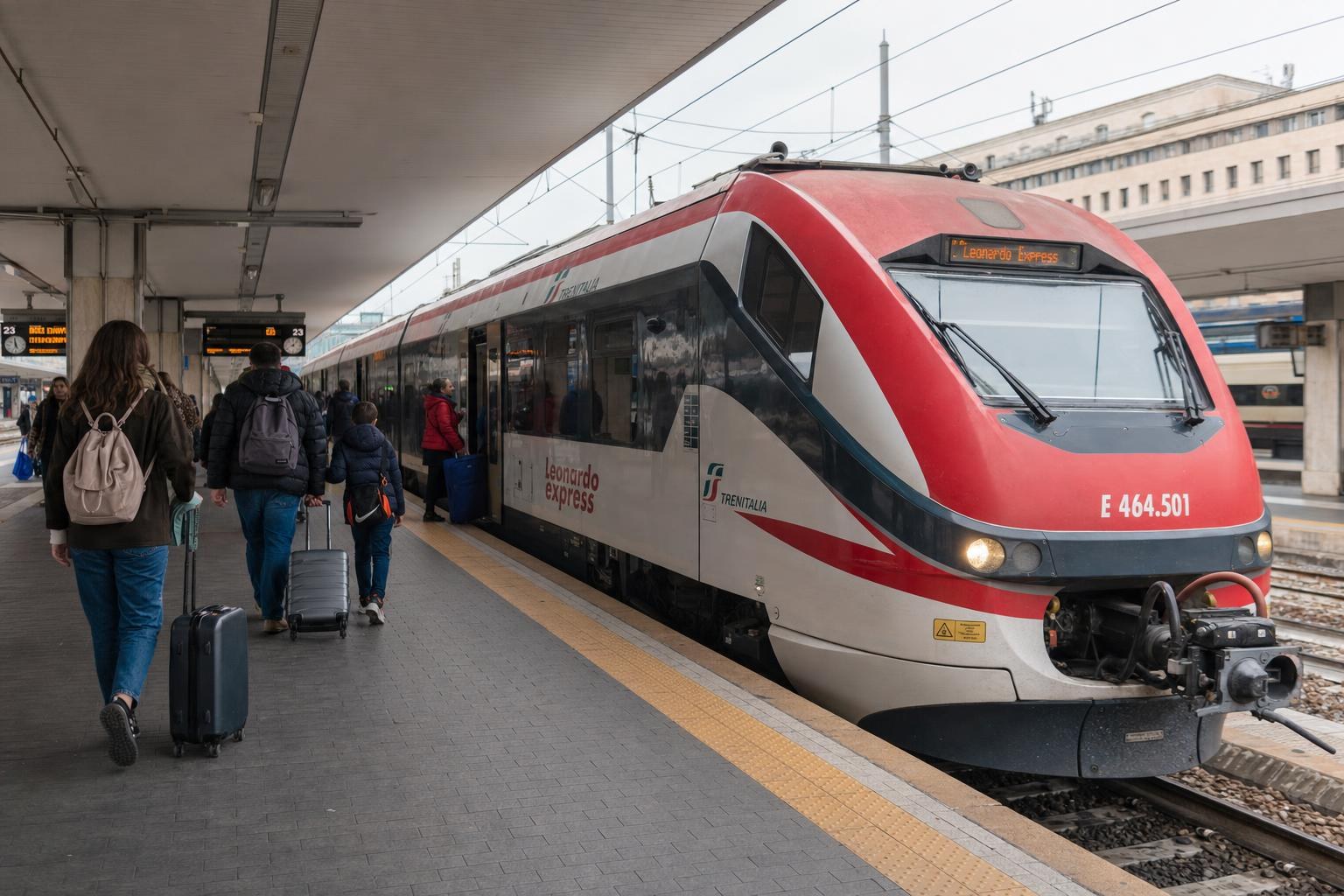
Trenitalia’s Leonardo Express is the direct, dedicated rail link between Roma Termini station and Fiumicino Airport. The journey is non-stop, taking 32 minutes, and departures typically run with a frequent pattern throughout the day. The Leonardo Express is the fastest, simplest option for those based near Termini or able to reach it via Rome’s Metro (Lines A and B), especially when calculating tight flight check-in margins or planning with large luggage. Note: tickets must be purchased specifically for the Leonardo Express—Rome’s Metrebus tickets are not valid for this service. Consult the official Trenitalia pages for current frequencies and operational information, as live schedules and access arrangements may adjust for works or operational reasons.
FL1 Regional Rail: Fiumicino to Multiple Rome Stations Including Trastevere
The FL1 line is Trenitalia’s regional service that connects Fiumicino Airport with several major Rome stations, including Roma Trastevere, Roma Ostiense, and Roma Tiburtina, with multiple stops along the urban route. The FL1 typically runs every 15 minutes on working days, making it an excellent, flexible choice for those staying in Trastevere or other neighborhoods not immediately adjacent to Termini. Unlike the non-stop Leonardo Express, the FL1 makes several stops but can place you closer to accommodations or evening destinations with only a single transfer.
However, allow for extra buffer time on the FL1, especially during peak hours or if your plans depend on onward connections with urban buses or trams. As always, confirm your ticket is valid for the FL1: the service uses regional rail tickets, separate from the Leonardo Express fare and the Metrebus system. Timetables and calling patterns are published on Trenitalia’s official site for advance planning.
Ciampino Airport: The Airlink Shuttle and Station Connection
Ciampino Airport is not served by a direct train but is integrated into the city network via a dedicated shuttle bus to the Ciampino FS railway station (distinct from the airport). The Trenitalia Airlink shuttle takes about 10 minutes and drops you at Ciampino station, where you can board frequent regional trains for Roma Termini or other city stops. Tickets for the airlink and train can often be purchased together, but always verify current arrangements on Trenitalia’s site, as operational routines change during periods of station work or regional disruption.
Getting Between the Historic Core and Trastevere: Surface Transport Realities
While Rome’s historic center is well-served by Metro lines A and B, Trastevere lies just outside the core Metro network. The transfer between the two, especially from iconic sights like the Pantheon or Colosseum to Trastevere’s dining and nightlife, is generally best accomplished by surface tram or bus. Turismo Roma’s official maps highlight major tram corridors and frequent bus lines linking the two banks of the Tiber. However, expect crowded conditions especially on evenings and weekends, and plan buffer time for slower traffic—tram and bus lines can face delays at street level.
Key stops to target in Trastevere include the Roma Trastevere train station (convenient if arriving via FL1 or city bus) and Piazza di Santa Maria in Trastevere (the atmospheric heart of the neighborhood). From the historic center, identify the nearest Metro or tram/bus stop—often not immediately adjacent to every major sight—to begin your transfer. For the reverse flow, particularly at peak times, allow extra time for unpredictable passenger loads. Since Metro, tram, and buses run separate from the Trenitalia airport/regionale tickets, ensure you use the correct fare type. Official tourism maps provide clear route overlays for self-navigation.
Planning Transfer Buffers: How Much Time to Allow?
Official sources do not publish exact recommended intermodal buffer times for every connection, and real-world conditions vary. However, for travelers transferring between modalities (for example, from tram to train, bus to Metro, or FL1 to surface bus), the following official planning logic is suggested:
- When using the Leonardo Express for airport transfers, allow additional time for ticket purchase, security, or platform changes at Termini—especially if arriving from or transferring to Metro lines. The direct train is reliable, but platforms can involve short walks and crowded escalators.
- If using FL1 to Trastevere or Tiburtina, build in extra time for the more frequent stops and potential delays at urban stations—especially during rush hour or in evenings.
- For Ciampino, remember to factor in both the Airlink shuttle and waiting time for the next regional train. Allow an extra buffer during busy periods.
- When using surface connections within Rome (bus/tram), allow for traffic and boarding delays, particularly around key bridges and narrow historic streets. Evening transfers, especially to Trastevere, are subject to increased local traffic and full trams or buses.
Ticketing Reminders and Interchange Tips
Both Trenitalia and Italia.it emphasize that Rome’s travel networks—Metro, bus, tram, regional rail, and airport expresses—operate under distinct ticket and validation systems. Metrebus tickets (urban) are not valid for the Leonardo Express, and vice versa. Always validate paper tickets where required and check whether your ticket is specific to a given operator or route. Travel information points at major nodes (Termini, Tiburtina, Roma Trastevere) can offer up-to-date operational details.
Sensible Sequencing for Central and Evening Transfers
When planning a day that will take you from the historic heart of Rome to Trastevere and then onto an airport connection (or the other way around), consult the current city transport map to identify the most direct surface or rail corridor for each leg. For itineraries crossing from central sights to riverside Trastevere in the late afternoon, start early enough to absorb minor delays. Link your route via the nearest available Metro station or major tram/bus corridor to optimize for speed instead of assuming door-to-door connections.
Where Details Can’t be Fully Verified
Official sites provide robust maps, station lists, and service descriptions, but do not publish minute-by-minute comparisons for every tram or evening bus transfer, nor do they specify exact buffers for high-traffic hours. For real-time adjustment, supplement this guide with current timetables and service notices available onsite or from Rome’s transit operator ATAC, especially if traveling during city events or local strikes.
Conclusion: Practical Transfer Planning in Rome
Navigating Rome’s cross-Tiber connections and airport links is well-supported by the city’s combination of express train, regional lines, trams, buses, and inter-airport shuttles. Using official maps and operator guidance will enable you to tailor both your route and schedule buffer, matching your own risk-tolerance and comfort for air, rail, and evening city explorations.
Key takeaways
- The Leonardo Express runs non-stop between Roma Termini and Fiumicino Airport, with a 32-minute journey time.
- The FL1 regional rail line links Fiumicino Airport to city stations including Roma Trastevere and Tiburtina, with more frequent stops.
- Ciampino Airport requires a shuttle bus (Airlink) to Ciampino FS railway station, followed by a regional train to Rome.
- Historic core to Trastevere transfers rely on tram and bus routes; allow for surface-level delays, particularly at peak hours.
- Leonardo Express, FL1, and Metrebus tickets are separate; validate tickets as required and check the valid operator for your route.
- Official maps and operator websites provide the most up-to-date transfer information but do not specify exact recommended buffer times.
- For all airport and intercity connections, plan additional time buffers for ticketing, connections, and evening or peak-hour congestion.
Comparisons & planning
| Connection | Mode | Main Stations/Stops | Directness | Ticket Type | Remarks |
|---|---|---|---|---|---|
| Termini ↔ Fiumicino Airport | Leonardo Express (Train) | Roma Termini, Fiumicino Aeroporto | Non-stop | Leonardo Express ticket (Trenitalia) | Every ~15 minutes, 32 min journey |
| Trastevere ↔ Fiumicino Airport | FL1 Regional Train | Roma Trastevere, Fiumicino Aeroporto | Stops at multiple city stations | FL1/regional ticket (Trenitalia) | About every 15 minutes on working days |
| Ciampino Airport ↔ Termini | Shuttle Bus + Regional Train | Ciampino Aeroporto, Ciampino FS, Roma Termini | Requires transfer at Ciampino FS station | Combined Airlink/Trenitalia ticket (where available) | Account for shuttle bus plus train |
| Historic Core ↔ Trastevere | Tram/Bus | Pantheon/Colosseum area, Piazza di Santa Maria in Trastevere | Surface routes, no direct Metro | Metrebus ticket | Allow for traffic and crowd delays |
Travel checklist
- Check the official Trenitalia site for up-to-date Leonardo Express and FL1 train times.
- Confirm which ticket is needed for each mode—Leonardo Express, FL1, or Metrebus—before departure.
- For Fiumicino to Trastevere, consider the FL1 for direct access, not the Leonardo Express.
- If using Ciampino, account for both Airlink shuttle and regional train in your schedule.
- Consult the latest city transport maps from Turismo Roma for tram and bus connections.
- Allow extra buffer for urban journeys, especially evenings and cross-Tiber surface travel.
- Use authorized ticket validation machines at rail and tram/bus entry points.
Frequently asked questions
Which is the fastest way from central Rome to Fiumicino Airport?
The Leonardo Express train from Roma Termini station is the fastest direct route, running non-stop to Fiumicino Airport in about 32 minutes. Note this requires a specific Leonardo Express ticket.
How do I get from Trastevere to Rome's airports?
For Fiumicino, board the FL1 regional train from Roma Trastevere station directly to the airport. For Ciampino, take urban transport to Termini or a regional train to Ciampino FS, then transfer to the airport shuttle bus.
Are Metrebus tickets valid on all trains to the airports?
No. Metrebus urban tickets are not valid on the Leonardo Express or FL1 regional train. Each airport service requires its specific ticket; validate your ticket before boarding.
What buffer time should I allow for airport transfers in Rome?
Official sources do not give a universal buffer; plan extra time for ticketing, possible rail/bus/walking transfers, and potential delays, especially in the evening or during busy periods. Refer to current operator timetables and maps.
Sources and research notes 3 sources
Based on official source material. Check provider websites for changing visitor details.
Conversation
Sign in or create an account to join the conversation.